Roasted Tomatoes Change Everything They Touch
What actually happens to a tomato in a hot oven? These five Italian recipes, from a five-ingredient pesto to a Caprese turned soup,…
Behind every unforgettable plate of pasta, there is a sauce made right. Here are five techniques that actually make the difference.
Every great Italian sauce has the same foundation: a handful of decisions made at the right moment, in the right order. Which fat goes in the pan. How the garlic is treated. When the wine is added and how long it cooks. Whether the basil survives the heat. These are not secrets, they are techniques that Italian home cooks learn early and never think about again. Here are five of them.
Fat is not interchangeable in Italian cooking. Olive oil brings fruitiness and works with almost everything Mediterranean — tomatoes, garlic, fish, vegetables. Butter adds richness and rounds out the sharper flavors of cream, wine, and aged cheese. Lard and guanciale bring a depth that neither oil nor butter can replicate — the rendered fat of cured pork carries flavor in a way that changes the entire character of a sauce. The guanciale in a pasta sauce is not just a protein: it is the base, the fat, and the seasoning all at once.
Discover Pasta with Shrimp and Guanciale
Garlic cooked whole and unpeeled — in camicia, literally "in its shirt" — releases its flavor slowly and gently into the oil, perfuming without overpowering. Remove it before serving and the garlic will have done its work invisibly. Garlic sliced thin or minced and added to hot oil gives something completely different: sharper, more assertive, present in every bite. Neither is better. They are two different ingredients that happen to come from the same bulb. Aglio e olio uses the sliced version because the garlic is the point. Most long-cooked tomato sauces use the whole clove because the garlic is the background.
Discover Spaghetti Aglio Olio e Peperoncino
Wine goes into the pan to lift everything that has stuck to the bottom during browning — the caramelized meat juices, the browned onion, the rendered fat. This is deglazing, and it is where a sauce gets its depth. The mistake is adding the wine and moving on immediately. The alcohol needs to evaporate completely before anything else goes in — a full two to three minutes over high heat, stirring constantly. If you can still smell the alcohol, it has not evaporated. Raw wine in a sauce tastes sharp and unfinished. Cooked wine tastes like the beginning of something.
Discover Ragù alla Bolognese
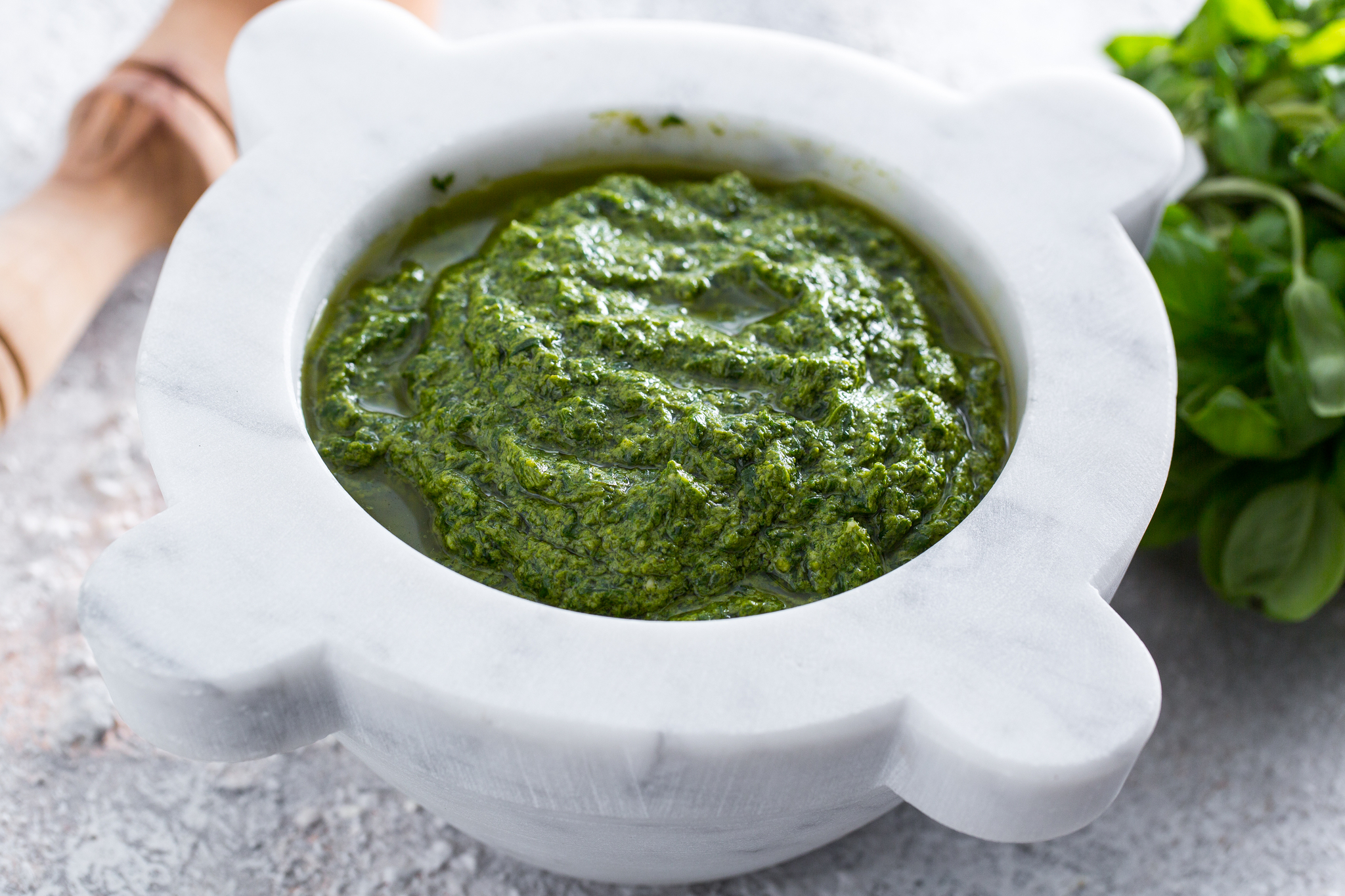
Basil added to a hot pan turns black, bitter, and loses everything that makes it worth using. The Italian rule is absolute: basil goes in at the very end, off the heat, or directly onto the finished dish. The same logic applies to pesto — which is never heated, ever. The basil, pine nuts, Pecorino, Parmigiano, garlic, and olive oil are blended cold and spooned over warm pasta, where the heat of the dish is enough. Cooking pesto destroys it. The color goes, the fragrance goes, and what remains is a dull green paste that tastes of nothing.
Discover Genoese Pesto
The moment you add grated cheese to a hot pan, you risk losing everything — the proteins seize, the fat separates, and instead of a silky sauce you get a clumped, greasy mess. The Italian technique is to turn off the heat completely, add the cheese gradually, and stir constantly while adding pasta water a little at a time. The residual heat of the pan and the pasta is enough. Cacio e pepe is the most demanding version of this — Pecorino Romano, pasta water, black pepper, no shortcuts — and the one that teaches the lesson most clearly. Get it right once and you will never overcook a cheese sauce again.
Discover Spaghetti Cacio e Pepe
Italian cooking has a reputation for simplicity that is sometimes mistaken for ease. The simplicity is real — a handful of ingredients, a pan, twenty minutes. But behind it are habits built over generations, passed down in kitchens where nobody wrote anything down because nobody needed to. These five techniques are part of that inheritance. Once they are in your hands, every sauce you make will be better for it.
Related: Italian Pasta Hacks That Actually Work / Italian Vegetable Hacks That Actually Work / Italian Fish Hacks That Actually Work