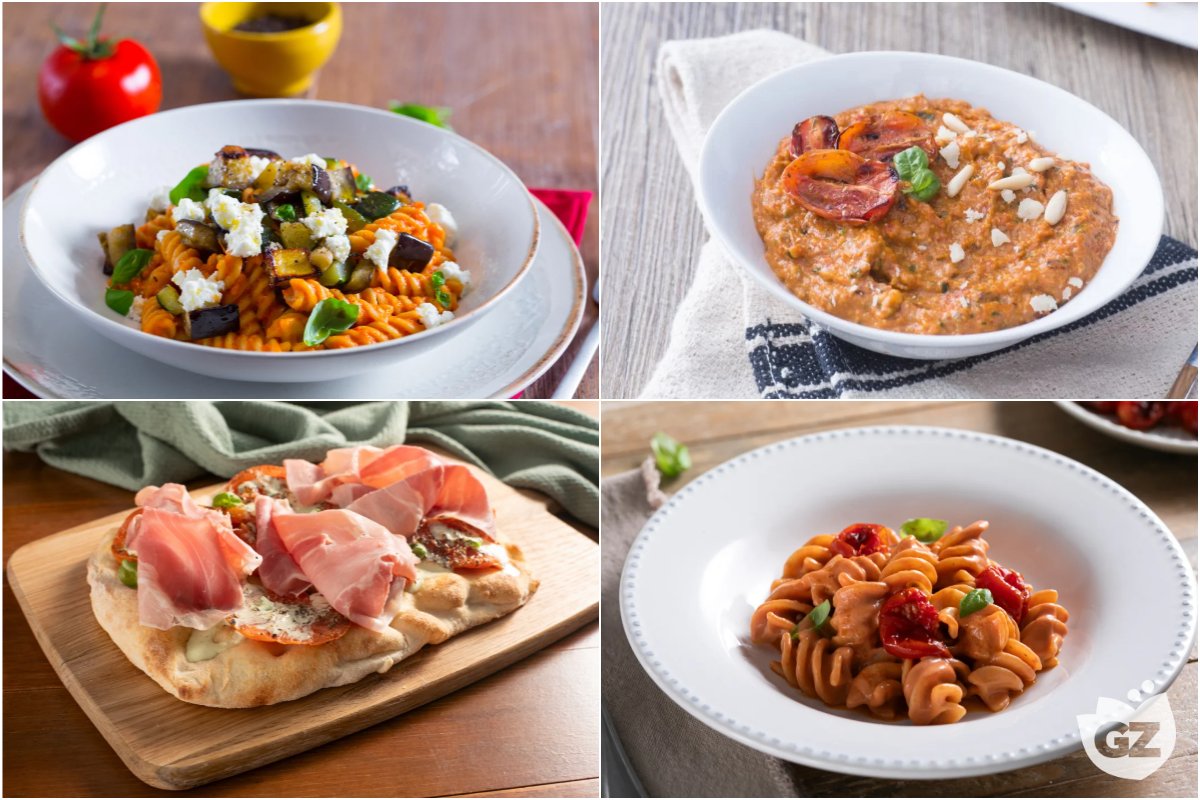
Roasted Tomatoes Change Everything They Touch
What actually happens to a tomato in a hot oven? These five Italian recipes, from a five-ingredient pesto to a Caprese turned soup,…
Bottarga is the ingredient most people have heard of but never tasted. These five recipes are the best place to start.
Most people who have heard of bottarga have never tasted it. Most people who have tasted it cannot stop thinking about it. It is mullet roe — the egg sac of the grey mullet, salted, pressed, and dried until it becomes a dense amber block that grates like aged cheese and tastes like the concentrated essence of the sea. It comes from Sardinia and Sicily, where it has been produced for centuries using techniques that have barely changed.
You use it the way you use a great aged cheese: grated over pasta at the last moment, shaved over a finished dish, never cooked beyond a brief warm. Heat dulls it. Cold keeps it. A little goes further than you expect.
Bottarga is sold in two forms: as a whole piece, which you grate yourself directly over the dish for the freshest flavor, or pre-grated in jars or packets, which is more convenient but loses some intensity over time. In the US, you can find it at Italian specialty stores, well-stocked fishmongers, or online. It is not cheap, but a small piece goes a long way — a single block can last several weeks in the refrigerator wrapped tightly in foil.
These five dishes show what it can do.
The classic — spaghetti alle vongole taken one step further. Clams opened in white wine and garlic, the cooking liquid kept and reduced, the linguine finished in the pan with everything together. Then the bottarga goes in at the end, grated over the pasta, where it melts slightly into the sauce and adds a layer of intensity that the clams alone cannot give. It is one of those combinations where two already excellent things make each other better.
Discover Linguine with Clams and Bottarga
The Sardinian way — and the simplest introduction to bottarga as a protagonist. Shallot and lemon peel infused in olive oil, the pasta finished in the pan with cooking water, and then the bottarga grated generously over everything at the last moment. The breadcrumbs, toasted golden in olive oil, add crunch and absorb the bottarga's intensity without diluting it. Three or four ingredients, twenty-five minutes, and a plate that tastes like the Sardinian coast.
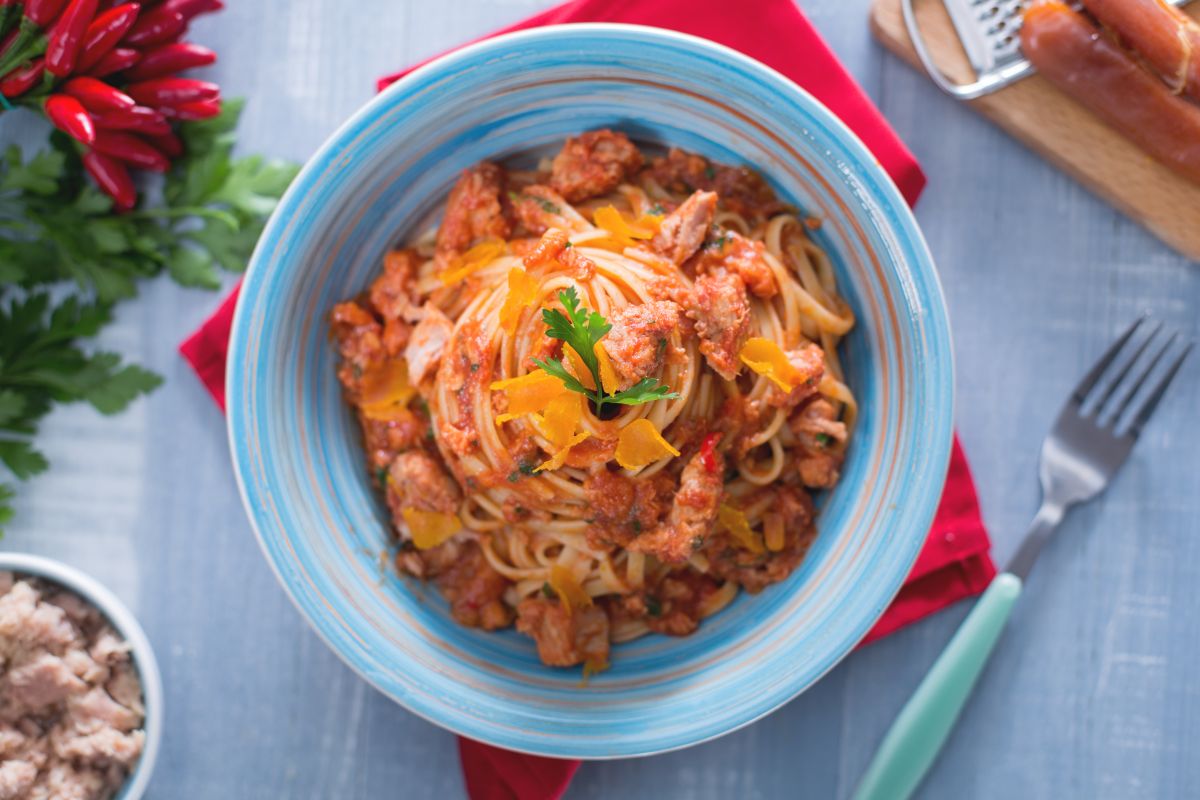
Three preserved fish products — oil-packed tuna, anchovy fillets dissolved into a tomato base, and bottarga grated over the finished pasta — each bringing a different dimension of sea flavor. The anchovies disappear into the sauce and add depth you cannot identify. The tuna gives body. The bottarga arrives last, adding salt and intensity and that particular amber fragrance that ties everything together. It is the pantry pasta of the Italian coast, made with things that keep for months and taste like they were caught that morning.
Spring on a plate — asparagus blended with basil into a vivid green cream, fusilloni tossed through it and served with cold stracciatella and grated bottarga on top. The contrast is the whole dish: the warmth of the pasta and the cream, the cool richness of the cheese, and the salty punch of the bottarga cutting through both. Seasonal, elegant, and completely unexpected for anyone who thinks of bottarga only in combination with pasta and olive oil.
Discover Pasta with Asparagus Cream, Stracciatella and Bottarga
The most ambitious dish on this list — and the most rewarding. Scorpionfish, a Mediterranean rockfish with firm, sweet flesh, roasted whole with cherry tomatoes, garlic, lemon, and rosemary, then pulled from the bone and folded into its own cooking juices. Semolina gnocchi cooked and finished in the pan with the ragù, then finished with a generous grating of bottarga. If you cannot find scorpionfish, red snapper or rockfish are the closest substitutes. The bottarga here is not a garnish — it is the element that pulls the whole dish together.
On pasta, yes — but also grated over scrambled eggs, shaved over a simple salad of fennel and orange, stirred into butter for a piece of grilled fish. It keeps for weeks in the refrigerator wrapped in foil. Buy a piece, use it slowly, and let it change the way you think about the sea on a plate.
Related: Stracciatella: Italy's Creamiest Secret / Nduja: The Spicy Spreadable Salami You Need to Know / Italian Fish Hacks That Actually Work