Roasted Tomatoes Change Everything They Touch
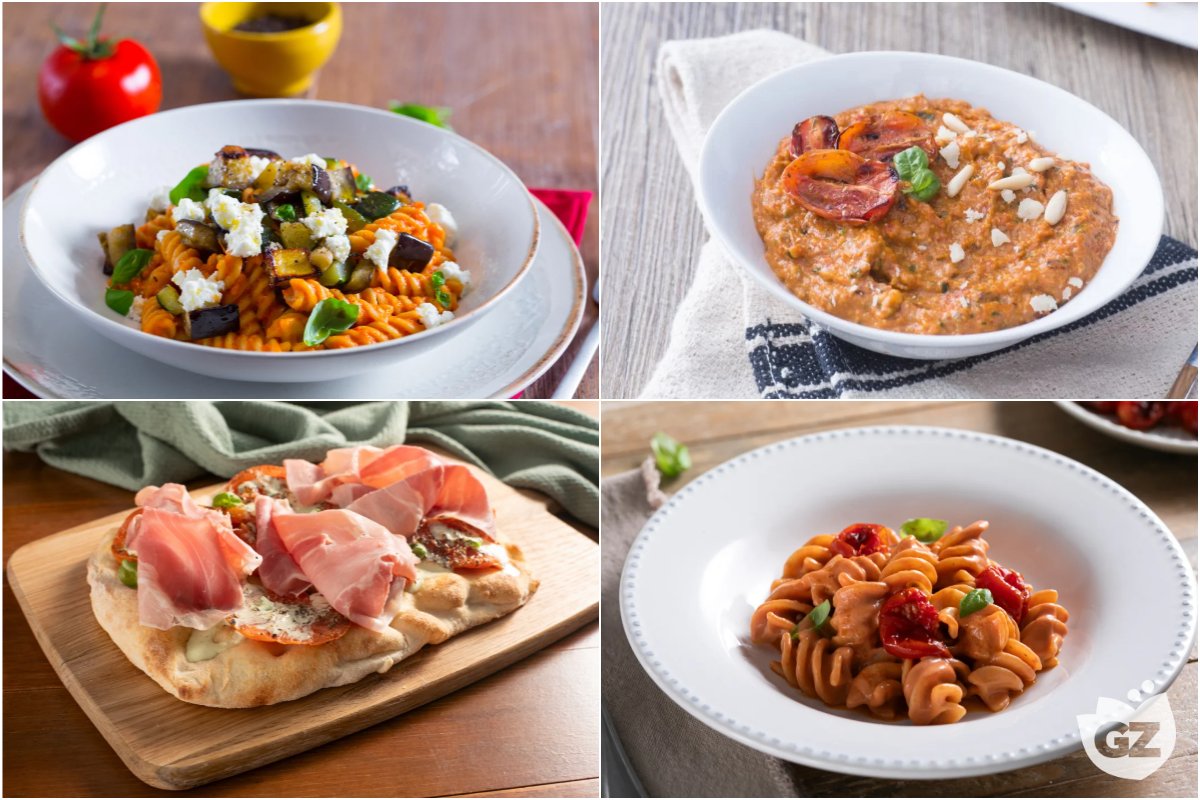
What actually happens to a tomato in a hot oven? These five Italian recipes, from a five-ingredient pesto to a Caprese turned soup,…
Italian vegetable cooking is built on a handful of decisions most recipes never explain. Here are the five that matter most.
Overcooked, underseasoned, soggy — most vegetable problems are not about the vegetable. They are about the decisions made before it hits the pan: the wrong heat, the wrong timing, a pan too small for the job. None of what follows is complicated. These are just a few simple things that Italian home cooks do without thinking — and that make a noticeable difference once you start doing them too.
Blanching green vegetables — beans, peas, broccoli, asparagus — and immediately transferring them to a bowl of ice water stops the cooking instantly and locks in the color. Skip this step and your greens turn army drab within minutes. The ice bath takes thirty seconds and the difference is visible on the plate.
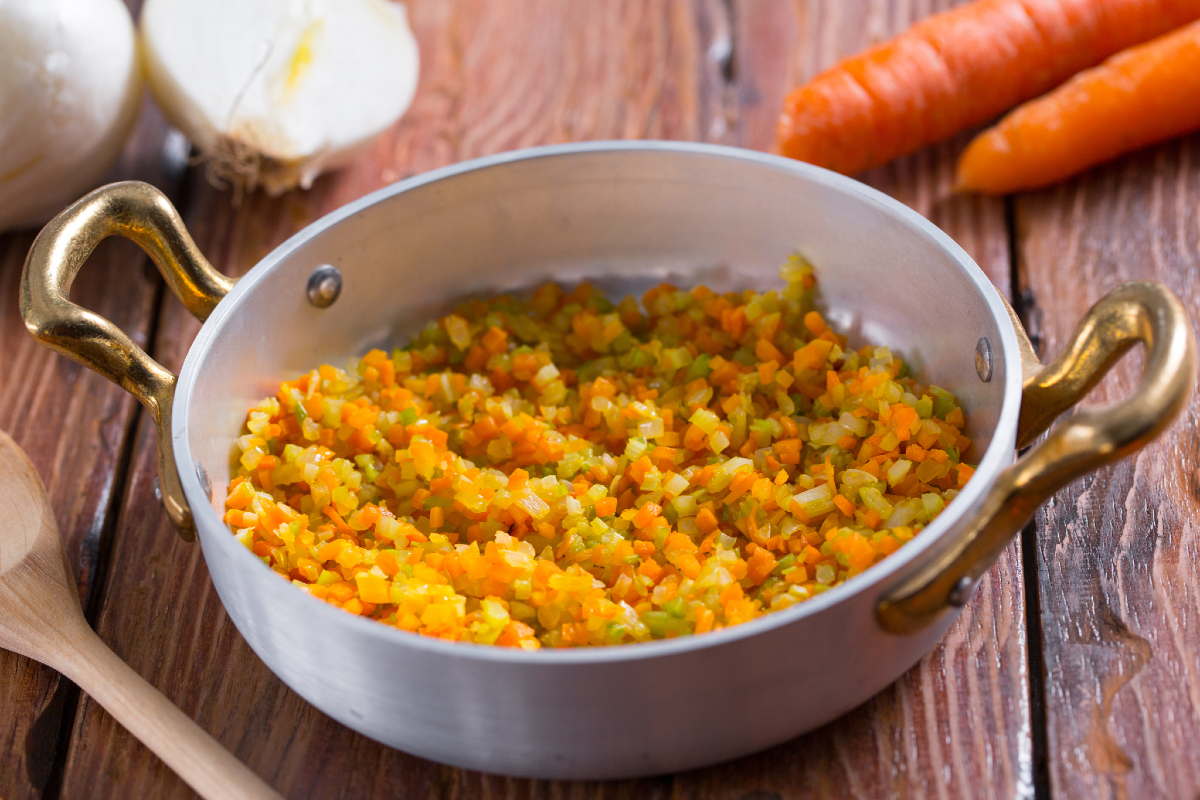
A soffritto of onion, celery, and carrot is the base of half Italian cooking, and the most common mistake is rushing it. The onion needs to become completely translucent — soft, sweet, almost melted — before anything else goes in the pan. That takes at least ten minutes over low heat. Brown it and you've changed the flavor of everything that follows.
Discover how to make a good soffritto
Basil dies in the refrigerator. The cold turns the leaves black within a day. Instead, trim the stems and stand the bunch in a glass of water at room temperature, away from direct sunlight. Treated this way, a bunch of basil lasts a week or more — and the leaves stay fragrant rather than wilting into nothing.
Discover how to make a classic basil pesto
Crowding a pan is the fastest way to ruin a sauté. When vegetables are packed too tightly, the moisture they release has nowhere to go — they steam instead of brown, and you end up with something soft and waterlogged rather than caramelized. Use a wide pan, work in batches if needed, and keep the heat high enough to hear a consistent sizzle.
Salting eggplant before cooking draws out moisture and, in older varieties, bitterness. Modern eggplant has been bred to be less bitter, so salting is no longer always necessary — but it still makes sense when you want a firmer texture that holds up to frying or grilling. If you're roasting or baking, you can skip it. If you're frying, salt first, let it sit for thirty minutes, then pat dry before the oil.
Discover how to cook eggplant perfectly
The best thing about cooking vegetables the Italian way is that none of it requires special ingredients or equipment. A wide pan, ice water in a bowl, a bunch of basil standing in a glass on the counter — these are not tricks. They are the logical result of paying attention to what each vegetable actually needs. Learn these five things and you will find that Italian cooking is not about complexity. It is about knowing exactly what to do, and doing it without hesitation.
Related: Italian Pasta Hacks That Actually Work / The Mediterranean Pantry: What to Buy in May and June / The Italian Way to Eat Well Without Trying Too Hard