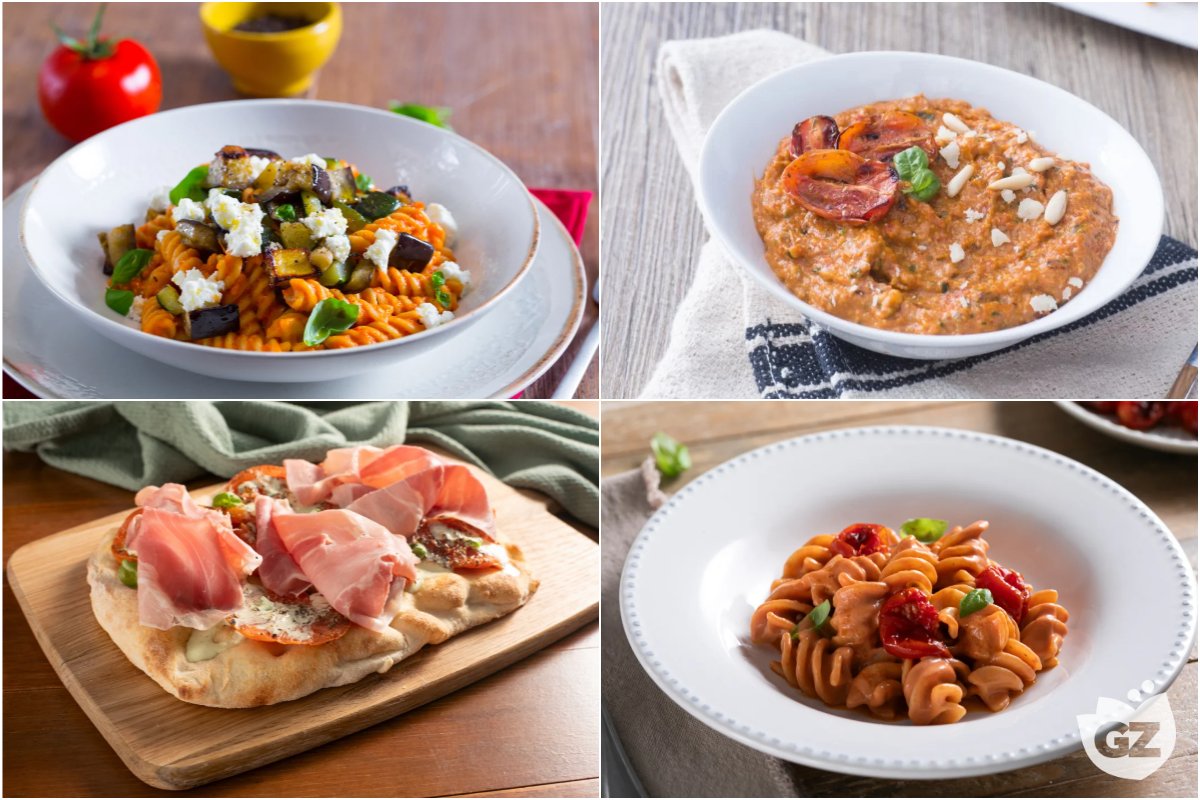
Roasted Tomatoes Change Everything They Touch
What actually happens to a tomato in a hot oven? These five Italian recipes, from a five-ingredient pesto to a Caprese turned soup,…
The aperitivo is one of Italy's most exported ideas — and one of the hardest to get right outside of Italy. Here is what it actually looks like.

In Italy, the hour before dinner is not dead time. It is its own institution — a ritual with specific drinks, specific food, and an unspoken set of rules that Italians follow without thinking about them. The aperitivo is not a cocktail party. It is not happy hour. It is something that does not translate well into other languages, which is probably why it has traveled the world largely misunderstood.
Here is what it actually looks like, and how to recreate it at home.
The Spritz is where the aperitivo begins. Aperol or Campari, Prosecco, a splash of soda water, a slice of orange, ice — served in a wide wine glass, never a tumbler. The Spritz was born in northeastern Italy, in the Veneto region, and it has spread everywhere without losing its identity. It is bitter, it is light, it is designed to open the appetite rather than satisfy it. One glass is aperitivo. Two glasses is something else entirely.
Discover Spritz Cocktail
The tramezzino is Italy's answer to the finger sandwich — soft, crustless white bread, cut into triangles, filled with combinations like tuna and olive, ham and cheese, or smoked salmon and egg. You find them stacked in glass cases at every café in Venice and Turin, eaten standing at the bar with a glass of wine. They are light enough to eat three without noticing, which is exactly the point. The bread stays soft because it is pressed and refrigerated before serving — do not skip this step.
Discover Tramezzini
The bruschetta Americans know — bread piled high with chopped tomatoes — is a reasonable approximation of the real thing, but the details matter. The bread should be grilled until properly charred, rubbed with a raw garlic clove while still hot, and drizzled with good olive oil before anything else goes on top. The tomatoes need time to marinate. This version adds balsamic vinegar and mozzarella ciliegine, which turns a simple snack into something worth slowing down for.
Discover Balsamic Tomato Bruschetta
If you have never had an olive ascolana, the concept requires a moment: a large green olive, pitted, stuffed with a slow-cooked meat mixture of beef, pork, and chicken, breaded twice, and fried until golden. They come from Ascoli Piceno in the Marche region, and they are one of the great achievements of Italian street food. The process is laborious — the spiral-cutting of the olives alone requires patience — but the result is unlike anything else on the aperitivo table.
Discover Olive Ascolane
Tuscan crostini are the dish that divides the table — people who have never tried chicken liver pâté approach them with suspicion and leave converted. The livers are cooked with sage, rosemary, and vin santo, then chopped with anchovies, capers, mustard, and butter into a rough, intensely savory spread. Served on toasted bread with a drizzle of olive oil, they are one of the oldest and most honest things on any Tuscan table. This version adds anchovy sauce and mustard — both cut through the richness of the liver in the best possible way.
Discover Tuscan Crostini with Liver Pâté
These are the lightest thing on the table and the first to disappear. Thin zucchini slices, grilled until just tender, spread with robiola cheese seasoned with chives, wrapped around a slice of prosciutto crudo. No cooking beyond the grill, no complicated technique — just fresh ingredients assembled with care. Robiola is a mild, creamy fresh cheese from northern Italy; if you cannot find it, a good fresh goat cheese works almost as well.
The aperitivo table should make you hungry, not full. A drink, five or six bites, good company — that is the format. The food is there to slow down the drinking, and the drinking is there to make the food taste better. It is one of the more civilized arrangements Italy has contributed to the world.
Related: Planning a Trip to Italy? Eat Where the Locals Do / How Italians Picnic / 5 Italian Recipes That Take 10 Minutes to Prepare