Roasted Tomatoes Change Everything They Touch
What actually happens to a tomato in a hot oven? These five Italian recipes, from a five-ingredient pesto to a Caprese turned soup,…
These five pasta techniques come from Italian home kitchens. None of them are complicated. All of them make a difference — every single time.
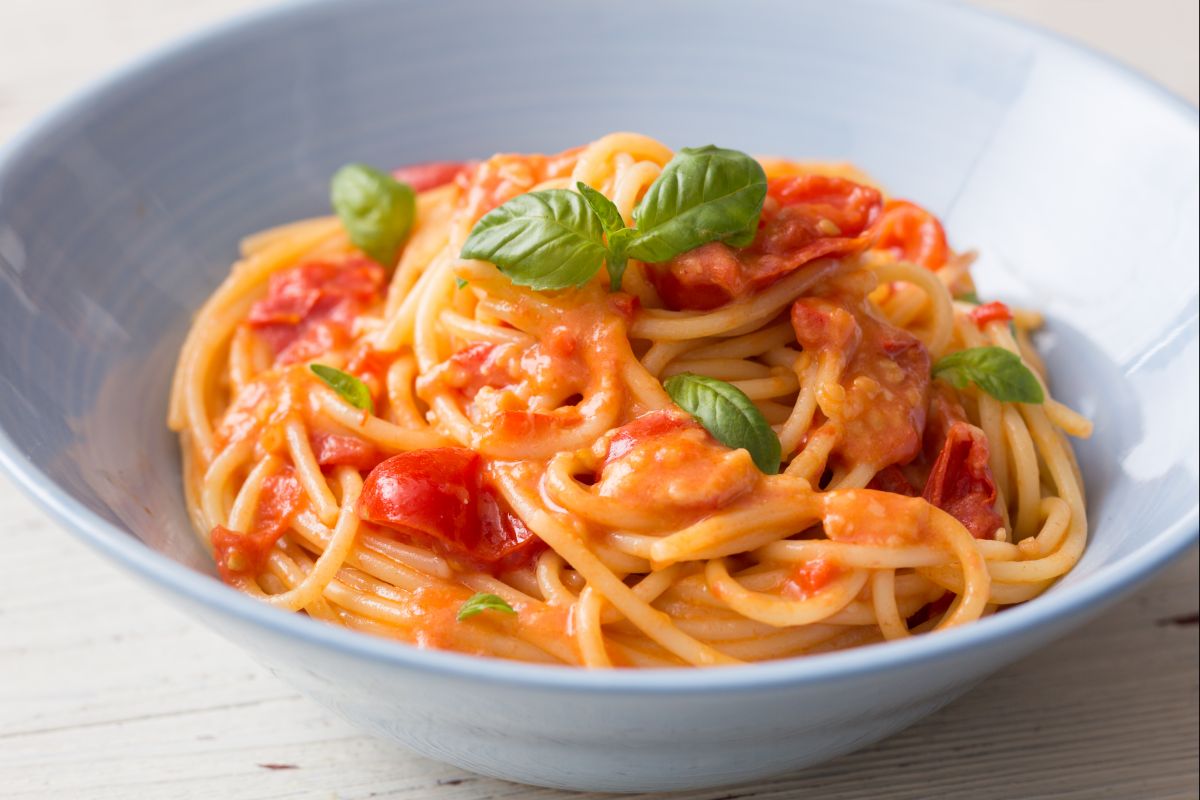
Most pasta mistakes happen before the sauce even goes on. They happen at the pot, at the colander, at the pan — small decisions that seem insignificant and make the difference between pasta that tastes like a restaurant and pasta that tastes like it's missing something. These five techniques come from Italian home kitchens, where they are not considered hacks at all. They are just how pasta is cooked.
1. Salt the water more than you think
Pasta cooking water should taste like the sea — not aggressively salty, but noticeably so. A large pot of water needs at least one tablespoon of coarse salt, added only after the water has reached a full boil. Salt added before boiling takes longer to dissolve and can pit the bottom of the pot. Salt added after the pasta goes in doesn't have time to penetrate the dough. The window is the moment the water boils — and the amount is almost always more than feels comfortable to an American cook.
2. Save the pasta water before you drain
Before you touch the colander, fill a cup or ladle with the pasta cooking water and set it aside. This starchy, salted water is what Italian cooks use to finish the sauce — added a little at a time to loosen it, emulsify it, and help it cling to every piece of pasta. It is the difference between a sauce that sits on top of the pasta and a sauce that coats it. No cream needed. No extra butter. Just the water the pasta cooked in.
3. Finish the pasta in the pan, not on the plate
Drain the pasta one to two minutes before it reaches the cooking time on the package — it should be slightly underdone. Transfer it directly to the pan where the sauce is waiting, add a splash of pasta water, and toss everything together over medium heat for the remaining minute or two. The pasta finishes cooking in the sauce, absorbs its flavor, and releases starch that thickens everything into a cohesive dish. This is called risottare la pasta in Italian — and it is the single most important technique separating Italian pasta from everywhere else.
4. Cook it al dente — for a reason
Al dente is not a preference. It is a structural decision. Pasta cooked all the way through becomes soft and loses its ability to absorb sauce in the pan — it has already absorbed all the water it can take. Pasta pulled slightly early still has room to finish in the sauce, which means it absorbs flavor instead of just sitting next to it. The bite test is the only reliable method: cut a piece in half and look for a thin white line at the center. That line disappearing is your cue to drain.
5. Never rinse the pasta — with one exception
Rinsing cooked pasta under water removes the surface starch that helps sauce cling — the same starch you just saved in a cup from the cooking water. For hot pasta dishes, never rinse. The one exception is cold pasta: if you are making a pasta salad, a quick rinse under cold water stops the cooking immediately and prevents the pieces from sticking together as they cool. In every other case, drain and use immediately.
None of this is complicated — but that is exactly the point. Good ingredients matter, of course. But the difference between a decent plate of pasta and a really good one usually comes down to these five things: small decisions, made consistently, that Italian home cooks have been getting right for generations.
Related: The Italian Guide to Carbonara / Bolognese Is Just the Beginning: The Italian Ragùs You've Never Tried / Italian Vegetable Hacks That Actually Work.