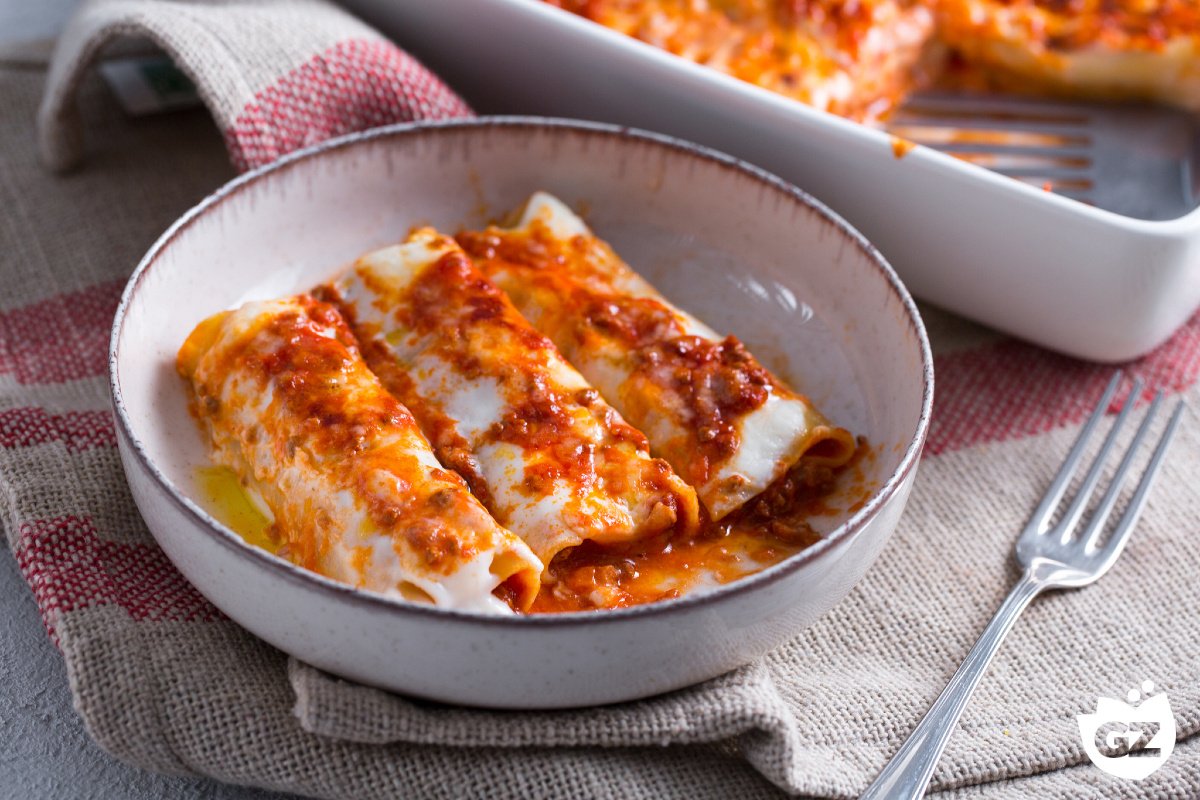
Stuffed Cannelloni for Sunday Lunch: Spinach and Ricotta Plus 3 Variations
What goes inside a cannellone on Sunday? These four Italian recipes, from spinach and ricotta to a carbonara twist, show how many…
In Italy, ragù is not one dish — it's an entire category. Here are 6 versions worth knowing, from the classic Bolognese to wild boar, rabbit, and a lentil ragù that converts everyone.
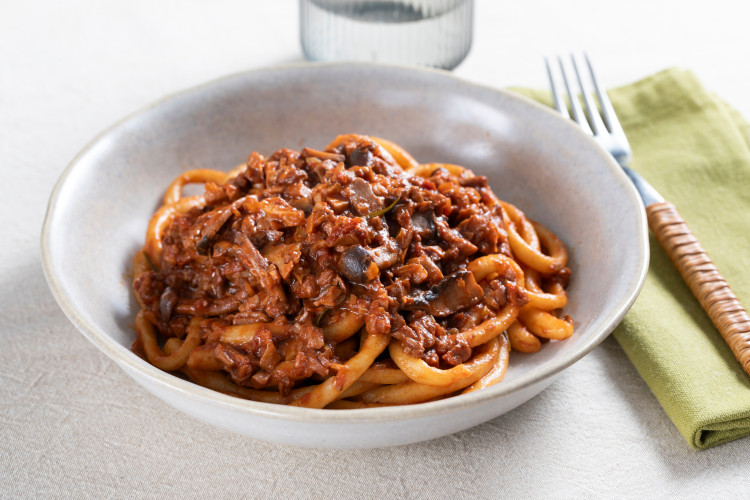
Most Americans have a ragù story. It usually involves a jar of tomato sauce, ground beef, and spaghetti. Maybe, if things went well, a proper Bolognese — slow-cooked, rich, with a glass of wine in the pan.
That's a great start. But in Italy, ragù is not one dish. It's an entire category — and every region, every season, and every family has its own version.
Here are six worth knowing.
In Italian cooking, ragù simply means a meat sauce cooked low and slow until it becomes something deeply savory and complex. The technique is the same everywhere. The ingredients change everything.
The one that started it all — for most of the world, anyway. Beef, pork, soffritto, white wine, and a splash of whole milk that rounds out the acidity and gives the sauce its signature silkiness. Cooked for at least two hours. Served with fresh tagliatelle, never spaghetti.
If you've only had it from a jar, you haven't really had it yet.
Pro tip: The milk is not optional. Add it after the wine has evaporated and let it absorb completely before adding the tomato. It's the step most recipes skip and the reason authentic Bolognese tastes different from everything else.
Ragù alla Bolognese Recipe
If Bolognese is a weeknight sauce, Neapolitan ragù is a Sunday institution. Whole cuts of meat — pork ribs, beef, sausage — are braised for hours in tomato until the sauce turns a deep, burnished red and the meat falls apart completely. In Naples, the pasta and the meat are served as two separate courses from the same pot.
It takes time. It rewards patience like almost nothing else in Italian cooking.
Pro tip: The longer it cooks, the better it gets. Four hours is the minimum in most Neapolitan kitchens. Some families cook it for six. Don't rush it.
Neapolitan Ragù Recipe
Lighter than beef, more flavorful than chicken, and completely underrated. Turkey ragù is the weeknight version of Bolognese — same technique, same aromatics, fraction of the fat. It works beautifully with any pasta and is the easiest way to get ragù on the table without spending a Sunday afternoon in the kitchen.
Pro tip: Use ground turkey thigh, not breast — the higher fat content keeps the sauce moist and gives it the depth you'd otherwise only get from beef.
Turkey Ragù Recipe
Rabbit has been a staple of Italian country cooking for centuries — and it makes one of the most elegant ragùs you'll ever taste. The meat is lean, delicate, and absorbs the flavors of white wine, rosemary, and garlic in a way that feels genuinely different from anything in the beef or pork family.
If you've never cooked rabbit, this is the recipe to start with.
Pro tip: Ask your butcher to cut the rabbit into pieces for you. Brown them well before braising — that's where the flavor develops.
Rabbit Ragù Recipe
This is the ragù of Tuscany — dark, gamey, intensely savory, and built for cold weather and wide pasta like pappardelle. Wild boar has a depth that domestic pork simply can't match, and slow-braising with red wine and juniper berries turns it into something that tastes like it came from a hilltop restaurant in Siena.
Pro tip: If wild boar is hard to find, ask a specialty butcher or look online. Some grocery stores carry it frozen. It's worth the extra effort — nothing else quite replicates the flavor.
Wild Boar Ragù Recipe
The surprise on this list — and the one that converts the most skeptics. Lentils cooked low and slow with soffritto, tomato, and herbs develop a meaty, umami-rich depth that genuinely rivals the real thing. It's the ragù for anyone at your table who doesn't eat meat — and it's good enough that everyone else will want it too.
Pro tip: Use brown or green lentils, not red — they hold their shape better during cooking and give the sauce more texture. A Parmigiano rind dropped into the pot while it simmers adds extraordinary depth.
Lentil Ragù Recipe
Low heat, good ingredients, time. That's all any of these need. Start with the Bolognese if you haven't made it from scratch yet. Then work your way through the rest — because once you've had Neapolitan ragù on a Sunday afternoon, the jar version stops being an option.
Looking for more Italian pasta sauces? Explore all our pasta recipes