Roasted Tomatoes Change Everything They Touch
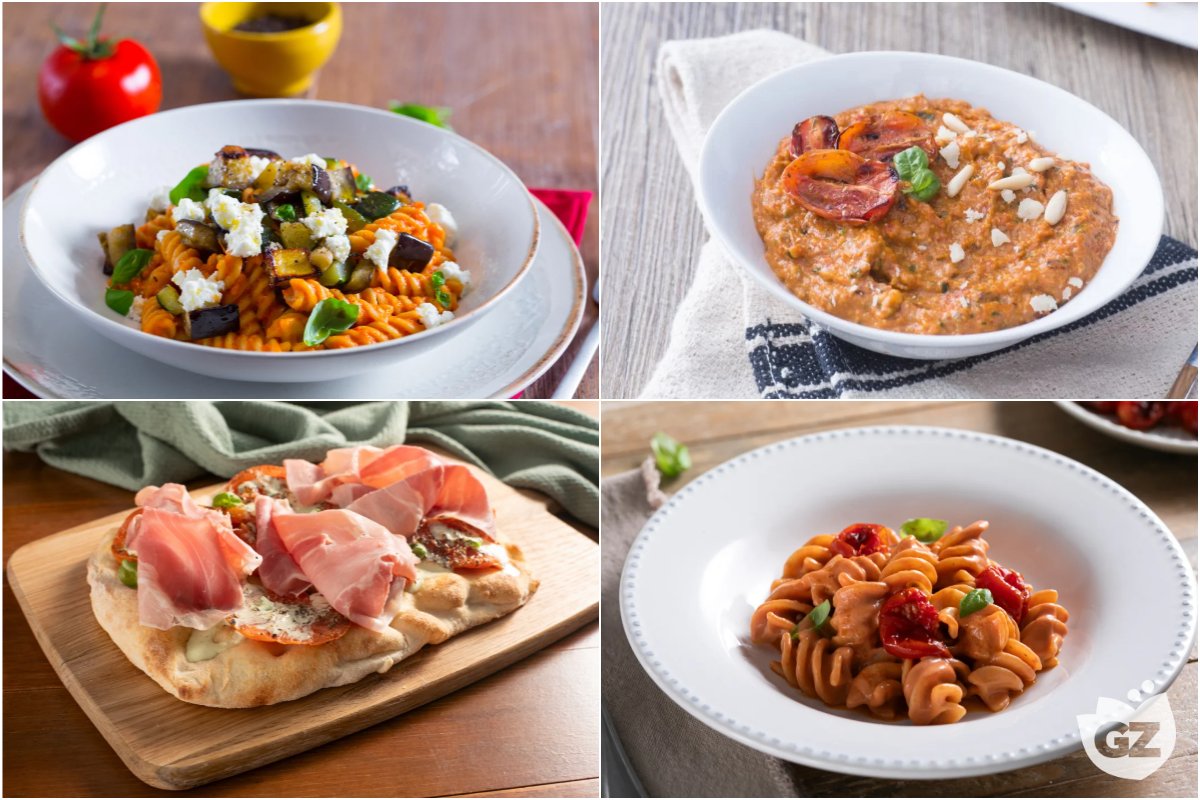
What actually happens to a tomato in a hot oven? These five Italian recipes, from a five-ingredient pesto to a Caprese turned soup,…
The best meal in Italy rarely happens at a restaurant with an English menu. Here is what to eat — and where to look — in six Italian cities.
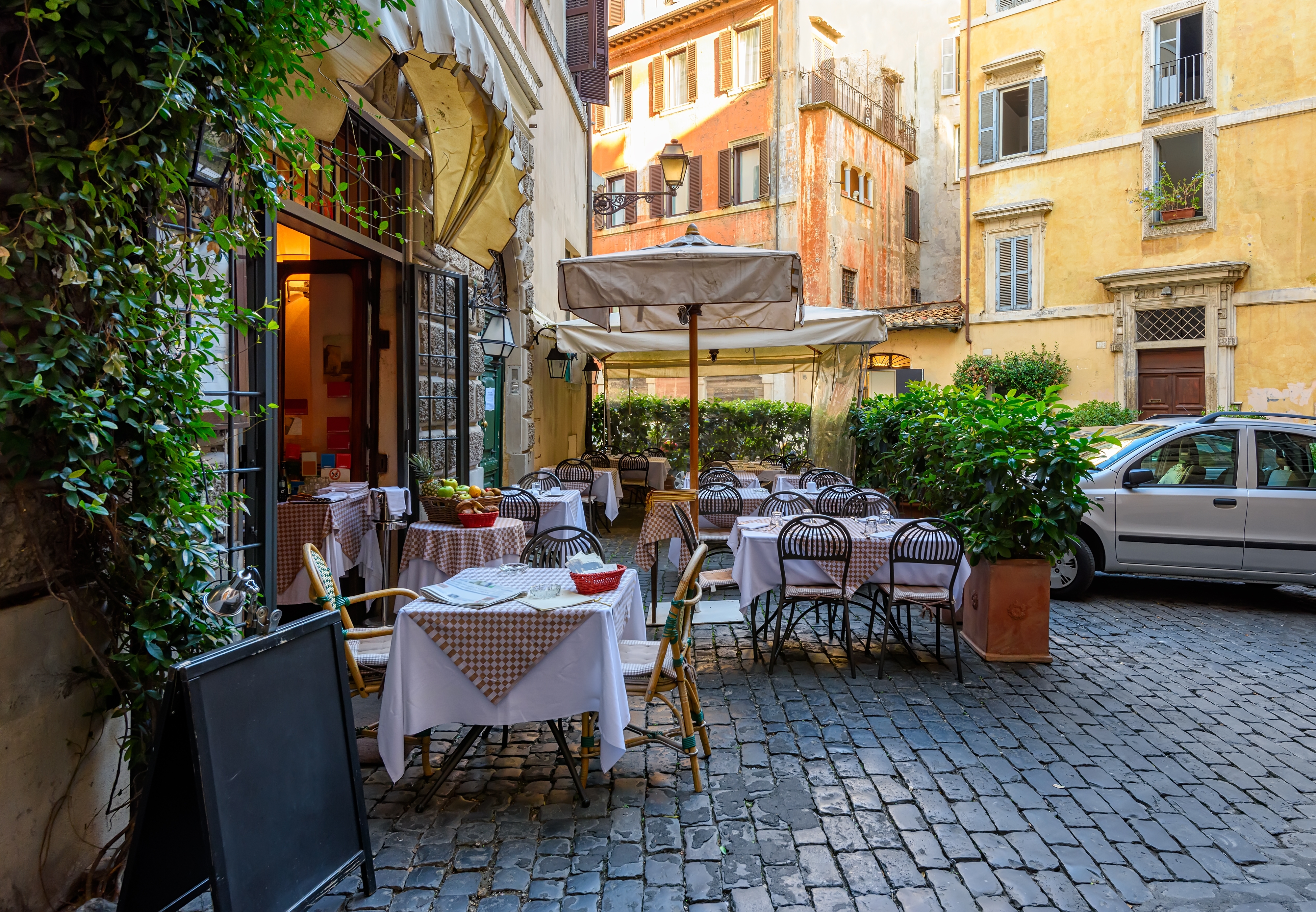
There is a version of eating in Italy that most tourists experience — the restaurant with the laminated menu near the Colosseum, the pizza by the slice that has been sitting under a heat lamp since noon, the pasta that costs twice what it should and tastes like half of what it could. And then there is the other version: a trattoria with no sign outside, a handwritten menu, a table of locals arguing about football at the next seat over, and a plate of something simple that you will spend years trying to recreate at home.
The difference between the two is rarely luck. It is knowing what to look for — and where.
Roman food is not subtle. It is built on a handful of ingredients — guanciale, pecorino, offal, artichokes, olive oil — used with absolute confidence and no apology. The four pastas that define the cuisine are carbonara, cacio e pepe, amatriciana, and gricia.
Order any of them in a serious trattoria and you will understand immediately why Romans are not interested in variations. Avoid any restaurant that lists all four on a tourist menu alongside tiramisu and a "house special" — the real places usually do two or three things and do them very well. Look for trattorias in Testaccio, Pigneto, or Prati — neighborhoods where the clientele is local and the menu changes with what arrived at the market that morning.
Naples is where pizza was invented, and Neapolitans have never forgotten it. A real Neapolitan pizza has a thick, charred, chewy crust — the cornicione — a thin center that is almost wet with San Marzano tomato and fior di latte, and a cooking time of ninety seconds in a wood-fired oven at 900°F. If the crust is thin and crispy all the way through, you are not eating Neapolitan pizza.
Beyond pizza, Naples is the city of fried food — cuoppo of mixed fried seafood and vegetables, pizza fritta, zeppole. Eat standing up at a friggitoria in the Quartieri Spagnoli. Order a sfogliatella at 7am. Skip any restaurant that puts a photo of the food on the menu.
Florence eats beef. The bistecca alla Fiorentina — a T-bone from Chianina cattle, grilled over wood, served rare and unsauced — is the dish that defines the city's relationship with food: expensive, uncompromising, and completely worth it. Order it by weight, never ask for it well done, and eat it with nothing more than a drizzle of olive oil and a pinch of salt.
Beyond the bistecca, Florentine food is peasant food elevated — ribollita, pappa al pomodoro, lampredotto sandwiches from the street carts near the Mercato Centrale. The best meals in Florence are often the cheapest: a schiacciata sandwich, a bowl of soup, a glass of Chianti at a wine bar in the Oltrarno.
Bologna is called La Grassa — the Fat One — and it has earned the name. This is the city of tagliatelle al ragù, tortellini in brodo, lasagna verde, mortadella, and Parmigiano Reggiano. The ragù here bears no resemblance to what most of the world calls Bolognese — it is slow-cooked, meaty, barely tomato, and served on egg pasta rolled thin enough to see your hand through.
Order it at a tortelleria or an old-school trattoria in the university quarter. The covered markets — the Quadrilatero — are where locals shop and where you should eat lunch: standing at a counter with a glass of Lambrusco and a plate of affettati misti. Bologna rewards slowness. Take your time.
Venice has its own food culture that most tourists never find because they never leave the area around San Marco. The Venetian equivalent of tapas is the cicchetto — small portions of bread topped with baccalà mantecato, sardines in saor, boiled eggs with anchovies, or whatever the bar has that day — eaten standing at a bacaro with a small glass of local wine called an ombra, or a Spritz, or a Bellini.
The bacaro crawl is the best way to eat in Venice: move from bar to bar through the sestieri of Cannaregio or Dorsoduro, eat whatever looks freshest, drink local. Sit-down restaurants in Venice are expensive and often disappointing. The bacari are where the city actually eats.
Milan is Italy's most international city, and its food reflects that — there is excellent food from every region of Italy and much of the world. But the Milanese dishes worth seeking out are specific: risotto alla Milanese, made with bone marrow and saffron and stirred for eighteen minutes without interruption; cotoletta alla Milanese, a bone-in veal chop pounded thin and fried in butter until golden; ossobuco, braised veal shank served with gremolata and saffron risotto.
These are dishes that take time and skill, which means the restaurants that do them well are usually not the ones with tables outside on the Navigli. Look for old-school ristoranti in the Brera or Porta Romana neighborhoods, the kind that have been there for forty years and still write the menu by hand.
Six cities, six completely different ways of eating — and none of them work the same way. Roman food is not Neapolitan food. Bolognese ragù is not what most of the world calls Bolognese. The best meal you will have in Italy will probably happen in a place that does not advertise, does not have an English menu, and does not need either. Learning to recognize those places — by neighborhood, by clientele, by the length of the menu — is half the work. The other half is showing up hungry. Trust the locals. They have been eating here their whole lives.
For a data-driven guide to the best restaurants across Italy — cross-referenced from Michelin, Gambero Rosso, 50 Top Italy, and twelve other authoritative sources — visit ristoranti.giallozafferano.it (currently in Italian).
Related: This Is How Italians Shop at the Farmers Market / The Mediterranean Pantry: What to Buy in May and June / The Italian Way to Eat Well Without Trying Too Hard