Roasted Tomatoes Change Everything They Touch
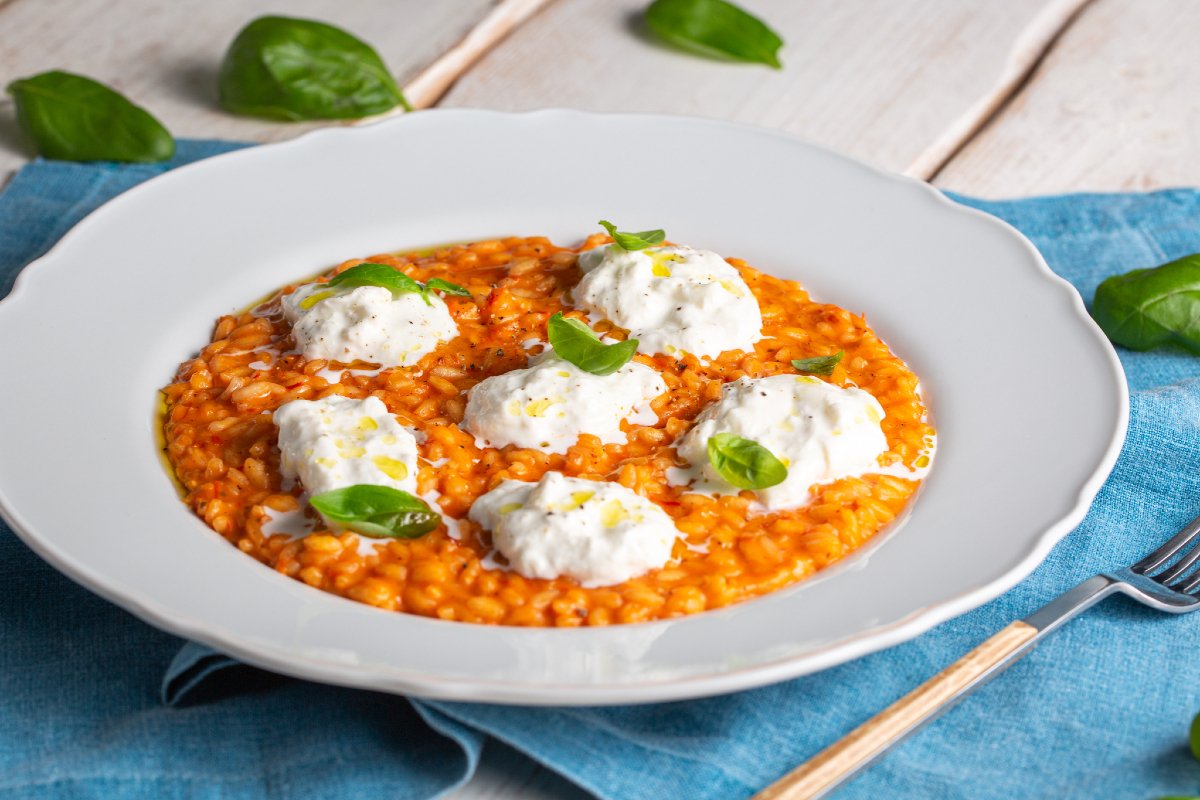
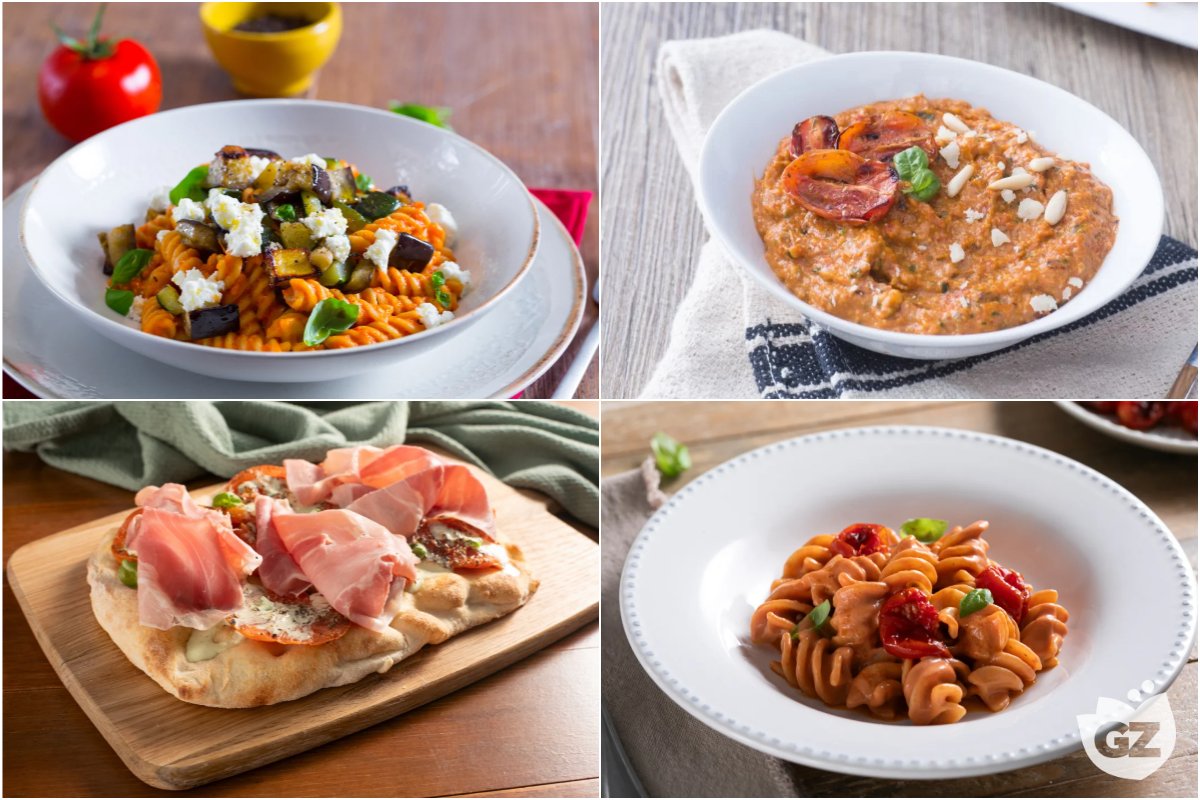
What actually happens to a tomato in a hot oven? These five Italian recipes, from a five-ingredient pesto to a Caprese turned soup,…
A stocked pantry and the best of the season. This is the Mediterranean approach to eating well — and May and June are the best time to start.
There is a reason Mediterranean cooking looks effortless. It isn't talent or time — it's the pantry. A bottle of good extra virgin olive oil, a can of quality tuna, dried chickpeas, capers in salt, a bunch of dried oregano. With these things already at home, dinner is never more than twenty minutes away. Add what May and June put at the market — zucchini, eggplant, tomatoes, sardines, squid — and you have everything you need to cook well all week without planning too far ahead.
It is also, almost by accident, one of the most balanced ways to eat. Vegetables and legumes at the center, fish more than meat, olive oil instead of butter, fresh fruit as dessert. No rules, no restrictions — just an instinct for what grows nearby and tastes good together. The UNESCO recognition it received in 2010 wasn't for a single recipe but for an entire way of eating and living.
This is the Mediterranean approach: a stocked pantry plus the best of the season. Here is what both looks like right now.
Extra virgin olive oil The foundation of everything — for sautéing, dressing, finishing, and preserving. Quality matters more here than anywhere else in the kitchen. A good bottle should smell fresh and slightly grassy, with a faint peppery finish. Buy the best you can afford and use it generously. It is not a luxury. It is the point.
Canned tuna in olive oil Not in water — in olive oil, and ideally Italian, packed in glass. The protein that turns a pantry dinner into a real meal. Chickpea and Tuna Salad is the kind of lunch you can put together in ten minutes with nothing but pantry ingredients.
Dried legumes — chickpeas, lentils, cannellini The backbone of the Mediterranean diet. Soak them the night before and they cook in an hour. They absorb whatever you cook them with — olive oil, garlic, herbs, tomato — and keep in the pantry for months. If time is short, good-quality pre-cooked legumes in glass jars are a reasonable substitute.
Peeled tomatoes A can of good San Marzano tomatoes is worth more than a bag of bad fresh ones. Keep at least four cans at all times. They are the base of more Italian dinners than any other single ingredient.
Capers and olives Salt-packed capers have a depth that brine-packed ones don't — rinse them well before using. Taggiasca olives are the ones to look for: small, mild, with a buttery finish. Both add the kind of instant complexity that takes other cuisines much longer to build.
Dried pasta Not all pasta is equal — look for pasta made from durum wheat semolina, bronze-drawn and slow-dried. It holds sauce better and has more flavor. Keep a variety of shapes: spaghetti, rigatoni, a short pasta for salads.
Grains — farro and barley Two of the oldest grains in Italian cooking, both grown in central Italy since Roman times. They cook in thirty minutes, hold up well in salads, and absorb dressings without going soggy. Keep them alongside the pasta.
Basil and dried herbs — oregano, thyme, rosemary Fresh basil belongs in a pot on the windowsill — it is the only herb that really needs to be used fresh. Everything else — oregano, thyme, rosemary — dries well and keeps its flavor for months. Dried oregano from Sicily or Calabria is one of the best pantry ingredients in Italian cooking.
The best of these staples together → Genoese Pesto: basil, olive oil, pine nuts, Parmigiano, Pecorino, garlic. Make it in ten minutes and it keeps in the refrigerator for a week under a layer of oil.
This is when the Mediterranean pantry earns its keep. The market in May and June offers the best vegetables of the year — and a pantry already stocked means each one becomes a meal with minimal effort.
Zucchini The most versatile summer vegetable in Italian cooking — sliced thin and fried, grated into pasta, grilled as a side, blended into soup. The variety to look for is the pale green Romanesco, rounder and sweeter than the standard. The best Italian way to cook it: Spaghetti alla Nerano — pasta, fried zucchini, provolone del Monaco, basil. Four ingredients, one pan, twenty minutes.
Eggplant The other great summer vegetable — and the one that rewards patience most. Salt it, let it drain, and it becomes silky and rich instead of bitter and spongy. The reference recipe for understanding what eggplant can do is Caponata — the Sicilian sweet-and-sour preparation of eggplant, celery, tomato, capers, and olives that uses almost nothing but pantry staples alongside the fresh vegetable.
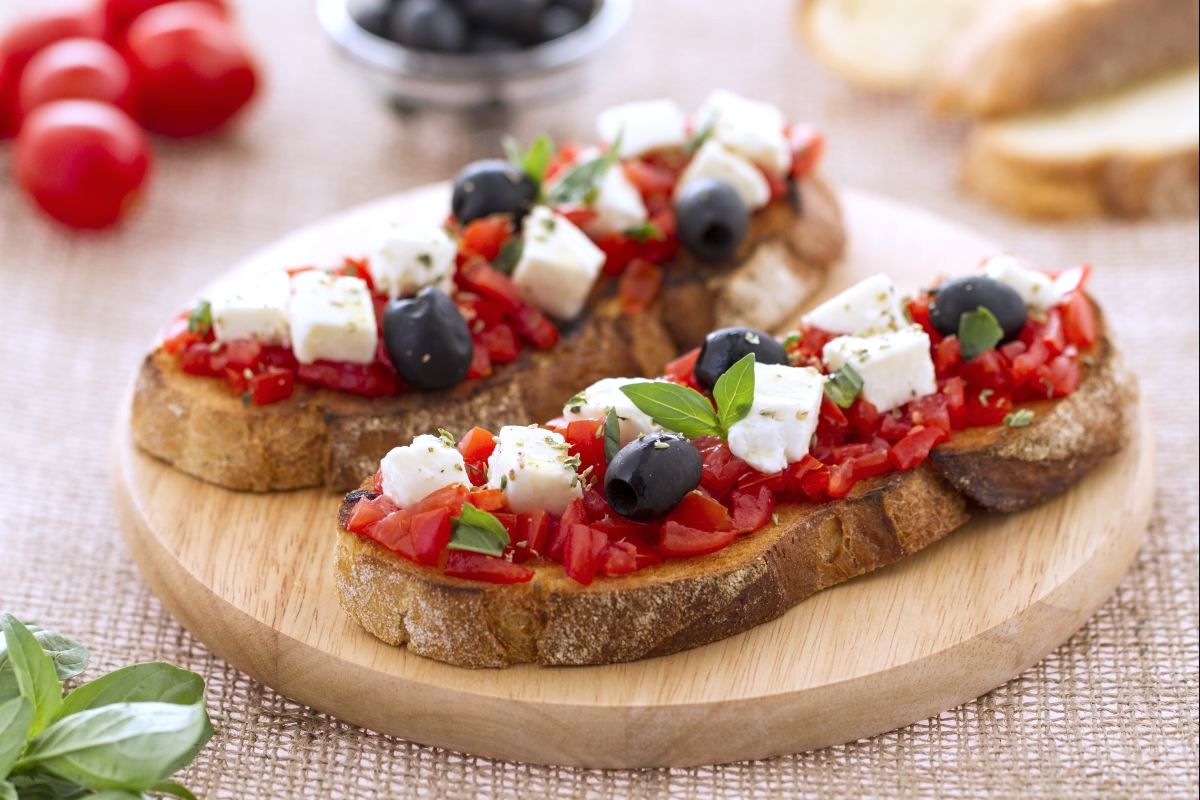
Tomatoes From late May onward, tomatoes are finally worth eating raw. Before that, use the canned ones. The first sign of a good summer tomato is the smell — it should be intensely fragrant before you even cut it. The simplest thing to do with a good tomato is Tomato Bruschetta — grilled bread, raw tomato, olive oil, basil, salt. Nothing else.
Bell peppers, green beans, peas, fava beans May and June bring all four at once. Bell peppers are best grilled or roasted — their sweetness intensifies with heat. Green beans need nothing more than blanching and a drizzle of olive oil. Peas eaten raw from the pod are one of the quiet pleasures of the season. Fava beans should be peeled twice — once from the pod, once from the skin — and dressed with pecorino and olive oil.
Strawberries, cherries, apricots, lemons The fruit of May and June needs almost no intervention. Strawberries are best eaten plain or macerated with a little sugar and lemon juice. Cherries disappear too fast to cook with. Apricots are the ones worth preserving — as jam, roasted in the oven, or baked into a simple cake. Lemons are not seasonal in the way other fruit is, but May and June are when Italian cooking leans hardest on them — in dressings, in pasta, in secondi like Lemon Chicken, which uses nothing but lemon juice, white wine, and olive oil to turn a simple chicken breast into something entirely worth making.
Anchovies and sardines The two most important fish in Italian coastal cooking — and the two most nutritious. Both are at their best in summer, when the water is warm and the fish are fat. Sardines are best grilled whole with a drizzle of olive oil and a squeeze of lemon. Anchovies are the pantry fish — they disappear into sauces, dressings, and pasta without announcing themselves but add a depth that nothing else can replicate. The classic preparation: Pasta with Sardines, the Sicilian recipe with wild fennel, raisins, pine nuts, and saffron.
Squid and clams Two shellfish that are quick to cook and completely ruined by overcooking. Squid needs either very high heat for two minutes or very low heat for forty — anything in between produces rubber. The best summer preparation: Stuffed Squid — filled with breadcrumbs, parsley, garlic, and a little white wine, then cooked in tomato sauce until tender.
A stocked pantry and a trip to the market. That is the Mediterranean method — and May and June make it easier than any other time of year.
Related: This Is How Italians Shop at the Farmers Market / The Italian Way to Eat Well Without Trying Too Hard / Meal Prep the Mediterranean Way