Stovetop Pizza
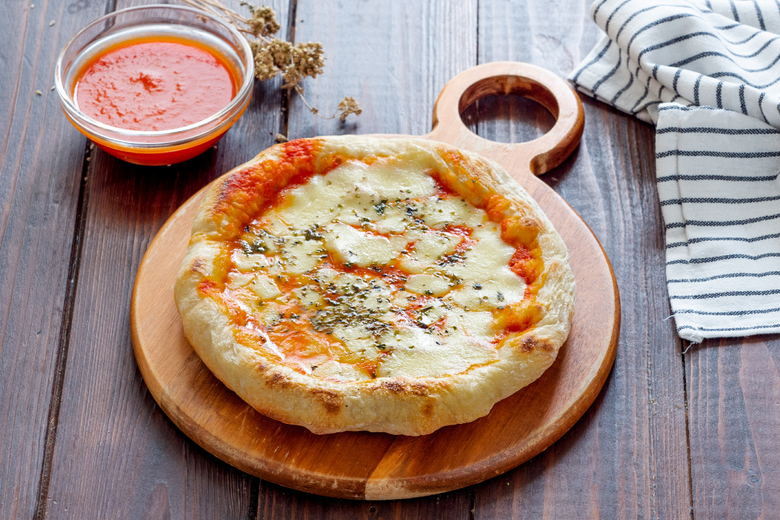
Stovetop pizza is a smart and accessible way to make pizza without an oven. This article explains how to cook pizza in a pan with great results using simple tools and techniques.
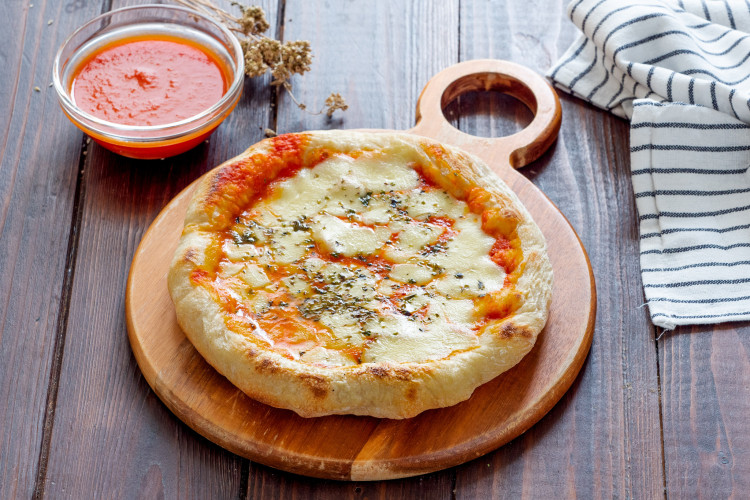
No oven, no pizza? Not exactly.
If there’s one thing Italian home cooking proves over and over again, it’s that great results don’t always depend on professional equipment. Stovetop pizza is a perfect example: a practical, adaptable method that delivers surprisingly authentic results with nothing more than a pan.
And once you understand how it works, it becomes less of a workaround—and more of a technique in its own right.
Stovetop pizza (pizza in padella) is exactly what it sounds like: pizza cooked entirely in a pan, using direct heat from the stovetop.
It’s not baked in the traditional sense.
It’s not meant to replicate a wood-fired oven perfectly.
Instead, it’s defined by:
It’s a method designed for flexibility—without giving up structure or flavor.
The technique is simple, but the logic behind it matters.
This creates a mini “oven effect,” allowing the pizza to cook through without direct top heat.
Stovetop pizza uses a slightly different dough approach.
Compared to oven-baked pizza:
The goal is balance:
Timing is everything here.
Unlike traditional pizza:
This helps avoid:
Keeping toppings light is key.
For many U.S. kitchens, this method solves real limitations.
It’s one of the most accessible ways to make pizza at home—especially in smaller spaces or temporary setups.
Like any method, it requires control.
The most common issues:
Consistency matters more than speed.
A few adjustments make a big difference:
These small details define the final result.
It won’t be identical, but it can still be very good. While you won’t get the same high-heat rise as an oven, you can achieve a crispy base and properly melted toppings with the right technique.
Not necessarily. Most methods cook the pizza on one side first, then add toppings and cover the pan to finish cooking without flipping.
A heavy-bottomed pan, like cast iron or stainless steel, works best because it distributes heat evenly and helps create a crisp base.
Use a lightly oiled pan and make sure it’s properly preheated before adding the dough. This helps create a natural non-stick surface.
Yes, store-bought dough works well for stovetop pizza. Just let it come to room temperature before using it so it stretches easily and cooks evenly.
Stovetop pizza proves something simple but important:
Great pizza isn’t about having the right equipment—it’s about understanding the process.
Once you do, even a basic pan can deliver something surprisingly close to the real thing.
You might also like:
Italian Pizza Dough: The Ultimate Guide to Making It Like in Italy
Neapolitan Pizza: The Original Italian Pizza Explained
Pizza Margherita: Why Simplicity Is the Ultimate Test
Roman Pizza - Cookies: Thin, Crispy, and Completely Different
Pan Pizza (Pizza in Teglia): The Ultimate Home Oven Pizza