Pizza napoletana
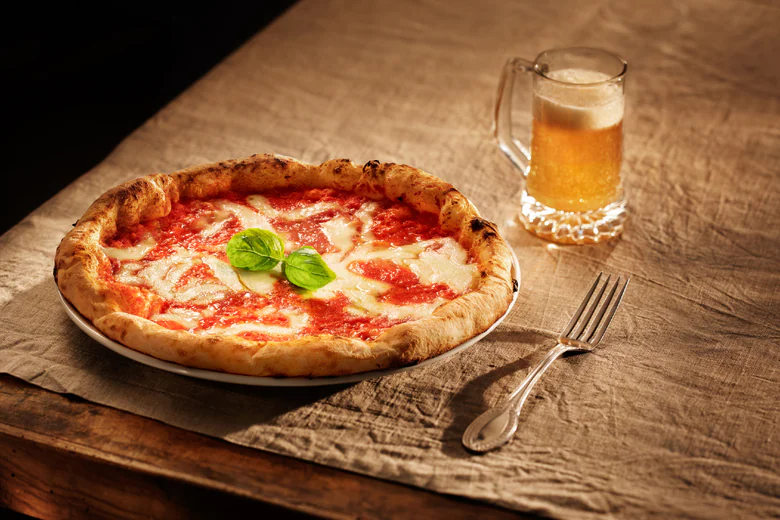
Neapolitan pizza is the most iconic Italian pizza style, known for its soft texture and simple ingredients. This guide explains its origins, techniques, and how to recreate it at home using methods inspired by GialloZafferano.
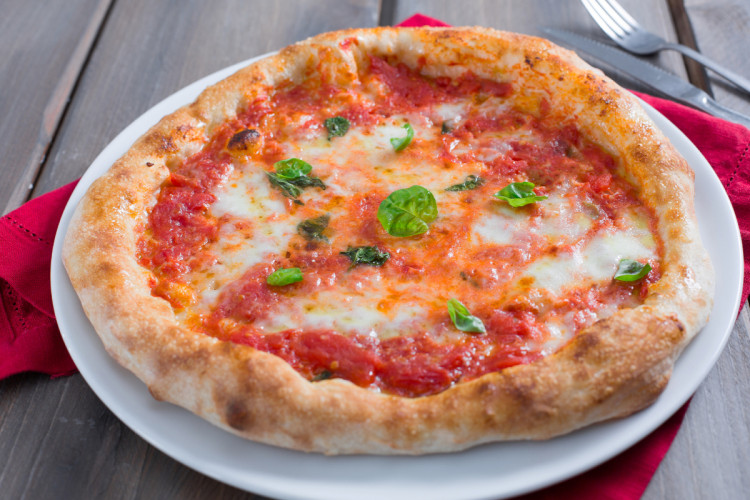
If pizza had a birthplace, it would be Naples.
Neapolitan pizza isn’t just one of many styles—it’s the benchmark. Recognized by UNESCO as part of the world’s intangible cultural heritage, it represents the purest expression of Italian pizza-making.
And yet, it’s also the most misunderstood outside Italy.
Neapolitan pizza (Pizza Napoletana) is defined as much by what it is as by what it isn’t.
It’s not crispy.
It’s not heavily topped.
And it’s definitely not designed to be eaten on the go.
Instead, it’s characterized by:
In Italy, it’s typically eaten with a knife and fork—because the center is intentionally soft and delicate.
The defining feature of Neapolitan pizza is its texture.
The dough is:
This creates a crust that is:
If you’re expecting crunch, you’re looking at the wrong style.
Here, softness is the goal.
(No cheese—yes, really.)
👉 Also explored in Pizza Margherita – GialloZafferano
These two pizzas aren’t just popular—they define the style itself.
What truly sets Neapolitan pizza apart is how it’s baked.
Traditionally:
This combination produces:
It’s not just cooking—it’s transformation at high speed.
You can—but expectations need to be realistic.
Home ovens don’t reach the temperatures of traditional wood-fired ovens, which means:
That said, with the right setup:
you can get surprisingly close.
Neapolitan pizza often clashes with American expectations.
Understanding these differences is key to appreciating the style.
Neapolitan pizza can appear slightly watery because of fresh mozzarella and high hydration dough. This is normal—the center is meant to be soft and moist, not dry or crispy.
A wood-fired oven gives the most authentic result, but it’s not strictly necessary. A home oven with a pizza stone or steel, preheated at maximum temperature, can still produce a very good approximation.
The high heat cooks the pizza in 60–90 seconds, allowing the dough to rise rapidly while keeping the interior soft. Longer baking would dry it out and change its texture.
Traditional Neapolitan pizza uses either fiordilatte or buffalo mozzarella. Fiordilatte is more stable, while buffalo mozzarella is richer but releases more moisture.
It can be lighter than many other pizzas because it uses fewer toppings and less cheese. The dough is also often more digestible due to longer fermentation times.
Neapolitan pizza is about precision, not customization.
It’s built on a few ingredients, handled with care, and cooked in a way that prioritizes texture and balance over everything else.
Once you understand it, you start to see why it remains the reference point for pizza worldwide.
You might also like:
Italian Pizza Dough: The Ultimate Guide to Making It Like in Italy