Pizza Margherita
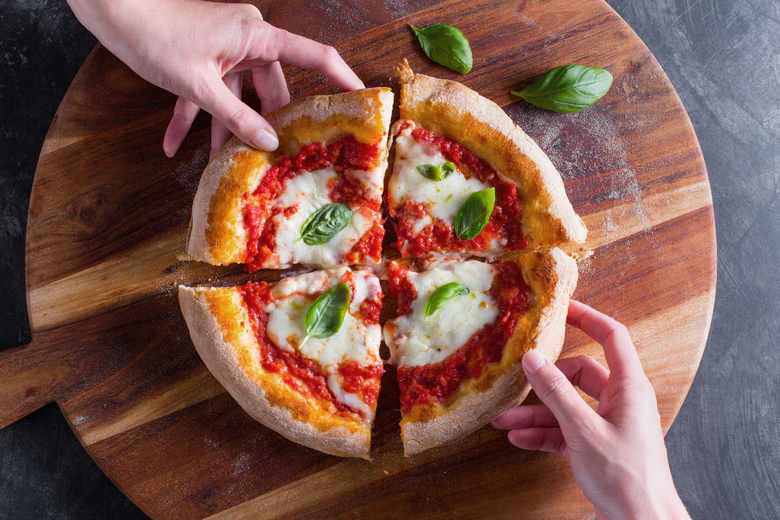
Pizza Margherita is the ultimate test of technique: just a few ingredients, perfectly balanced. This article breaks down how to make it properly, with expert tips and common mistakes to avoid.
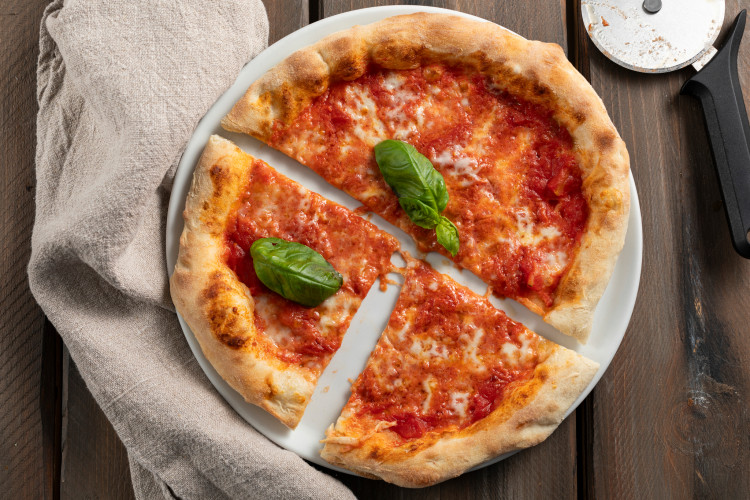
At first glance, Pizza Margherita looks almost too simple to matter.
Four ingredients. No elaborate techniques. Nothing that feels out of reach.
And yet, it’s one of the most revealing—and unforgiving—pizzas you can make. Because when there’s nothing to hide behind, every detail counts.
Pizza Margherita is often described as a symbol of Italy, and for good reason.
According to tradition, it was created in Naples to honor Queen Margherita of Savoy, using ingredients that reflect the colors of the Italian flag:
Whether the story is entirely accurate or partly mythologized, the result is undeniable: a pizza that has become a global icon while remaining deeply rooted in Italian identity.
The paradox of Margherita is this: the fewer the ingredients, the higher the expectations.
There’s no place to hide:
This is why, in Italy, Margherita is often considered the true test of a pizzaiolo.
Each ingredient has a precise role—and none of them are interchangeable without consequences.
The tomato base should be bright, fresh, and slightly tangy.
It’s not a cooked sauce in the traditional sense, but rather a lightly seasoned base that preserves the natural flavor of the tomato.
Mozzarella brings richness and contrast.
The key is moisture control: too much liquid, and the pizza becomes soggy.
Basil isn’t just decorative—it adds aroma and freshness.
In most cases, it’s best added:
so it keeps its fragrance intact.
Often underestimated, olive oil ties everything together.
A light drizzle before or after baking enhances:
The most common mistake with Margherita is overdoing it.
More cheese doesn’t make it better.
More sauce doesn’t make it richer.
What makes Margherita work is restraint:
The goal is harmony, not abundance.
Margherita is particularly sensitive to baking.
You’re trying to achieve three things at once:
Too hot, and the cheese burns.
Too slow, and the dough dries out.
Recreating that balance in a home oven requires a few adjustments:
These small changes make a big difference.
Even experienced home cooks tend to fall into the same traps:
Each of these affects the final balance more than you might expect.
Pre-shredded mozzarella is not ideal for Margherita pizza because it contains anti-caking agents that affect melting. Fresh mozzarella or low-moisture mozzarella cut by hand provides better texture and a more authentic result.
Margherita pizza is designed to highlight the quality of each ingredient rather than quantity. This minimalist approach allows the dough, tomato, and cheese to work together without overwhelming the overall flavor.
Margherita pizza is generally lighter than many other pizzas because it uses fewer toppings and less cheese. When made traditionally, it offers a balanced combination of carbohydrates, fats, and simple, fresh ingredients.
Yes, traditional Margherita pizza is vegetarian. It’s made with tomato, mozzarella, basil, and olive oil—no meat or fish. However, strict vegetarians may want to check the mozzarella, as some cheeses can be made with animal rennet instead of vegetarian alternatives.
Margherita pizza pairs well with light, refreshing drinks such as sparkling water, lager-style beers, or acidic wines like Chianti. These help balance the richness of the mozzarella and the acidity of the tomato.
Pizza Margherita is simple—but not easy.
It’s a pizza that rewards attention to detail, respect for ingredients, and a clear understanding of balance.
Master it, and you’re not just making a recipe—you’re learning the fundamentals of Italian pizza.
You might also like:
Italian Pizza Dough: The Ultimate Guide to Making It Like in Italy
Neapolitan Pizza: The Original Italian Pizza Explained