Roman Pizza - Cookies
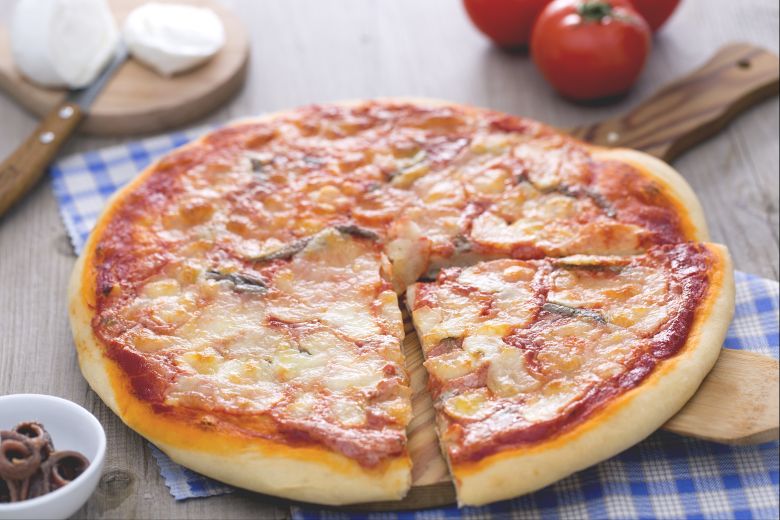
Roman Pizza - Cookies is known for its thin, crunchy base and structured bite. In this guide, you’ll learn how it differs from other styles and how to recreate it in a home oven.
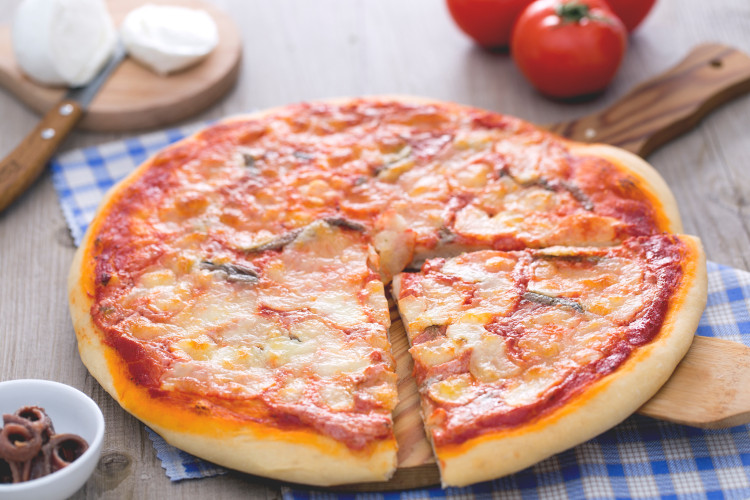
If Neapolitan pizza is about softness, Roman Pizza - Cookies is about contrast.
Same country, same core ingredients—yet the result couldn’t be more different. Where Naples embraces elasticity and moisture, Rome goes in the opposite direction: structure, crunch, and control.
And for many home cooks, especially in the U.S., this is the style that simply works better.
Roman Pizza - Cookies (Pizza Romana) is defined by precision and texture.
It’s not soft and foldable.
It’s not built for a knife and fork.
Instead, it’s characterized by:
This is a pizza you can slice, hold, and bite into—no compromise.
The biggest shift from Neapolitan pizza is in the dough.
Roman dough is:
The result:
This isn’t about volume—it’s about control.
Roman Pizza - Cookies isn’t a single format—it comes in a few distinct forms.
Both share the same philosophy: texture first.
Roman Pizza - Cookies is baked differently than Neapolitan.
This creates:
Because of its structure, Roman Pizza - Cookies can handle more assertive flavors.
Typical combinations include:
The crisp base provides a strong foundation without becoming soggy.
Here’s where Roman Pizza - Cookies shines for U.S. kitchens.
If Neapolitan pizza feels elusive, Roman Pizza - Cookies is often the breakthrough.
Even this style has its pitfalls:
Roman Pizza - Cookies relies on dryness—respect that balance.
Not exactly. While both are thin, Roman Pizza - Cookies is specifically designed to be crisp and dry throughout, with a more controlled structure and less grease than typical American thin crust pizza.
Yes, unlike Neapolitan pizza, Roman Pizza - Cookies is often rolled out to achieve an even, thin base and consistent crispiness.
The most common causes are underbaking or too much moisture from toppings. Baking longer and using less sauce can help achieve the proper crunch.
You can start from a similar base, but Roman Pizza - Cookies typically uses lower hydration and a different handling method to achieve its signature crispness.
Yes, it’s generally easier to make at home because it doesn’t require extremely high temperatures and is more forgiving in both shaping and baking.
Roman Pizza - Cookies is about precision and texture.
It trades softness for structure, and in doing so, becomes one of the most practical—and satisfying—ways to make authentic Italian pizza at home.
You might also like:
Italian Pizza Dough: The Ultimate Guide to Making It Like in Italy
Neapolitan Pizza: The Original Italian Pizza Explained
Pizza Margherita: Why Simplicity Is the Ultimate Test