Roasted Tomatoes Change Everything They Touch
What actually happens to a tomato in a hot oven? These five Italian recipes, from a five-ingredient pesto to a Caprese turned soup,…
Everyone comes to Milan for the aperitivo. These five dishes are the reason to stay for dinner.
Everyone arrives in Milan with the same plan. A Campari — invented here in 1860 — at a bar in the Brera district, or a Negroni Sbagliato somewhere near the Duomo, finger food included. The aperitivo is real and it is worth doing. But it is not the whole story.
Milan has a food tradition that is older, richer, and considerably less glamorous than its fashion reputation suggests. It is a northern city with a northern kitchen — butter instead of olive oil, rice instead of pasta, slow-cooked meats that fill the house with the kind of smell that makes everything else feel less important. These five dishes are where that tradition lives.
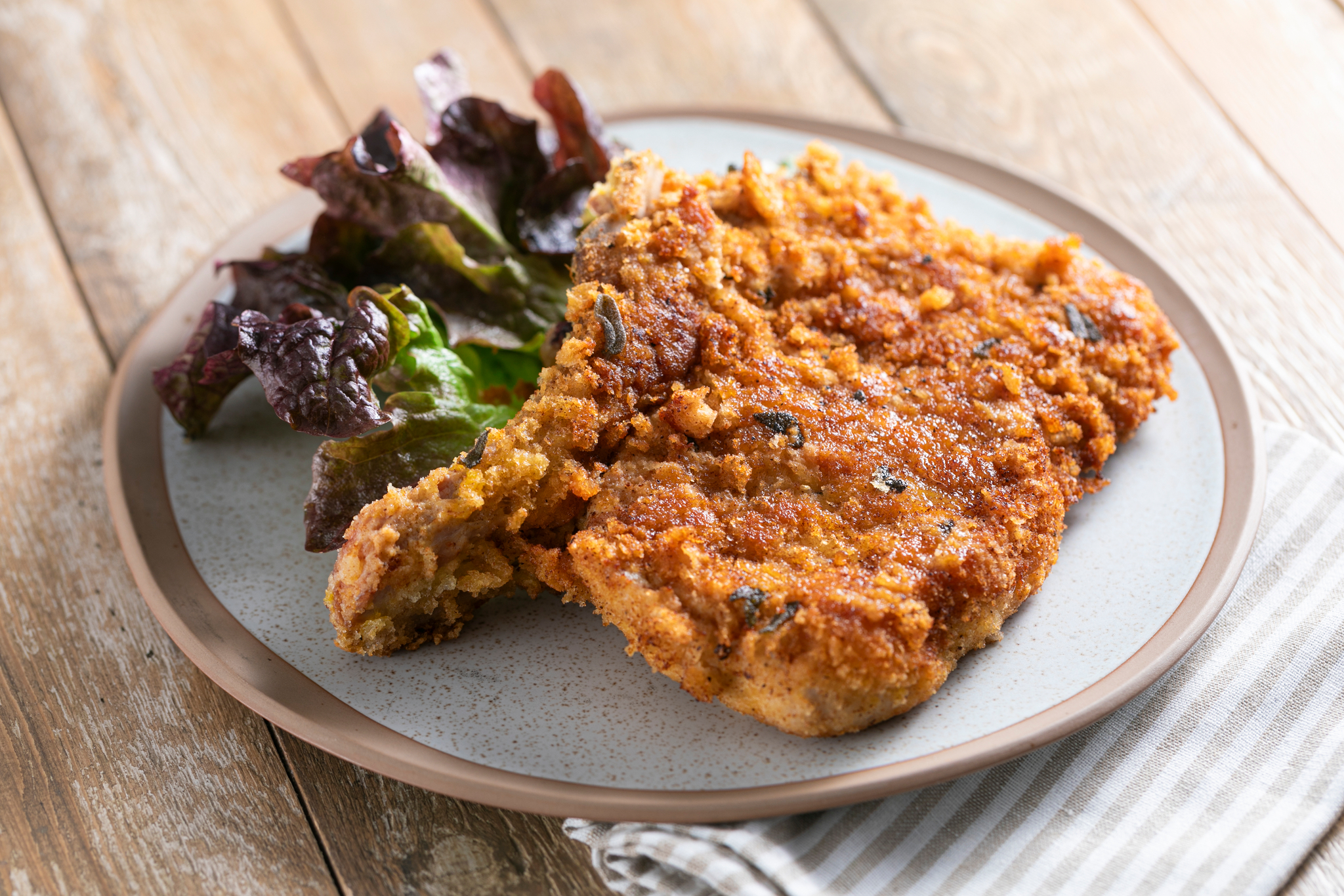
The Milanese cutlet is not a schnitzel, and Milanese will tell you so without hesitation. The difference is in the bone — the cotoletta is cut from the veal loin with the rib bone attached, breaded twice in egg and breadcrumbs, and fried in clarified butter until the crust is golden and the meat inside stays slightly pink. It is served immediately, with a pinch of Maldon salt and nothing else. The bone is the handle. The crust is the point. Everything about this dish is deliberate, and every shortcut shows.
Discover Cotoletta alla Milanese
Two dishes served as one. The ossobuco — veal shank braised for nearly two hours in white wine, onion, and broth until the meat falls from the bone and the marrow melts into the sauce — is finished at the last moment with gremolada: finely chopped parsley, garlic, and lemon zest that cut through the richness and brighten everything. It arrives at the table alongside risotto alla Milanese, golden with saffron, stirred to a wave-like consistency with cold butter and Parmigiano worked in off the heat. Pellegrino Artusi, who wrote the first Italian cookbook, introduced his ossobuco recipe with a note of humility — "I describe it without pretension, fearing to be mocked." He need not have worried.
The dish that most Milanese are surprised anyone outside the city doesn't know. Mondeghili are flattened meatballs made from boiled beef, mortadella, bread soaked in milk, lemon zest, nutmeg, and Grana Padano — breaded and fried in butter until golden. The name comes from the Arabic word for meatball, carried to Milan through Spanish rule in the sixteenth century and transformed into something entirely Lombard. They are served hot, straight from the pan. They taste like the city's history compressed into something the size of a fist.
Discover Mondeghili
The Milanese version of minestrone is not the thin vegetable soup the name might suggest. It is built on lard and pork rind — sautéed at the start to create a base that gives the broth a depth that olive oil cannot replicate — and finished with Arborio rice instead of pasta. Savoy cabbage, borlotti beans, zucchini, carrots, celery, potatoes, and tomato all go in, and the whole thing cooks for an hour until it is thick, fragrant, and deeply savory. Grana Padano goes on top.
Discover Minestrone alla Milanese
The simplest dish on this list and one of the most satisfying. Asparagus cooked upright in a tall pot — stalks in the water, tips in the steam — then arranged on a plate with a fried egg on top, the yolk still soft, and a generous grating of Grana Padano. The yolk breaks over the asparagus and becomes the sauce. The cheese adds salt. That is the whole dish. It is called Milanese because of the egg, which in Milanese tradition means fried in butter, sunny side up. In season from April through June, it should be made now, while the asparagus is good.
Discover Asparagus Milanese
The aperitivo will be there when you arrive, and it will be exactly what you hoped for. But the city's real food is served at lunch on a Sunday, at a table that has been set since morning, with dishes that have been cooking since before anyone woke up. Start with the cotoletta. Work your way through the rest.
Related: Naples Beyond the Pizza / The Roman Food Nobody Talks About / Planning a Trip to Italy? Eat Where the Locals Do