Roasted Tomatoes Change Everything They Touch
What actually happens to a tomato in a hot oven? These five Italian recipes, from a five-ingredient pesto to a Caprese turned soup,…
In Italy, stale bread is never a problem. These five techniques turn it into panzanella, bruschetta, pappa al pomodoro, and more.
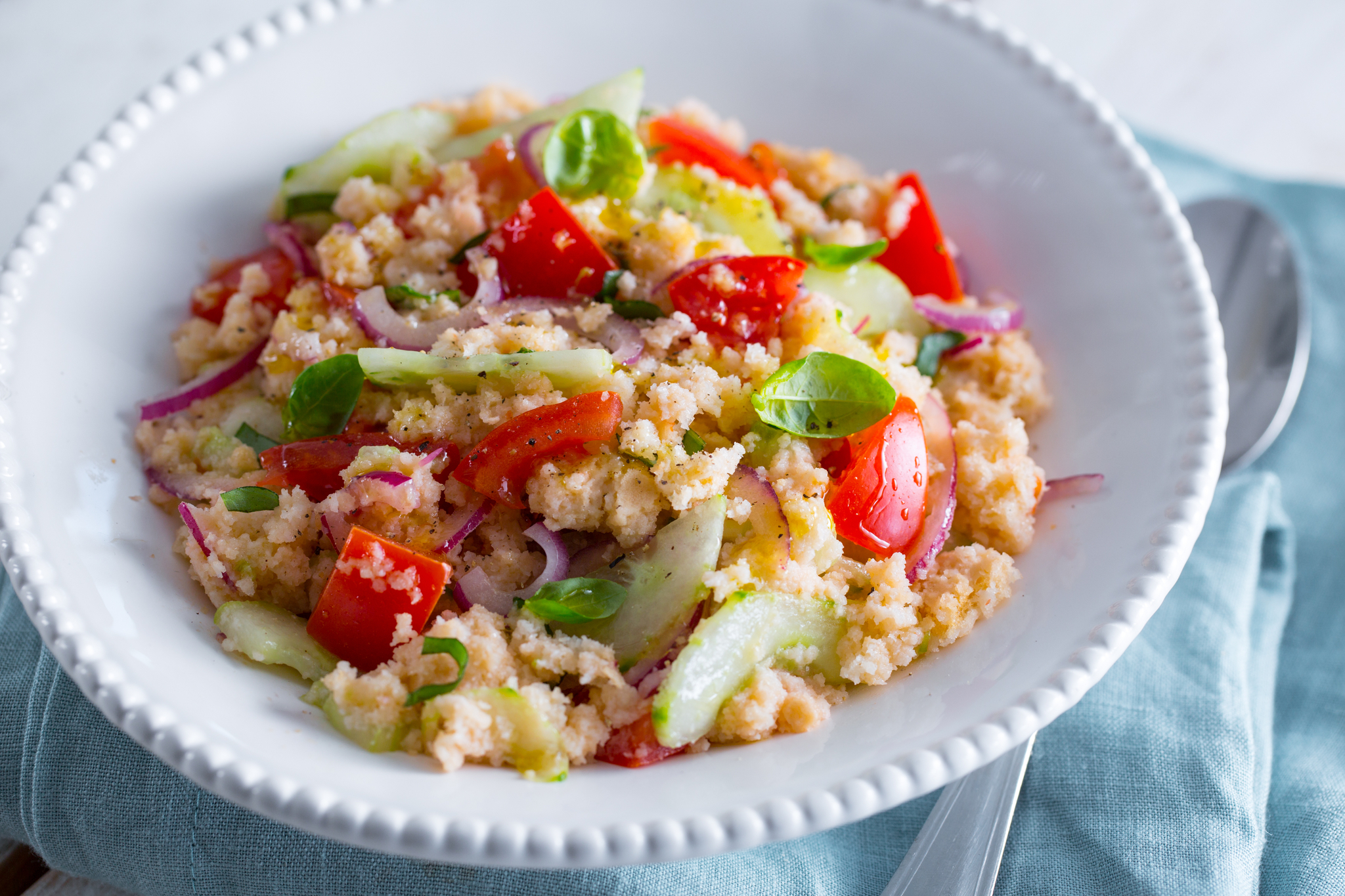
In Italy, bread is never an afterthought and never a waste. The loaf that is too hard to eat on day three becomes the foundation of some of the country's best dishes — soaked, toasted, crumbled, or left to absorb whatever is around it. These five techniques are the ones that Italian cooks reach for instinctively, especially in summer, when the bread dries fast and the tomatoes are good enough to do most of the work.
Tuscan bread goes stale faster than most — no salt in the dough, which means it dries out overnight. This is not a flaw; it is the point. Stale Tuscan bread soaked in cold water and white wine vinegar, squeezed out, and tossed with ripe tomatoes, cucumber, red onion, basil, olive oil, and salt is panzanella — one of the great summer dishes of central Italy. The vinegar is not optional. It is what gives panzanella its character, the sharp edge that keeps the whole thing from being just wet bread with vegetables. Use the stalest bread you have. The older, the better.
Discover Panzanella
The bruschetta mistake most people make outside Italy is mixing garlic into the tomatoes. The Italian technique is the opposite: toast the bread until genuinely golden, then rub a raw clove of garlic directly onto the hot surface while it is still warm. The heat opens the bread's crust just enough for the garlic to leave its flavor without overpowering. The tomatoes — diced, seasoned with salt, pepper, oregano, and olive oil, left to rest for thirty minutes — go on top. The garlic is in the bread, not the topping. That is the difference.
Discover Tomato Bruschetta
In Sicily, toasted breadcrumbs — muddica — serve the same function as Parmigiano in the rest of Italy. Stale bread blitzed into coarse crumbs, toasted in olive oil with garlic, parsley, and chili until golden and fragrant, then scattered over pasta at the last moment. The result is crunch, salt, and depth — everything cheese provides, but lighter and with a distinctly southern character. In the busiate with tuna ragù from Trapani, the muddica is not a garnish. It is the seasoning. Try it on any pasta where you would normally reach for the grater.
Discover Busiate with Tuna Ragù
Pappa al pomodoro is the Tuscan answer to gazpacho — and in this summer version, it does not even require a stove. Datterino tomatoes go through a juicer or blender, the juice macerates in the refrigerator for twelve to twenty-four hours with celery, carrot, spring onion, garlic, and fresh herbs, then gets strained and poured over toasted bread croutons. The bread absorbs the cold tomato liquid and softens into something between a soup and a salad. A spoonful of burrata on top. Nothing is cooked. Everything is seasonal. Make it when the tomatoes are at their peak — which is now.
Discover Pappa al Pomodoro
Friselle are the original shelf-stable bread of southern Italy — twice-baked rings of semolina dough that are rock hard until you run them briefly under cold water, at which point they soften to exactly the right consistency to absorb a topping without falling apart. In Puglia, fishermen took them to sea and soaked them in seawater. At home, cold tap water for ten seconds is enough. Top with cherry tomatoes, marinated anchovies, olive oil, oregano, basil, and a pinch of chili. Ready in five minutes, and one of the most satisfying things you can eat on a hot day.
Discover Friselle with Tomato and Anchovies
These five techniques share the same logic: nothing goes to waste, and what seems finished is often just beginning. The stale loaf becomes panzanella. The crumbs become seasoning. The dried ring becomes lunch. Italian bread cooking is an exercise in patience and attention — and it happens to produce some of the best food of the summer.
Related: Italian Vegetable Hacks That Actually Work / Italian Sauce Hacks That Actually Work / Italian Pasta Hacks That Actually Work