1. Tiramisù
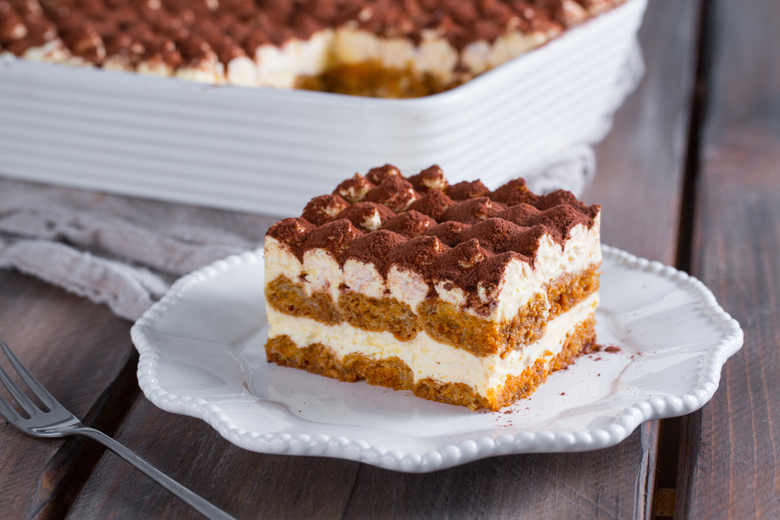
Six ingredients, one method, no shortcuts. The classic tiramisù — plus traditional, pasteurized, and Massari's gourmet version — all in one place.
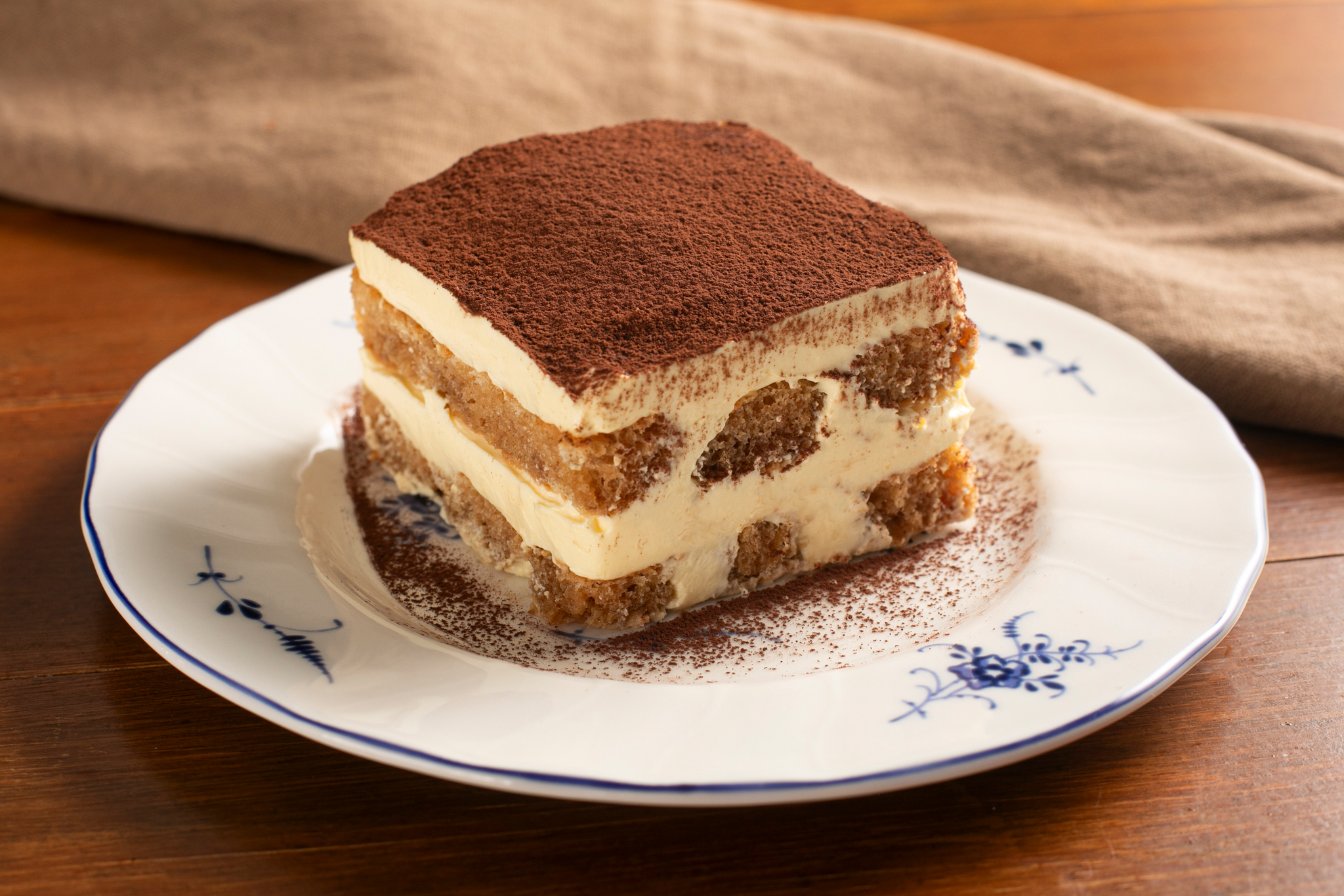
The name means "pick me up" — and the espresso is only part of the reason. What actually lifts a tiramisù is the cream: mascarpone whipped with egg yolks and sugar until it's thick enough to hold its shape, light enough to melt on contact. No dessert has traveled further from a single Italian kitchen to the rest of the world with so little lost in translation.
The origins are still disputed — Veneto, Friuli, Tuscany, and Piedmont have all staked a claim for decades — but the method is non-negotiable. Ladyfingers dipped briefly in strong coffee, layered with cream, chilled until the whole thing sets into something greater than its parts. Six ingredients. No shortcuts.
This is where you start.
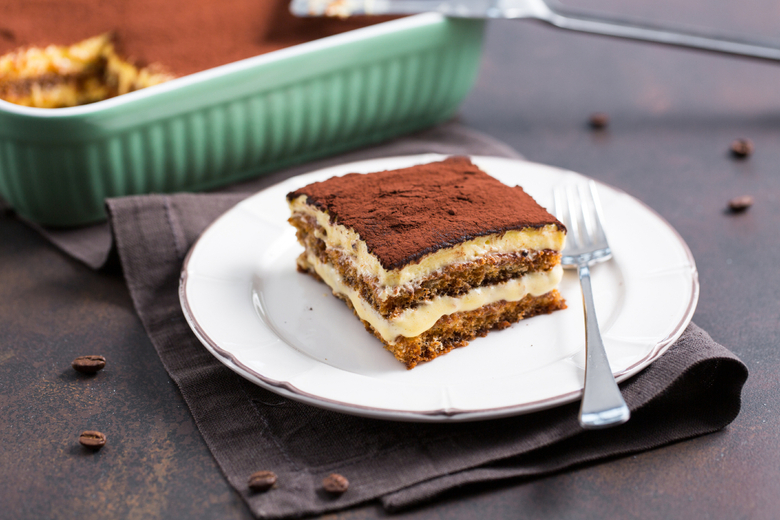
The Classic: Tiramisù Mascarpone, eggs, sugar, ladyfingers, coffee, cocoa. The original — assembled in a large baking dish, chilled for at least two hours, dusted with unsweetened cocoa right before serving. The step most home cooks get wrong is the dip: too long and the ladyfingers turn to mush, too short and they stay dry at the center. A quick, decisive dip on both sides is all it takes. Best made the night before — the layers settle, the mascarpone firms, and the coffee soaks through evenly.
The Traditional Version: Traditional Tiramisù This version by pastry chef Frau Knam uses a pâte à bombe base — egg yolks cooked with hot sugar syrup to a pale, airy cream — combined with stiffly whipped egg whites folded in for extra lightness. The result is a mascarpone cream that's slightly more structured and stable than the classic, with a texture that holds its layers cleanly when sliced. For a more authentic finish, add a splash of Marsala to the coffee.
For Those Who Worry About Raw Eggs: Tiramisù with Pasteurized Eggs Raw eggs are traditional — but not everyone is comfortable with them, and for good reason. This version pasteurizes the yolks using the same pâte à bombe method: a hot sugar syrup poured slowly over the beating yolks brings them to a safe temperature without cooking them. The result is a cream that's just as rich and silky as the original, with none of the food safety concerns. A kitchen thermometer is the only extra equipment you need.
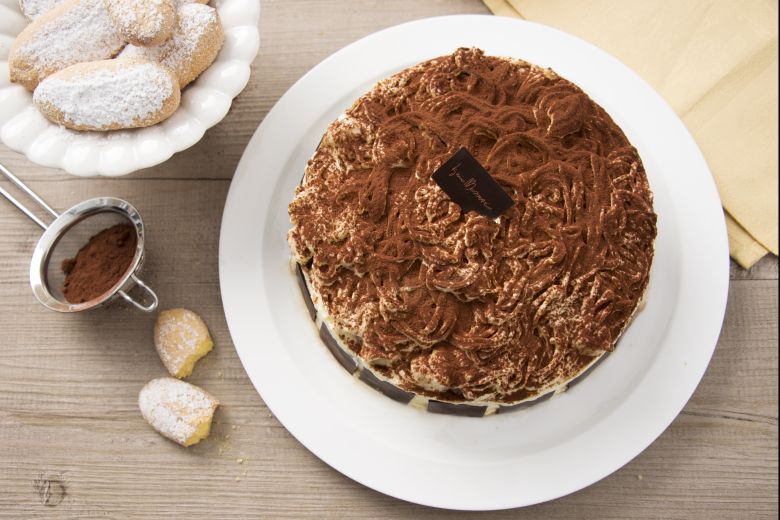
The Master's Version: Gourmet Tiramisù "Tiramisù can be defined as the Italian dessert par excellence — the only coffee dessert to win worldwide success." The words are Iginio Massari's, Italy's most celebrated pastry chef, and this is his version. Homemade ladyfingers baked with vanilla and dusted with flavored sugar, a mascarpone filling lightened with pastry cream and set with gelatin, a coffee syrup made from scratch. Every element made from the ground up, assembled in a ring mold, decorated with dark chocolate squares. It requires time and precision. The result is tiramisù at its absolute ceiling.
The dip. Ladyfingers are designed to absorb liquid quickly — which means the window between perfectly soaked and completely soggy is narrow. Dip each one for no more than a second or two on each side, using cold coffee. The biscuit will continue to absorb moisture as the tiramisù chills in the refrigerator, so what feels slightly underdone at assembly will be perfect by the time it's served.
Pro tip: Dust the cocoa right before serving, not when you assemble. Cocoa sitting in the refrigerator overnight absorbs moisture and loses its bitterness — which is exactly what cuts through the richness of the cream.
Next: Tiramisù Beyond Coffee: Fruit Versions Worth Trying → / Tiramisù in a Different Form: Cake, Cheesecake, and More → / Tiramisù for Everyone: Vegan, Gluten-Free, and Egg-Free →