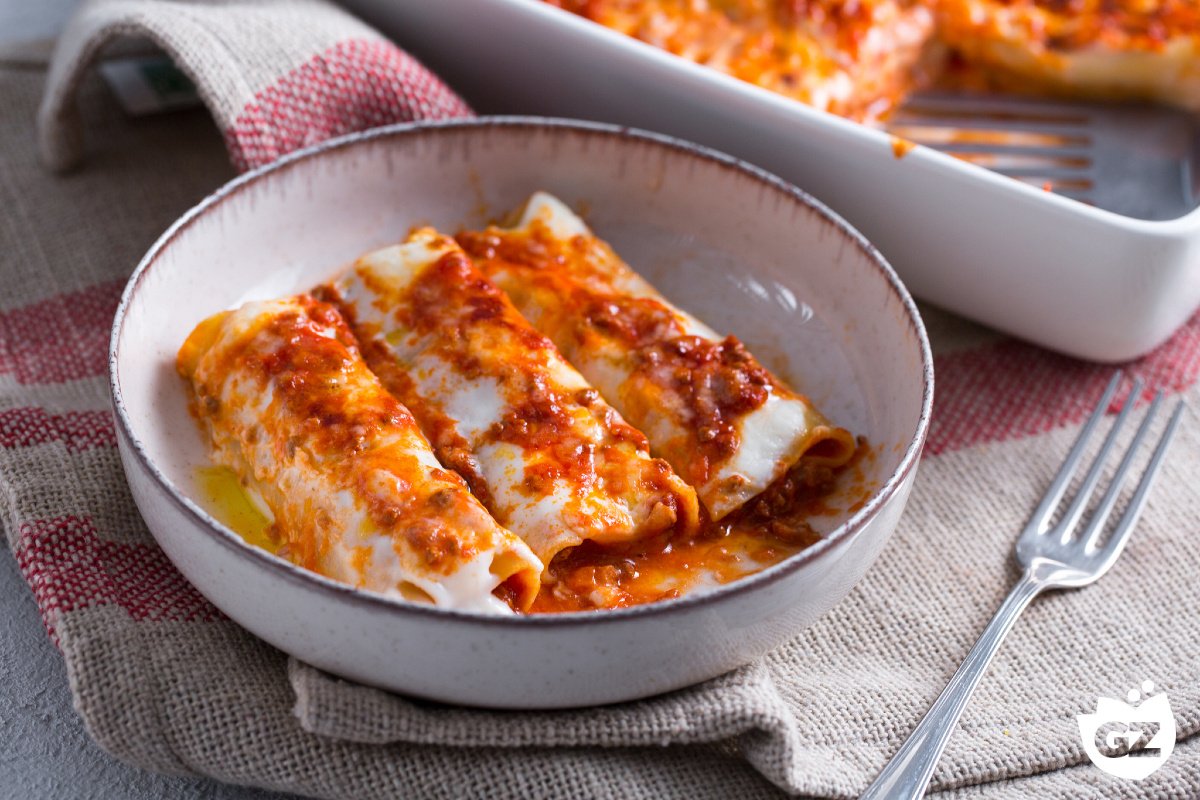
Stuffed Cannelloni for Sunday Lunch: Spinach and Ricotta Plus 3 Variations
What goes inside a cannellone on Sunday? These four Italian recipes, from spinach and ricotta to a carbonara twist, show how many…
Carbonara is precise, not complicated. Here's the authentic Roman method — five ingredients, one technique, and the mistakes worth avoiding before you start.
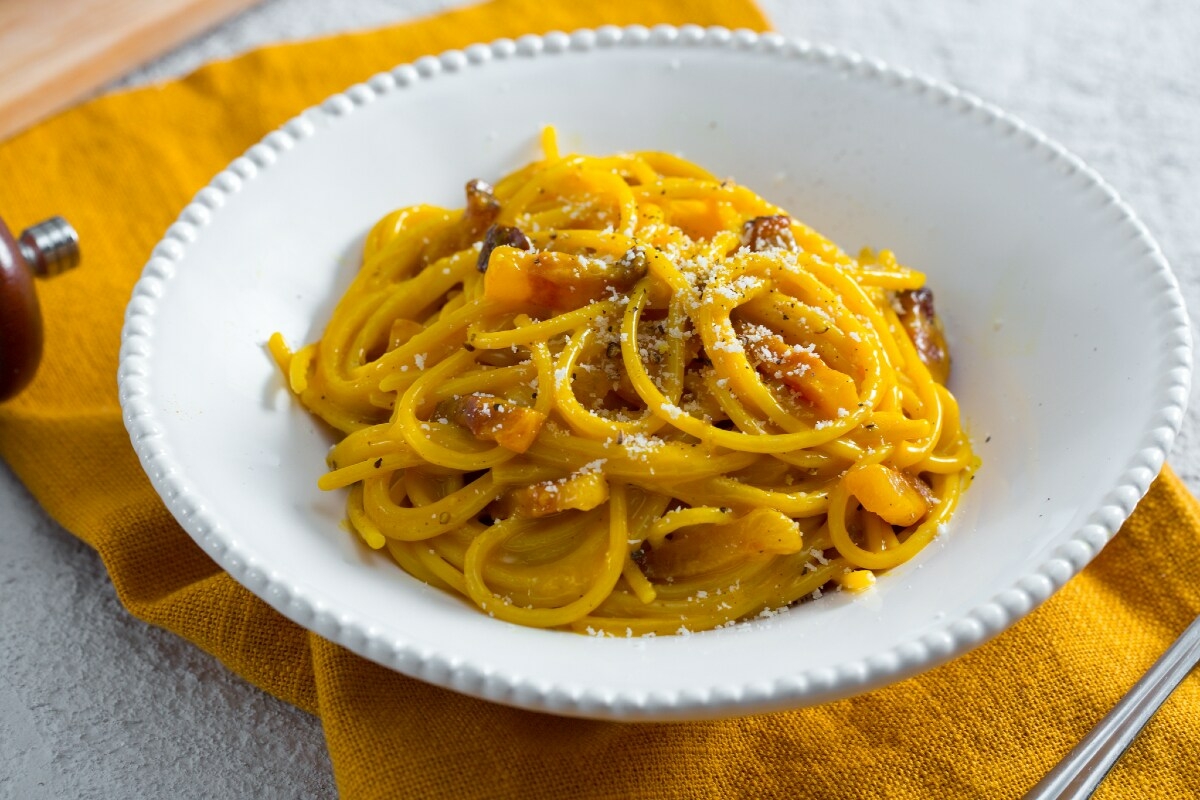
Every cook has a carbonara story. The first time they tried to make it and ended up with scrambled eggs. The version they had in Rome that tasted nothing like what they'd made at home. The moment they finally understood what the pasta water was actually for.
Carbonara is not complicated. But it is precise — and the difference between a silky, restaurant-quality result and a dry, eggy disappointment comes down to three things that most recipes gloss over.
Here's what actually matters.
The authentic carbonara has five ingredients: spaghetti, guanciale, egg yolks, Pecorino Romano, and black pepper. That's it. No cream — cream is the most common mistake and the one that Romans find most offensive. No garlic, no onion, no pancetta standing in for guanciale.
Guanciale is cured pork cheek, and it matters. It has a higher fat content than pancetta and a deeper, more complex flavor that renders differently in the pan. If you genuinely can't find it, pancetta is an acceptable substitute — but guanciale is the goal.
Pecorino Romano is sharp, salty, and aged. Some recipes mix in Parmigiano for a milder result, and that's a reasonable choice. But Pecorino alone is the Roman way, and it gives the sauce a sharpness that Parmigiano can't replicate.
The most important step in carbonara is the one that happens off the heat. After you've rendered the guanciale, tossed the cooked pasta in its fat, and taken the pan completely off the stove — that's when the egg mixture goes in. Not before. Not with the flame still on. Off the heat, completely.
The eggs need to warm gradually from the heat of the pasta, not cook instantly against a hot pan. That's what gives you cream instead of scramble.
The second most important step is the pasta water. Save at least a full cup before you drain — the starchy water is what loosens the sauce and helps it emulsify into something smooth and glossy. Add it a little at a time while you toss, until the consistency is exactly where you want it.
The gray-green ring problem you know from hard-boiled eggs — that's what happens when eggs overcook. In carbonara, overcooked eggs mean a dry, clumpy sauce instead of a silky one. The fix is always the same: remove the pan from the heat before the eggs go in, and work quickly.
Guanciale that's too hard means it went in too early or cooked at too high a temperature. It should be crispy on the outside, still slightly soft inside, and added to the pasta at the very last moment.
A sauce that's too thick means not enough pasta water. A sauce that's too thin means too much. The ideal consistency coats the pasta without pooling at the bottom of the bowl — somewhere between a cream sauce and a glaze.
Our Spaghetti Carbonara is the place to start — the most visited recipe on our site, tested and refined until the method is completely foolproof. For a deeper dive into the technique, chef Luciano Monosilio's Traditional Carbonara walks you through every step with the precision of someone who has made this dish thousands of times.
Master one of these first. Everything else follows.
Related: Carbonara Without Guanciale: Vegetables, Seafood, and Everything in Between / Carbonara in a Different Form / Bolognese Is Just the Beginning: The Italian Ragùs You've Never Tried