

Tuna and Ricotta Balls
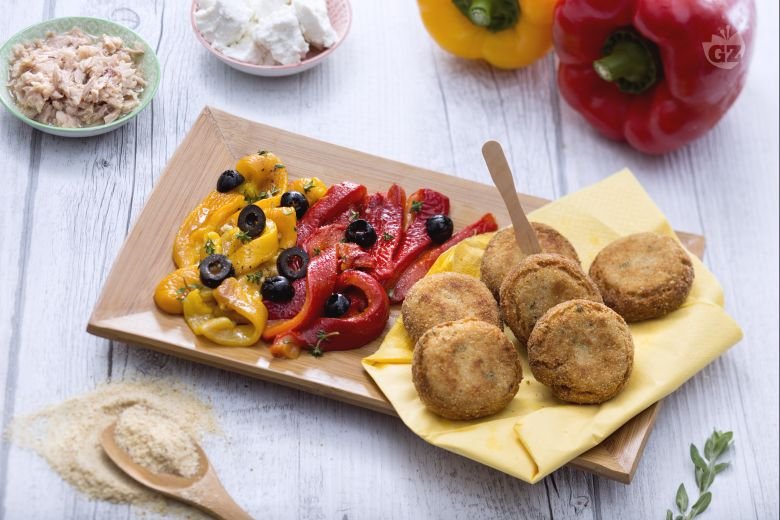
The tuna and ricotta balls are ideal to serve as an appetizer or main course: an original and tasty way to use canned tuna! Discover our easy recipe!
- Easy
- 30 min
- Kcal 650
Tuna and ricotta meatballs, you know, are a hit at tables across Southern Italy. Especially when you're craving something light yet super tasty. In regions like Calabria and Sicily, mixing tuna meatballs with creamy ricotta gives you that tender texture everyone loves. It’s not just the taste; it’s all about keeping things moist and not too heavy.
These tuna and ricotta meatballs get their flavor from Mediterranean goodies like roasted peppers, thyme and black olives, adding a tangy kick to each bite. Honestly, the oven-baked style is quite popular—it's a healthier take without losing that golden crust. Kids really, really love these since they are mild and soft inside. Perfect for dipping in sauce or piling up with peppers.
And look, roasted peppers, whether red or green, make these ricotta meatballs really stand out. Tossed with black olives, garlic, and a sprinkle of thyme, the peppers become sweet and slightly crispy at the edges—just so so good. This combo's seen all over Southern Italian kitchens and is just right for a tuna meatballs recipe that's quick enough for busy weeknights.
Thing is, the peppers add color and make the dish feel like a true treat, while the moist bite from the meatballs pairs perfectly with the veggies. The way flavors blend after roasting? Seriously good. Families in Southern Italy often serve these tuna and ricotta meatballs with peppers as a second course, and they’re awesome as leftovers.
If you're into Mediterranean flavors or want a ricotta meatballs recipe that's a bit different, these seafood meatballs are really a fantastic choice. And listen, there are plenty of ways to switch things up—try different herbs or add lemon zest to brighten the whole dish. Pretty simple. With so many ways to enjoy them, these easy dinner recipes keep everyone happy around the table. For real.
You might also like:

To prepare tuna and ricotta meatballs with peppers, start by washing and drying the two peppers 1; then place them on a tray and bake them for about 30-40 minutes at 482°F, turning them from time to time until the skin is well roasted 2. Once roasted, place them inside a plastic bag, or in a bowl covered with plastic wrap for about 15 minutes 3.

After the indicated time, remove the peppers from the bag and peel off the skin, which will come off quite easily. Once peeled, remove the seeds and internal filaments from the peppers 4, then cut them into strips 5. Place the peppers in a bowl and season with chopped thyme, salt, crushed garlic, extra virgin olive oil, and finally the pitted black olives cut into slices 6. Mix the ingredients and let it all rest.
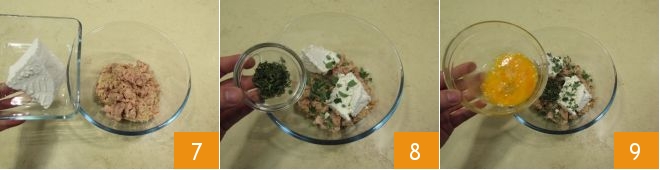
Meanwhile, prepare the meatball mixture: pour the tuna into a bowl, add the ricotta 7, chopped thyme and marjoram 8, and the previously beaten egg 9.

Then also add grated cheese, breadcrumbs, salt, and pepper 10. Mix everything with a spoon 11 and finish kneading by hand until you obtain a uniform mixture 12.

At this point, take portions of the mixture weighing about 1.75 oz and form slightly flattened meatballs 13. Roll them in breadcrumbs 14 and fry them in hot oil 15.

Cook for about 6 minutes, browning well on both sides 16. Place the meatballs to drain on kitchen paper towels 17 and serve them hot accompanied by the peppers 18.