


Scallops au gratin
Scallops au gratin is a very original and tasty appetizer to prepare, great for dinners and special occasions!
- Very easy
- 30 min
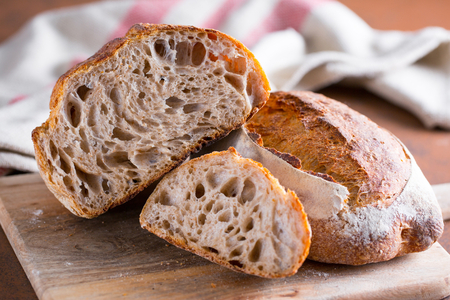
So here's the thing, sourdough bread with thyme is just something else. Really. Especially when you make it with Italy's traditional lievito madre. This natural sourdough starter? It adds such an incredible fragrance and gives the bread a soft, lasting texture. Hard to resist, right? And you know, adding thyme takes it up a notch. Your kitchen fills with this refreshing herbal aroma—seriously good.
And look, it's kinda fascinating to watch the dough rise slowly. You get this natural leavening process that boosts flavor and creates a light, airy crumb with a crunchy crust. People love it. Italians are really into the details—making every loaf feel like a masterpiece. Even if you're just gonna use it for sandwiches later, it feels special.
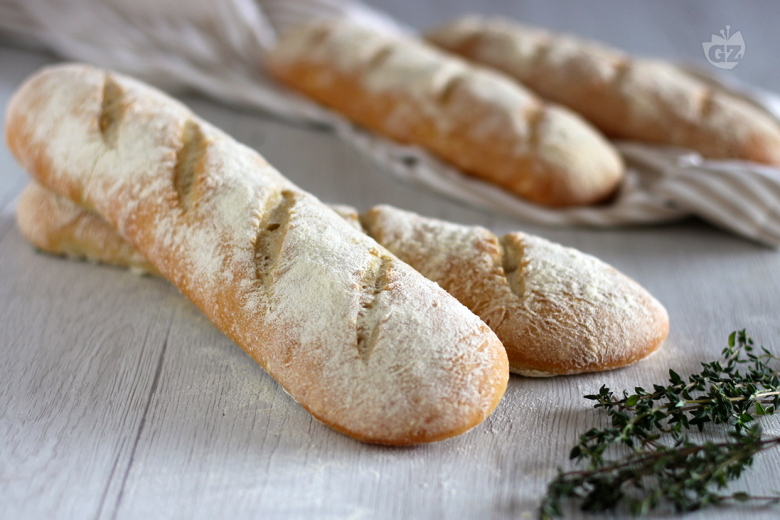
Plus, with thyme, this bread stands out from other sourdough bread variations. Its herbal kick—and oh, it's a kick—enhances the golden crust's flavor and complements the tender crumb inside perfectly. Italians love to slice this up with salumi, cheeses, or a drizzle of olive oil. And listen, that's a tasty treat. It is pretty much a versatile food—works great as a snack or the star of a meal. Especially if you dig artisan bread baking and want something beyond the ordinary.
Whether you're new to sourdough or an old pro at baking with fresh herbs, this loaf gives you a classic Italian experience with a twist. Also, it stays soft for days. No need to rush. Each bite still bursting with that tasty thyme aroma. Honestly, for anyone looking for an easy sourdough bread recipe that brings a touch of Italian bakery vibes, this is a must-try. It's really really good. The harmony of techniques with a modern herbal twist makes this bread a must-have in any kitchen.

To prepare thyme bread with sourdough, start by preparing the thyme infusion, which you can also do the day before. Trim the thyme by running your fingers along the stems to collect only the leaves 1. Bring 350 g of water to a boil; take a jug and put two tablespoons of fresh thyme 2, then add the boiling water 3.

Allow the thyme infusion to cool completely, then strain it with a sieve 4. Crumble the refreshed sourdough starter in a bowl, add 50 g of water and mix 5 until completely dissolved 6.

Pour the flour into a bowl and add the dissolved sourdough starter 7. Gradually add the thyme infusion 8, and mix with a spoon 9.

Add the malt powder 10 and fine salt 11. Turn the dough out onto a floured surface and knead with your hands 12
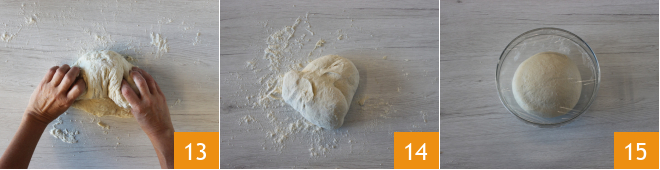
until a smooth and homogeneous dough is obtained 13 14. It will take about 15 minutes. Place the dough in a bowl, cover it with plastic wrap 15

and let it rise until doubled in size 16. It will take about 5 hours. After the resting time, turn the dough out onto a floured surface 17 and gently deflate it with your hands, trying to give it a rectangular shape 18.

With a dough scraper, divide the dough into 4 equal parts 19 20. Flatten each portion 21

and form the loaves: start by closing the long side of the dough rectangle towards the outside 22 and roll it up completely 23 34.

Place the loaves on a baking sheet lined with parchment paper, with the seam side down 25. Let the loaves rise until doubled in size. It will take about 2 hours. Dust the loaves with durum wheat semolina 26 and make cuts on the surface 27,

spacing them a couple of centimeters apart 28. Bake in a preheated fan oven at 482°F, placing a small pot of water at the bottom of the oven, for 10 minutes. Lower the oven temperature to 392°F, remove the pot of water and continue baking for 25 minutes. For the last 5 minutes, bake with the oven door slightly open using a wooden spoon, to let out moisture. Remove from the oven 29 and cool on a wire rack 30 before serving.