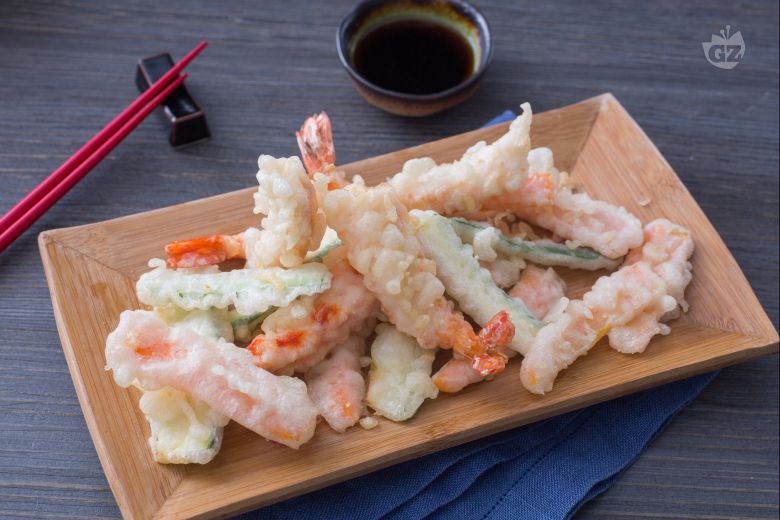


Tempura Shrimp
Tempura shrimp are wrapped in a crispy and light batter and are great to serve as an appetizer with a sweet and sour sauce! Here's the recipe
- Average
- 20 min
Tempura is a classic from the Japanese kitchen, but get this: its roots actually go back to the Portuguese. Seriously. The cool part about this tempura recipe is how Japanese chefs have turned it into something really really special. So here's the thing—it is all about that crispy texture. You mix the batter with icy-cold water, sometimes even throw in ice cubes. Keeps it light. This prevents the tempura batter from becoming too thick, resulting in bites that are super light and crispy. And none of that heavy or greasy feel. Pretty much perfect.
Whether you're into shrimp tempura or you load up on sweet potato, eggplant, or even green beans for some vegetable tempura, you'll notice the delicate coating stays golden—it doesn't soak up much oil. And you know what? Instead of letting the batter rest, Japanese chefs hustle and keep it a bit lumpy. Which is great. This keeps it airy, totally unlike any fried food you've tried.
Now, many might think soy sauce is the go-to dip, but Japanese tempura often comes with a special tempura dipping sauce called tentsuyu. It's got a sweet-salty kick, and with some grated daikon and ginger on the side, it adds a tangy flavor. Seriously good. Enhances the taste of the moist seafood or veggies inside.
In Japan, attention to detail is everything, from the oil temperature to timing. And here's the deal—these little details make a big difference. Various regions across Japan have their own twist on homemade tempura, using different veggies or seafood based on what's fresh. Though it started out Portuguese, the Japanese version is famed for its crunchy texture and lightness. Achieving that crispy outside with a tender inside is what really sets this Japanese tempura apart.
Whether you enjoy it solo, over a bowl of rice, or dipped in that sweet-tangy sauce, it’s a dish that really shows the care and skill that go into making something this tasty. It's a culinary experience that captures a blend of cultures—resulting in a dish that's as crunchy and satisfying as it is rich in history. And look, you can't go wrong with that.
You might also like:

To make the tempura, first, make sure that the ingredients for the batter are very cold, so place the water in the freezer until you need it (make sure it doesn't freeze). Proceed to prepare the shrimp: gently remove the head 1, legs, and shell, leaving only the tail attached, then remove the black thread on the back using a toothpick or the tip of a small knife 2. Finally, slightly flatten the cleaned shrimp using a small rolling pin, to prevent them from curling during frying 3; alternatively, you can make shallow diagonal cuts along the back.

Now prepare the vegetables: trim and cut the zucchini in half 4, then slice them into thin slices of a few millimeters 5; if you prefer, you can cut them into sticks. Do the same with the carrots 6.

At this point, you can prepare the batter: pour all-purpose flour and rice flour into a bowl 7, mix and place the bowl in a larger container filled with ice cubes 8. Add the chilled sparkling water and mix very briefly with a whisk or a fork 9: you should not get a smooth batter, but a lumpy one.

Pour the seed oil into a wok or a high-sided pan and heat it to a temperature of 340°F-355°F. If you don't have a thermometer, you can check the temperature by dropping a bit of batter into the oil: if it sinks halfway and then quickly rises to the surface, the oil is ready for frying. Dip the shrimp into the batter 10, letting the excess drip off, then immerse them in the hot oil 11 and fry for 1–2 minutes. For a more voluminous result, you can take a little batter with your fingers and let it drop directly over the shrimp to form crispy protrusions. As they are ready, remove the shrimp from the oil 12 and transfer them to paper towels. The batter should not brown during frying but should remain white.

Coat the vegetables with batter and fry them 13, making sure not to add too many pieces at once to avoid the oil temperature dropping, then drain on paper towels 14. Your tempura is ready to be served simply with a bit of salt or accompanied by the sweet and sour sauce 15!