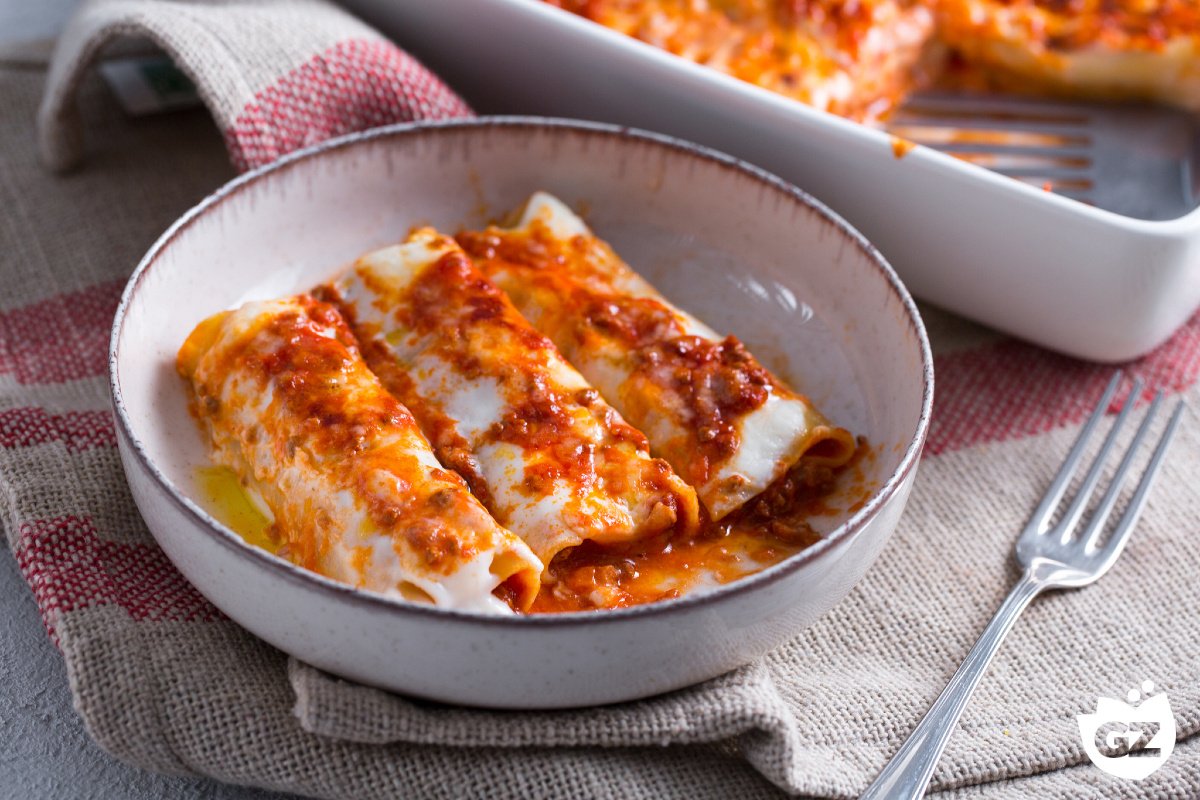
Stuffed Cannelloni for Sunday Lunch: Spinach and Ricotta Plus 3 Variations
What goes inside a cannellone on Sunday? These four Italian recipes, from spinach and ricotta to a carbonara twist, show how many…
Italians treat fresh pea season like an event. Here's how to pick them, freeze them, and cook them into 7 recipes worth making before the season ends.

In Italy, the arrival of fresh peas at the market is a seasonal event. Not a minor one. Grandmothers inspect the pods at the stall, pressing them gently to check the fill. Families sit around the table shelling them together — it's one of those kitchen rituals that has never needed updating because it was never broken.
Americans know peas mostly from the freezer aisle. Italians know them as one of the great ingredients of spring — sweet, protein-rich, and versatile enough to anchor everything from a creamy risotto to a quick weeknight frittata. Here's what to do with them.
Look for pods that are bright green, firm, and fully closed. If they're too large, the peas inside will be starchy and less sweet — and they'll take longer to cook. The best ones are medium-sized, with pods that snap cleanly when you bend them.
Buy them with the pod on. They last 2 to 3 days in the fridge that way — already shelled, they go soft fast. And the pods themselves aren't waste: blanched and blended, they make a delicate broth or a base for soup.
Fresh peas freeze beautifully. Shell them, spread them on a tray, freeze until solid, then transfer to a bag. They'll keep for up to a year — and they'll taste better than anything from the store. The only rule: don't keep opening and closing the bag, or you'll break the cold chain.
Start with Pea Hummus — a spring riff on the classic chickpea version that's brighter, greener, and genuinely surprising the first time you try it. Serve it with warm bread or raw vegetables and it disappears immediately.
For a quick side, Peas Braised with Pancetta is the Italian answer to the question of what to make when you have fifteen minutes and want something that tastes like it took longer. Sweet peas, crispy pancetta, a little broth — done.
If you want a proper first course, Risi e Bisi is the one to make. A Venetian classic that sits somewhere between a risotto and a soup — rice and fresh peas cooked together with the pod broth, finished with Parmigiano and butter. It's traditionally made on April 25th in Venice, for the feast of Saint Mark. Once you've had it with fresh peas, the frozen version feels like a different dish entirely.
For pasta, Pasta with Pea Cream and Guanciale is rich, fast, and deeply satisfying — the peas are blended into a silky sauce that clings to every strand, with guanciale adding the kind of savory depth that makes a simple dish feel complete. And Eggs and Peas — uova e piselli — is the Italian weeknight classic that most Americans have never heard of: eggs cracked directly into a pan of braised peas, cooked until just set. Ten minutes, one pan, genuinely good.
For something more unexpected, Peas a Cecamariti is a Puglian dish — peas cooked with turnip tops, garlic, chili, and topped with crispy bread croutons. The name translates roughly as "husband-blinding" — the idea being that the dish is so simple a wife could make it without her husband noticing how little effort went in. It's one of those recipes that tastes far more complex than it is.
To finish, Calamari with Peas is the seafood option worth knowing — tender calamari braised with fresh peas in a light tomato sauce, served with crusty bread for the broth. A classic of Italian coastal cooking that takes about 30 minutes and tastes like a summer lunch by the sea.
Fresh pea season is short — roughly March through May, depending on where you are. Buy more than you think you need, freeze what you can't use immediately, and cook your way through the list. By the time summer arrives, you'll understand exactly why Italians get so worked up about a pod of peas.
Related: Strawberries Are Here. These 5 No-Bake Desserts Are Ready in Minutes. / The Italian Way to Eat Well Without Trying Too Hard / Spring Dinners that Practically Cook Themselves.