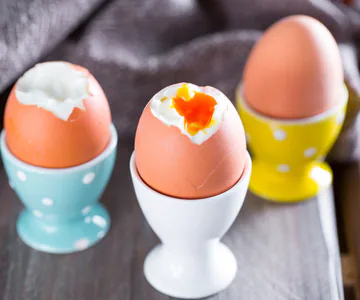
Soft-boiled eggs
- 4.1
Rubbery yolk? Shell that takes half the white with it? Here's the foolproof timing chart — and the one step everyone skips.
If you've ever peeled a hard-boiled egg only to find a sad gray ring around the yolk — or cracked open a soft-boiled egg expecting silky gold and got rubbery white instead — you already know the struggle. Cooking eggs sounds simple. It's not. Or rather, it wasn't, until you read this.
Here's everything you need to know to nail perfectly soft-boiled and hard-boiled eggs, every single time.
Eggs cook fast, and the margin between "perfect" and "overcooked" is literally a matter of seconds. The whites and yolks have different protein structures that set at different temperatures — which means timing isn't just a preference, it's science.
The good news? Once you understand the method, it becomes completely foolproof.
That's it. No special gadgets, no egg cooker required.
This is the single most important step that most recipes get wrong. Don't put your eggs in cold water and bring them to a boil. That method gives you zero control over timing and leads to inconsistent results.
Instead:
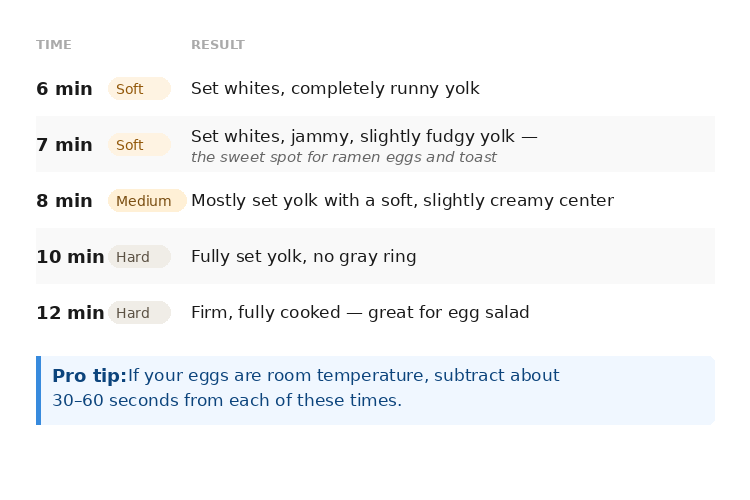
This is where it all happens. Start your timer the moment the eggs hit the water — every second counts. Once done, transfer them immediately to an ice bath for at least 5 minutes to stop the cooking.
The second your timer goes off, transfer the eggs immediately to your ice bath and let them sit for at least 5 minutes. This does two things:
Skipping the ice bath is the #1 reason people end up with overcooked yolks and difficult-to-peel eggs.
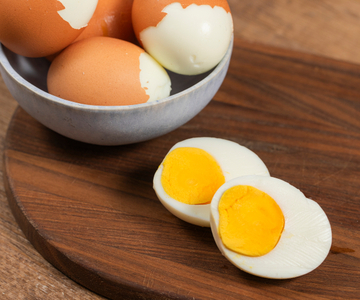
Peel your eggs under a thin stream of cold running water. Start at the wider end of the egg (where there's a small air pocket) and work your way around. The shell should slip off in large pieces rather than tiny frustrating fragments.
Older eggs actually peel easier than very fresh ones — the slight gap that forms between the shell and the membrane as eggs age makes peeling much smoother. If you're planning to hard boil eggs for deviled eggs or egg salad, buy your eggs a week ahead.
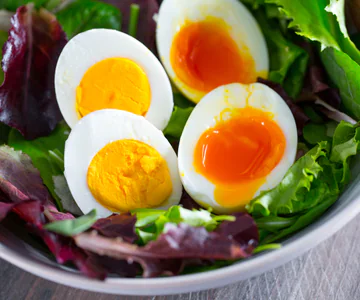
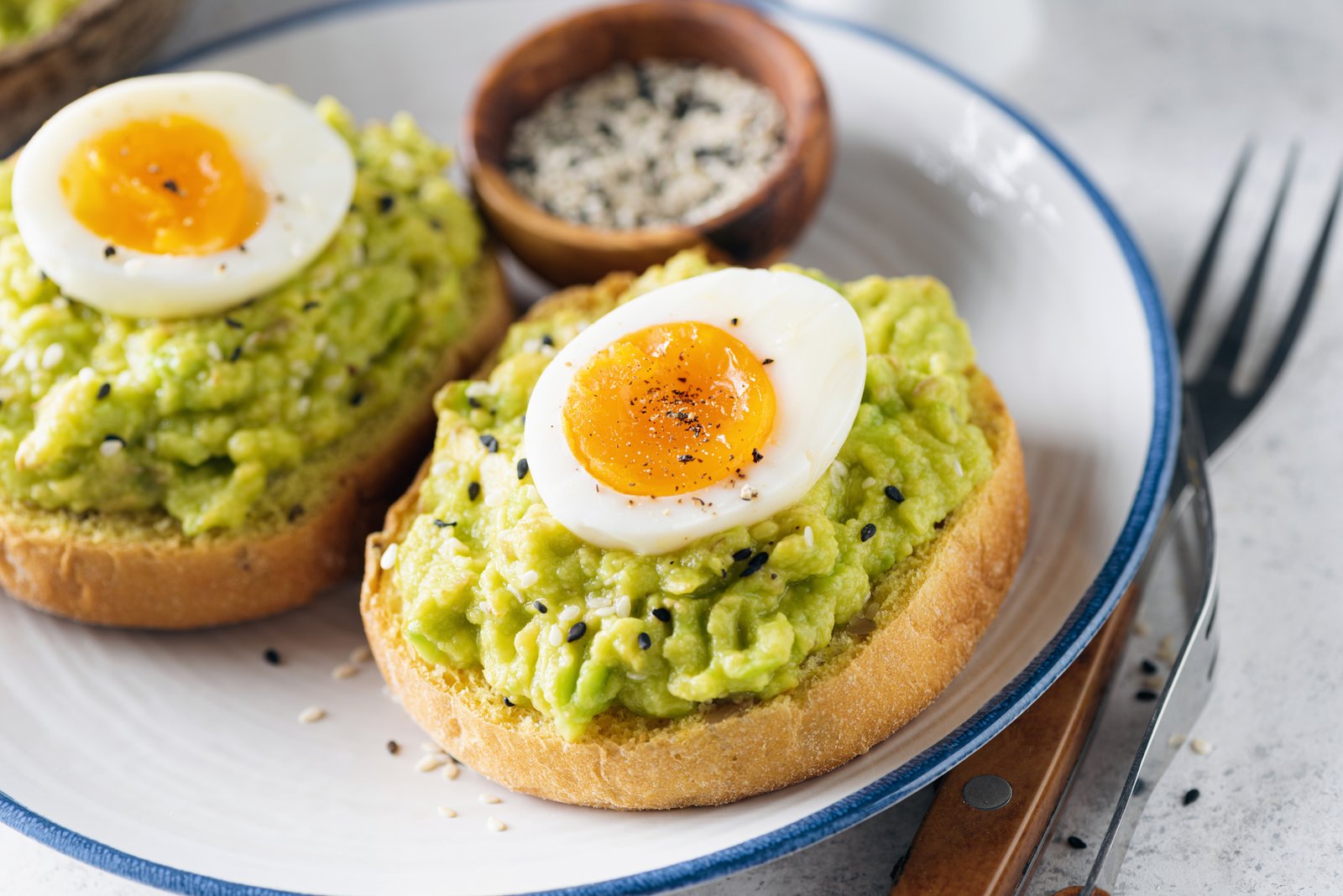
A 7-minute soft-boiled egg is one of the most versatile things in your kitchen. Here's what to do with it:
Unpeeled hard-boiled eggs will keep in the refrigerator for up to one week. Peeled eggs should be stored in a bowl of cold water (change the water daily) and used within 5 days.
Never freeze hard-boiled eggs — the whites become rubbery and watery.
Gray-green ring around the yolk? You overcooked them, or skipped the ice bath. Stick to 10–12 minutes max and cool immediately.
Impossible to peel? Your eggs are too fresh. Use older eggs, or try the ice bath trick.
Cracked shells in the water? You dropped them in too fast or the boil was too aggressive. Lower them gently and keep the heat at a moderate boil.
Unevenly cooked whites? The eggs were too cold and went into water that wasn't fully boiling yet. Always wait for a true rolling boil.
Perfect boiled eggs come down to three things: boiling water from the start, precise timing, and an ice bath. Master those three steps and you'll never have to guess again.
Related:
The Best Egg Salad You'll Ever Make
How to Make Soft Scrambled Eggs
Everything You Need to Know About Poaching Eggs