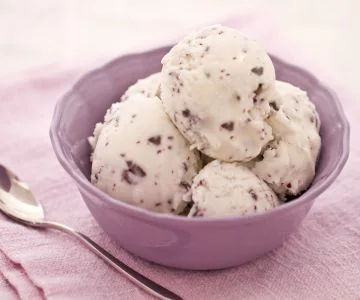
Stracciatella Gelato
- 3.8
Gelato and ice cream are not the same thing wearing different names. Here's what's actually different — and why real gelato in Italy tastes like nothing you've had before.
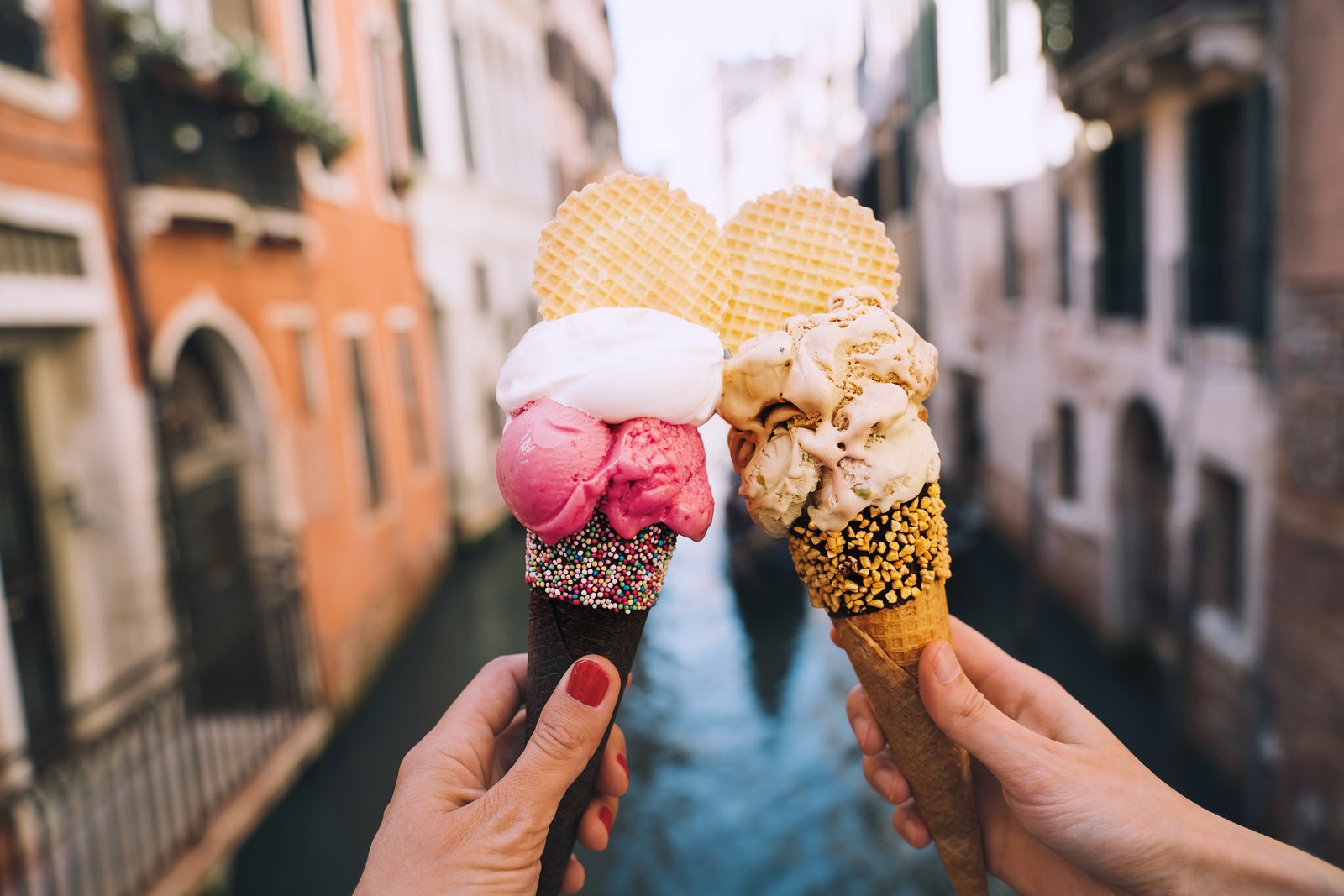
The first time most Americans try real gelato — not the stuff from the freezer aisle, not the scoop at the mall food court — something shifts. It's denser than ice cream but feels lighter on the tongue. The flavor hits immediately and stays. You finish the cup and you want another one before you've even thrown the spoon away.
That's not a coincidence. Gelato and ice cream are not the same thing wearing different names. They are fundamentally different products — made differently, served differently, and designed to do different things in your mouth.
Here's what's actually going on.
American ice cream is cream-forward. Federal regulations actually require it to contain at least 10% milkfat — most premium brands push 14 to 16%. All that fat is delicious, but it also coats your palate and mutes flavor.
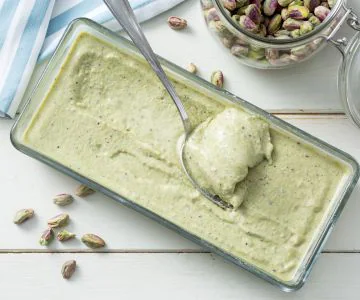
Gelato uses more milk than cream, which means significantly less fat — usually around 4 to 8%. Less fat means the flavor hits your taste buds directly, without a creamy buffer. That's why a pistachio gelato tastes more intensely of pistachio than any pistachio ice cream you've ever had.
When ice cream is churned, air is whipped into the mixture — sometimes doubling its volume. This is called overrun, and it's what gives ice cream that light, fluffy texture. Some commercial ice creams are up to 50% air by volume.
Gelato is churned slower and at a lower speed, incorporating very little air — typically 20 to 30% overrun. The result is a denser, heavier product that's richer in flavor per spoonful even though it contains less fat.
More flavor, less fat, less air. That's the gelato equation.
Ice cream is stored and served at around 0°F — rock solid, straight from the deep freeze. Gelato is served at a warmer temperature, around 10 to 15°F, which keeps it softer and more pliable.
This isn't just a texture thing. Flavor compounds are more volatile — more detectable by your nose and mouth — at warmer temperatures. Serving gelato slightly warmer is part of why the flavor seems to bloom the moment it hits your tongue.
It's also why real gelato doesn't survive the trip home from the grocery store. That "gelato" in the freezer aisle has been hardened to ice cream temperatures and is not the same product.
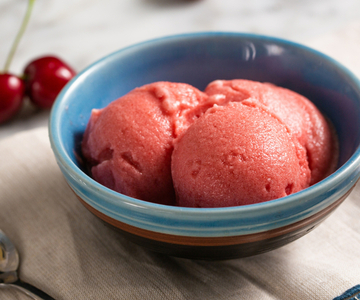
Traditional American ice cream uses egg yolks as an emulsifier — they help bind fat and water and give the base a rich, custardy quality. Most Italian gelato skips the eggs entirely, relying instead on the natural emulsifying properties of milk proteins. The result is a cleaner, brighter flavor — particularly noticeable in fruit gelatos, where egg yolks would muddy the taste.
Some gelato flavors — especially chocolate and custard-based ones — do use egg yolks. But it's the exception, not the rule.
Partly temperature, partly freshness — a good gelateria makes its gelato daily and sells it within hours. But mostly it's the ingredients. Italian gelato tradition demands real pistachios from Bronte, real hazelnuts from Piedmont, real strawberries in season. No artificial flavors, no stabilizer cocktails, no neon colors.
The telltale sign of a good gelateria in Italy? The gelato is stored in covered metal containers called pozzetti, not piled high in colorful peaks designed to catch your eye. Bright, towering mounds of gelato are almost always a red flag — real gelato oxidizes and dries out when exposed to air that way.
If it's flat and covered, it's probably the real thing.
Gelato is actually easier to make at home than ice cream — no egg yolks to temper, simpler base, shorter churn time. The key is using whole milk rather than heavy cream, keeping your mix-ins minimal, and serving it within a day or two of making it.
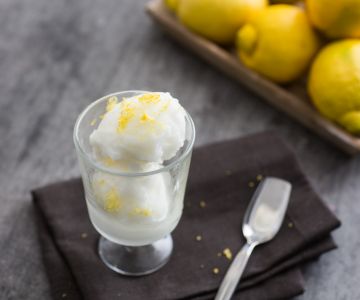
Our recipes cover the classics — Pistachio Gelato, Stracciatella, Hazelnut, Lemon Sorbetto — and a few unexpected ones worth trying.
Ice cream is a great dessert. Gelato is a different experience — denser, more flavorful, lighter on the palate, and deeply tied to the Italian habit of slowing down and tasting what's in front of you.
Once you understand what makes it different, you'll never look at a gelato menu the same way again.