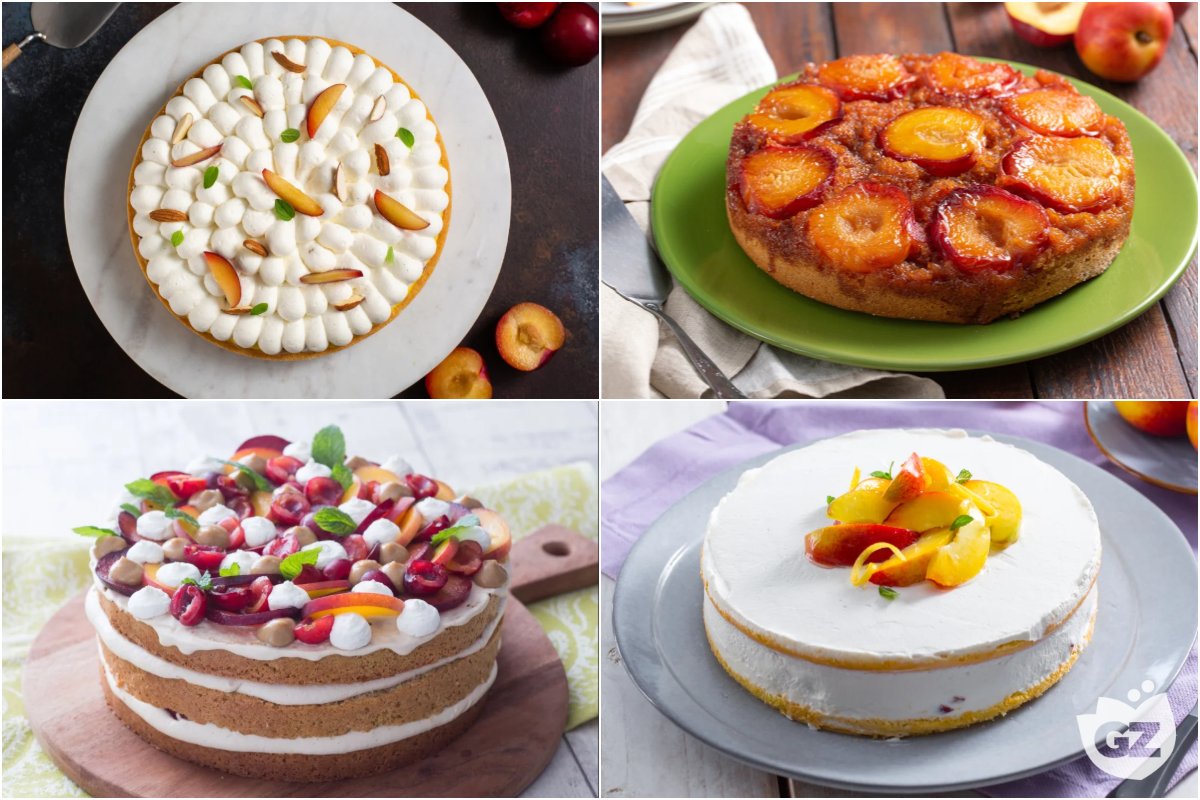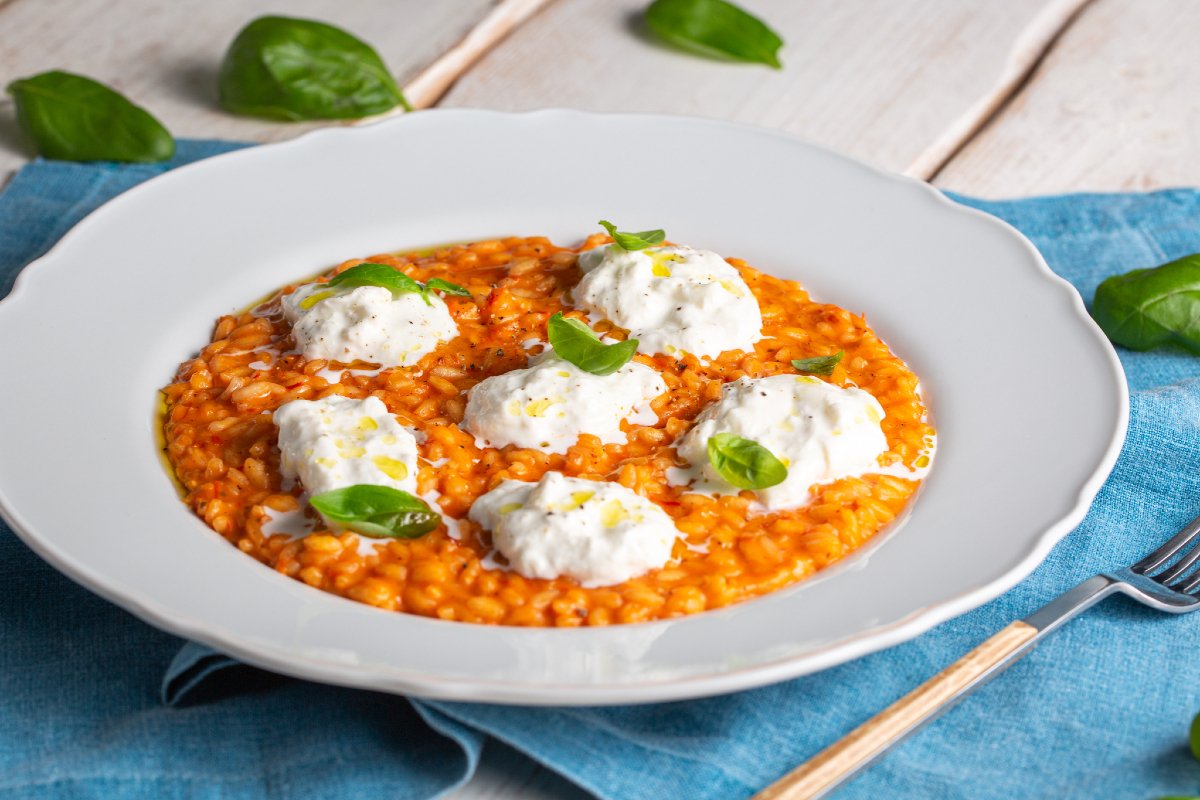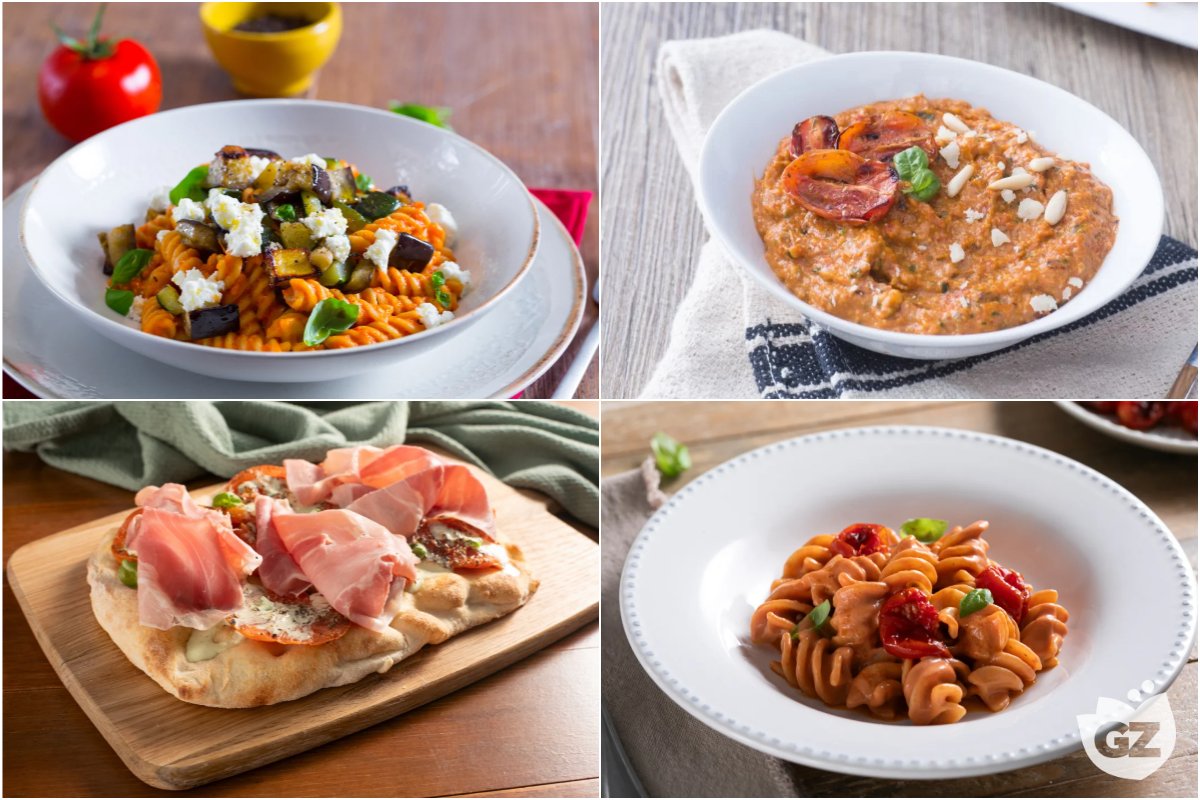
Roasted Tomatoes Change Everything They Touch
What actually happens to a tomato in a hot oven? These five Italian recipes, from a five-ingredient pesto to a Caprese turned soup,…
Italians have been wasting nothing in the kitchen for centuries. These 6 recipes turn vegetable peels, stale bread, and chickpea liquid into something genuinely delicious.
Americans throw away nearly a pound of food per person every single day. Italians have been quietly solving this problem for centuries — not with meal prep apps or zero-waste manifestos, but with recipes that make yesterday's scraps taste better than today's groceries.
Here are six of them.
Before you peel your next potato or carrot, stop. Those skins are the starting point for Vegetable Peel Chips — tossed in olive oil, seasoned, and roasted until crispy enough to serve as an appetizer. They disappear faster than anything you bought at the store.
Pro tip: Wash the vegetables thoroughly before peeling — scrub the skins under running water to remove all dirt and residue. They need to be completely dry before they go in the oven, so pat them down well with a paper towel after washing.
The dark green tops of leeks — the part most people cut off and throw away — are the main ingredient in Leek Farinata, a chickpea-flour flatbread that turns overlooked scraps into something worth making on purpose. Nutty, savory, and ready in under 30 minutes.
Pro tip: Cook the leek tops low and slow before adding them to the batter. They need time to soften completely or they'll stay tough in the finished flatbread.
Every kitchen hits that point where the fridge holds a little of everything and not quite enough of anything. The Italian answer is a Fridge-Clearing Quiche — a savory tart that takes whatever vegetables, cheese, or cooked meat you have on hand and turns them into something that looks intentional. The filling changes every time. The result never does.
Pro tip: Blind bake the crust for 10 minutes before adding the filling. It's the step most people skip and the reason homemade quiche sometimes comes out soggy at the bottom.
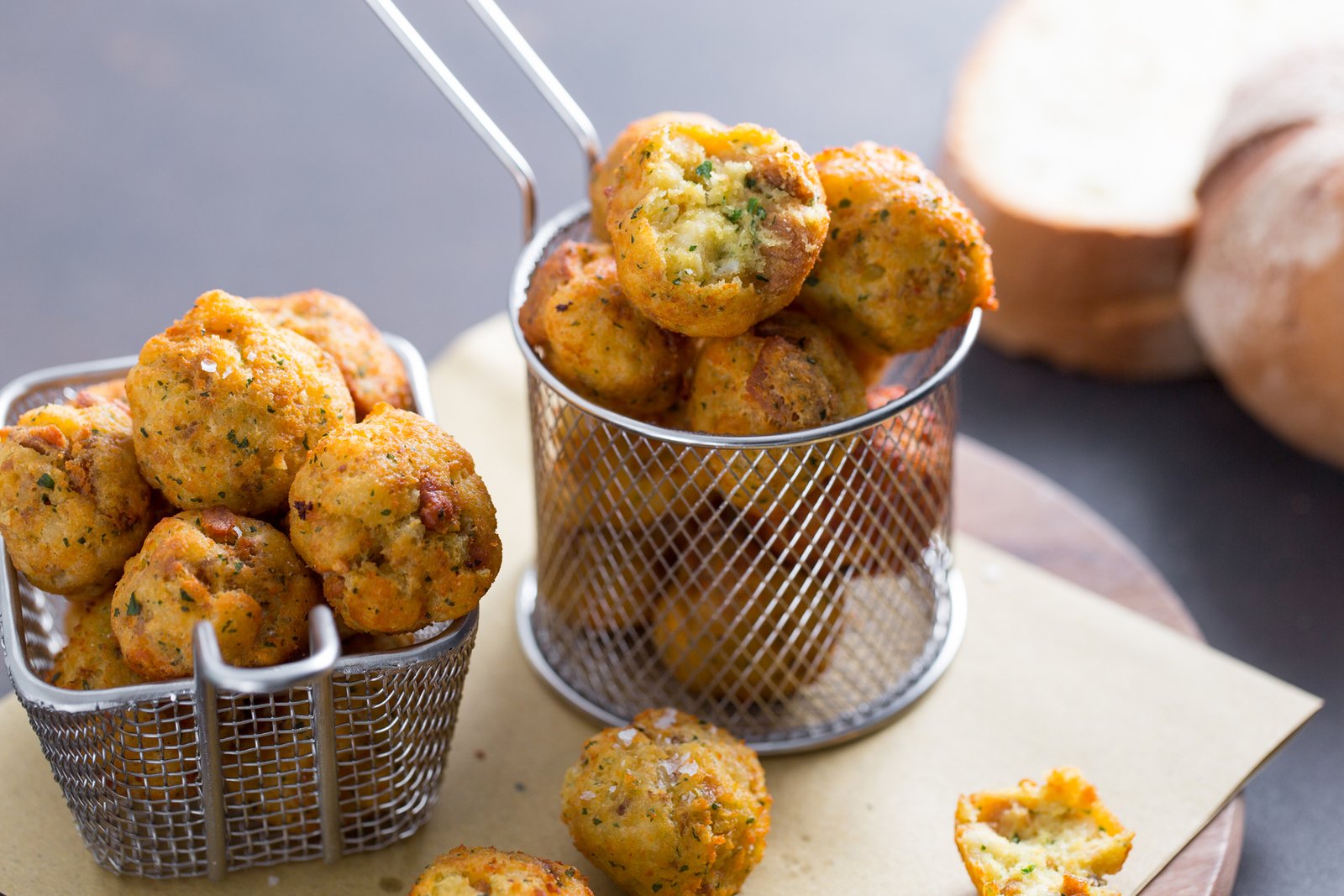
Stale bread is not a problem in Italian cooking — it's an ingredient. Stale Bread Fritters turn day-old bread into crispy, golden bites that disappear faster than anything you spent real effort on. A little egg, a little Parmigiano, some herbs, and a hot pan. Done in minutes, gone in seconds.
Pro tip: The staler the bread, the better it absorbs the egg mixture. If your bread is only slightly stale, leave the slices out overnight to dry further before you start.
Most people drain the liquid from a can of chickpeas and pour it straight down the sink. That liquid — aquafaba — whips up like egg white and makes Vegan Meringues that are light, glossy, and genuinely indistinguishable from the real thing. Save it every time.
Pro tip: Whip the aquafaba in a completely clean, grease-free bowl. Any trace of fat and it won't hold its structure — same rule as regular egg whites.
Most Americans have never thought of making gnocchi from stale bread — but in Italian cucina povera, it's been a staple for generations. Stale Bread Gnocchi come together with day-old bread, egg, and Parmigiano, and they're softer and more forgiving than potato gnocchi. Serve them with brown butter and sage or a simple tomato sauce. Either way, the bread gets a better ending than the trash.
Pro tip: The drier the bread, the better the gnocchi hold together. If your bread is only slightly stale, leave it out uncovered overnight before you start.
Cucina povera — Italy's peasant cooking tradition — wasn't born out of creativity. It was born out of necessity. But somewhere along the way, necessity became some of the best food Italy has ever produced. The scraps were always the point.
Related: Your Air Fryer Can Do a Whole Dinner. Here's the Proof. / You Made the Starter. Now Here's What to Do With It. / Why Italians Always Make Too Much Bolognese. / The Italian Way to Eat Well without Trying Too Hard.