Classic mimosa cake (Cake covered with sponge cake cubes)
Discover why mimosa flowers and Mimosa Cake became Italy’s sweet symbol of International Women’s Day on March 8.
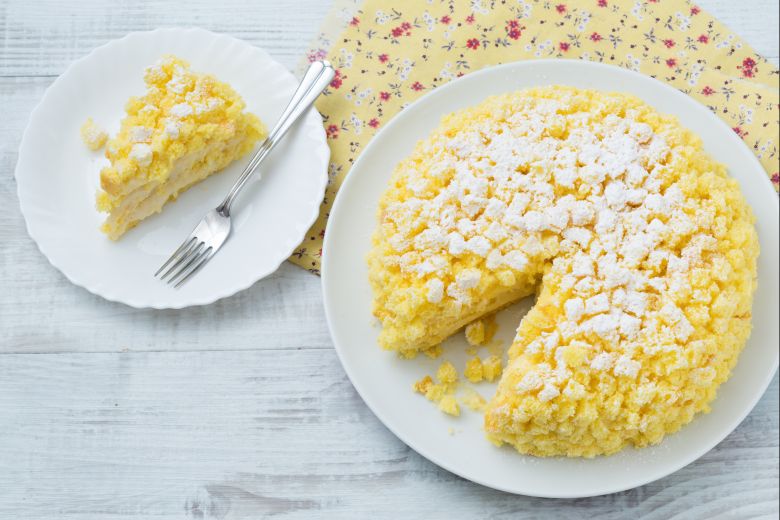
In the United States, International Women’s Day (March 8) is often marked by panels, campaigns, and social media conversations. In Italy, however, the day has a sweet and unmistakable symbol: Torta Mimosa, a soft sponge cake filled with custard cream and covered in golden cake crumbs that resemble mimosa blossoms.
But why mimosa? And how did a cake become the edible symbol of Women’s Day in Italy? Let’s explore the story and how you can make it at home!
International Women’s Day has been celebrated in Italy since the early 20th century, but the tradition of giving mimosa flowers dates back to 1946, just after World War II.
A group of women from the Italian Women’s Union (UDI) were looking for a flower that could symbolize the day. They chose mimosa because:
Unlike roses or other expensive flowers, mimosa branches could be easily gathered and shared. The yellow blossoms quickly became the symbol of March 8 in Italy.
And where there’s a flower, there’s often a dessert.
Torta Mimosa was created in the 1950s and became popular because of its appearance:
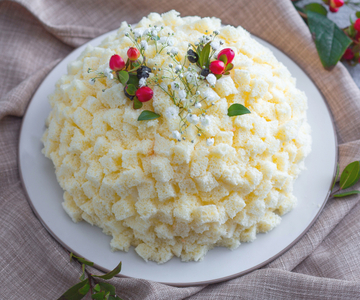
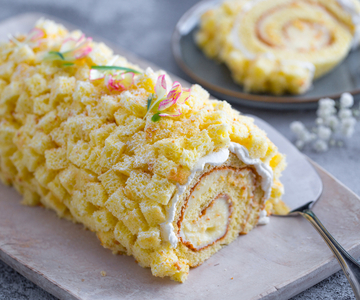
Soft cubes of sponge cake are scattered on top of a round cake filled with pastry cream, creating a fluffy, golden surface that looks just like mimosa flowers.
Over time, it became the dessert served at:
Today, it’s the unofficial — but widely recognized — dessert of Italian Women’s Day.