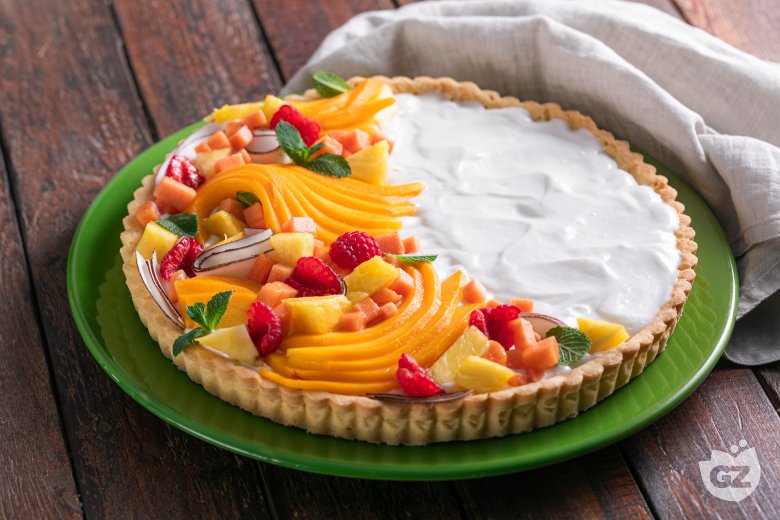


Tropical cake
The tropical cake is a spectacular three-tier dessert, filled with a soft papaya cream and decorated with a wonderful mango rose!
- Average
- 2 h
Tropical crostata is a fun twist on classic Italian baking, pulling in bright flavors from the Caribbean islands. It is got a super crispy shortcrust pastry with that buttery feel Italians love. And look, it's topped with a layer of creamy coconut filling. You get this splash of color with slices of mango, pineapple, papaya, and shreds of coconut all over the top. Really good stuff.
The combination makes each bite sweet and fresh, feeling like a mix between a traditional crostata and a tropical fruit pie you'd find at a beachside party. People who love Italian desserts will appreciate how this tropical crostata uses the same pastry technique but flips the flavors for something a bit more adventurous. And here's the thing, it's not regional from any one part of Italy—more like something you'd find in a modern bakery that loves to play with new ideas. Pretty simple.
At gatherings, a tropical fruit tart like this always grabs attention with its golden crust and the bright fruit on top. Seriously good. Unlike a simple apple crostata from Tuscany, this version feels lighter, cooler and just a little bit extra. So so tasty.
It's amazing how Italian pastry can blend with tropical fruit galette style, especially when you taste the tender coconut cream against the moist mango and tangy pineapple. Some bakers even add a splash of passion fruit or lime to make the flavors really pop. And you know, people love trying their own combos—maybe using papaya one week, then going for a pineapple crostata the next. The kind of dessert that feels both familiar and totally new. Pretty much.
Perfect for warm weather or when you want to bring a little vacation vibe to your day. Every slice brings out the best parts of Italian baking and those sunny, island-inspired flavors that everyone can get behind. It’s a dessert that showcases the creativity and innovation in modern Italian cuisine. Really really good.
You might also like:
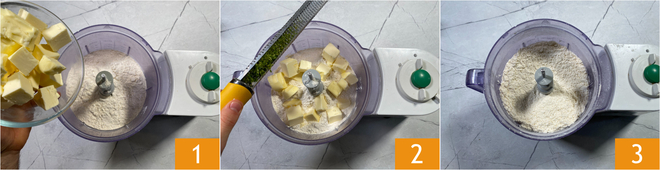
To prepare the tropical tart, start with the Shortcrust pastry: in a food processor fitted with blades combine the flour with cold butter cut into cubes 1 and the grated lime zest 2, then pulse until you obtain a sandy mixture 3.
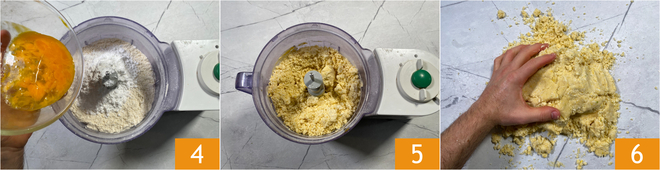
Add the powdered sugar and the eggs 4 and pulse the processor for a few more moments 5. Transfer the mixture to the work surface and quickly knead by hand 6, just long enough to form a dough. Wrap it in plastic wrap and chill in the refrigerator for one hour.
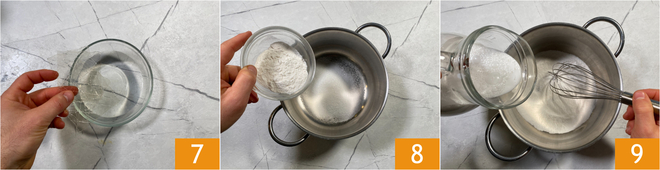
Move on to the coconut cream: soak the gelatin in cold water 7. Mix the rice flour and sugar in a saucepan 8, then pour in the coconut milk while whisking to prevent lumps 9.
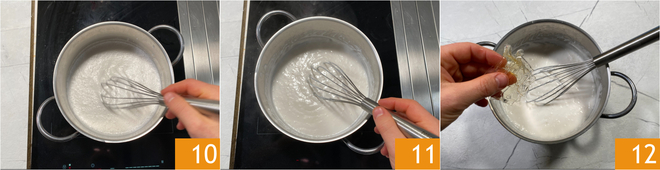
Place over the heat and cook for about 10 minutes, stirring constantly 10; if it begins to boil, remove it from the heat. When the cream has thickened 11, turn off the heat and add the gelatin 12.
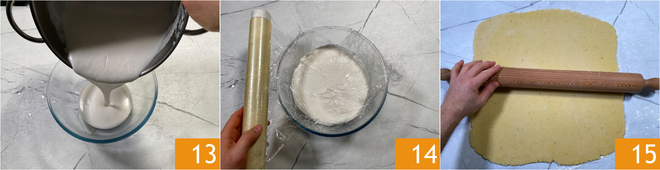
Pour the cream into a bowl 13, cover with plastic wrap directly on the surface and let cool in the refrigerator for at least one hour 14. After the pastry's resting time, roll it out to about 3/16 inch (0.20 in) thickness on a lightly floured surface 15.
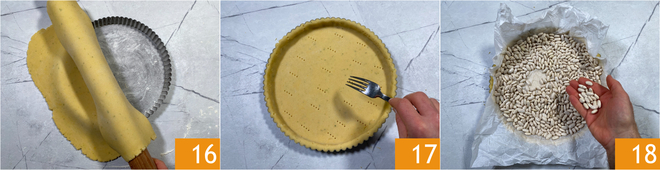
Transfer the dough to a removable-base tart pan with a 10 5/8-inch (27 cm) diameter, buttered and floured 16, then prick the base with a fork 17. Cover with a sheet of parchment paper, add dried legumes (or ceramic pie weights) and How to do blind baking at 338°F for 20 minutes 18.
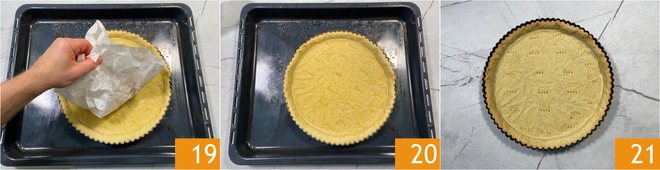
After the baking time, remove the parchment with the weights 19 and continue baking for another 10 minutes at 356°F 20. Remove from the oven and let the base cool 21.
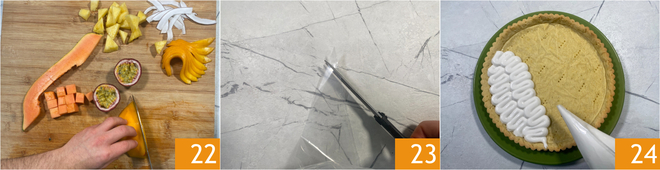
Move on to decorating: clean the fruit, then cut: the pineapple into triangles, the papaya into cubes, the coconut into thin slices with a vegetable peeler and the mango into thin strips 22. Cut the tip of a piping bag on the diagonal 23 and fill it with the cold coconut cream. Then fill the tart base with the cream, creating a decorative pattern 34.
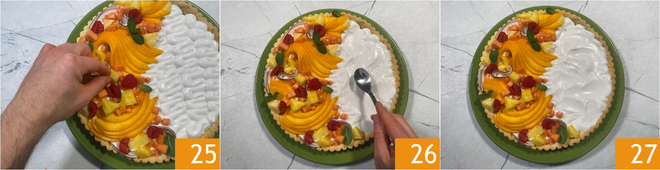
Arrange the fruit pieces on top, including the raspberries and a few mint leaves 25, then give the cream a little movement with the back of a teaspoon 26. Your tropical tart is ready to be served 27!