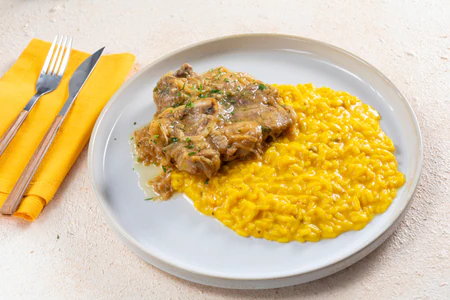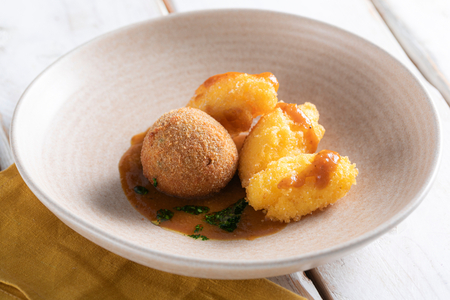


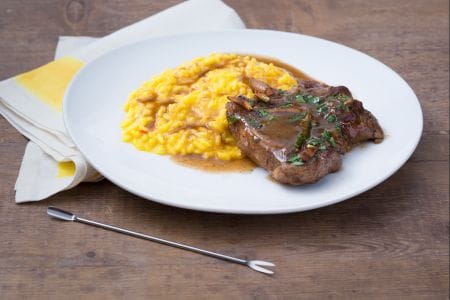
Ossobuco alla Milanese with Yellow Risotto
Tender veal shanks braised to perfection, served with a zesty gremolata. A classic Italian dish that's rich, hearty, and full of flavor.
- Average
- 4 h
- Kcal 1028
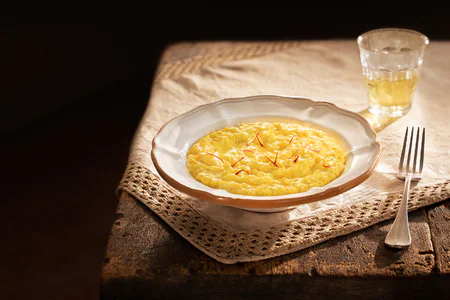
Picture yourself diving into a plate of risotto alla milanese. Really, it is like stepping into Milan, with its rich, golden hue and creamy texture. Even without bone marrow, this dish keeps its luxurious vibe. Deep in Lombardy, the locals adore this saffron risotto for its unique elegance—brought to life by those precious saffron threads.
So, what's the secret? Using Carnaroli rice. You toast it just right, and it becomes tender while soaking up that sweet, fragrant saffron. Seriously good. Chefs from historic spots like Ristorante Boeucc—who've been doing this for centuries—pass down this core of Milanese culinary tradition.
Here's the deal: this traditional Italian risotto is really really different. It’s moist and rich, with no fuss. A last-minute swirl of cold butter—known locally as mantecatura all’onda—ties everything into a velvety masterpiece. And look, some might go for the classic version with bone marrow, but this one skips it. For real, it still delivers an authentic Italian rice dish experience.
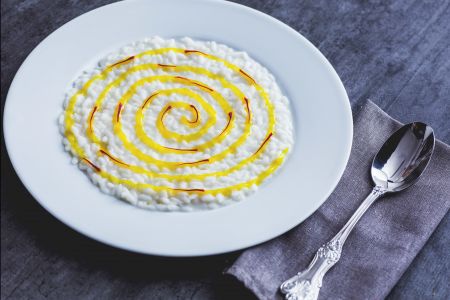
Compared to other delights like Ossobuco or Risotto giallo, this version stays vegetarian. Which is great. Yet it keeps that depth of flavor and golden look you want. The meticulous attention to detail in Milan’s food culture shines through here—whether you're infusing the saffron or finishing the rice. No surprise, whether you call it vegetarian risotto alla milanese or just risotto without bone marrow, it elevates any dinner to something special.
With that tender, creamy bite and gentle saffron aroma in every mouthful, this dish is perfect for those who love the fine nuances of Milanese cuisine. It brings a touch of elegance to your table, making each spoonful a real celebration of flavor and culture. Pretty much, it's a winner.
You might also like:

To prepare risotto Milanese without bone marrow, you should have about 1 quart of classic Beef Broth ready, kept very hot. Clean and finely chop half a white onion 1. In a large pan, add 2 tablespoons of butter 2, then the chopped onion 3. Let it soften over medium heat, stirring occasionally to soften it.

Once browned, you can add the Carnaroli rice 4: the rice will absorb the butter and blend with the onion. When it is toasted and translucent 5, you can deglaze with the white wine 6. Let the alcohol evaporate for a few moments.
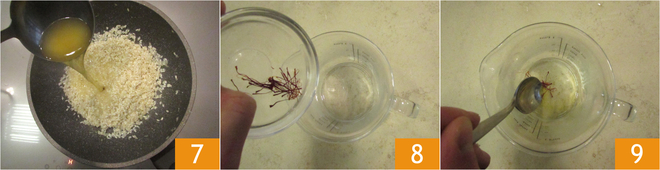
Pour in the very hot broth to cover and continue cooking on high heat, adding hot broth as needed 7. Gently soak the saffron threads in hot water 8, stir slightly to revive them 9.

Three-quarters of the way through cooking, add the saffron threads with the soaking water 10: wait a few moments for them to soften, then stir: they will release their fragrance and color 11. When there is one minute left until the rice is done, remove the pan from the heat, add about 1/2 cup of butter in pieces, very cold from the fridge 12, and stir.

Also add the grated Parmigiano Reggiano DOP 13, stir vigorously 14, so that the very cold butter and cheese create the thermal shock that will enhance the creaminess and shine of the risotto. Serve the risotto Milanese without bone marrow hot 15!