
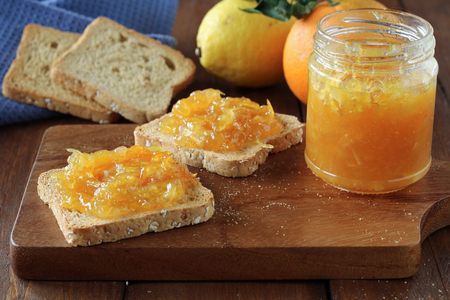
Orange and lemon marmalade
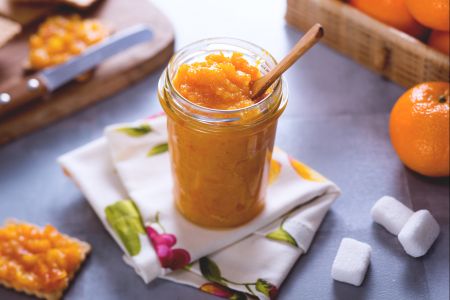
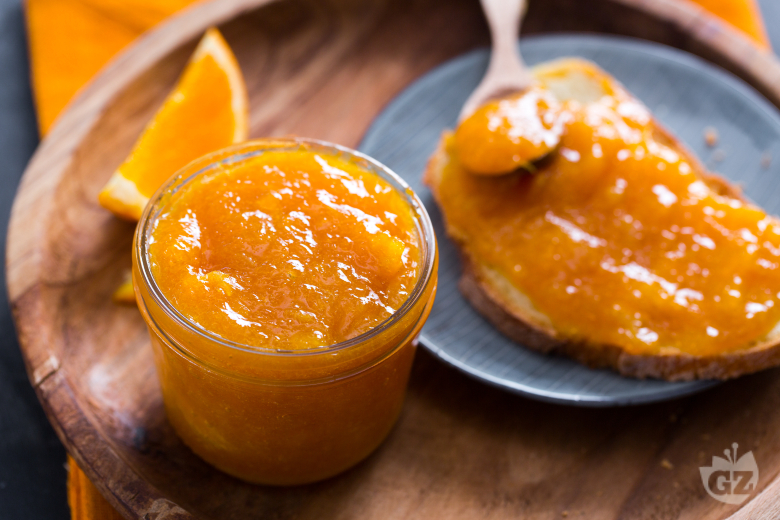
Orange and lemon marmalade is a burst of flavors, perfect for adding a touch of freshness and sweetness to any moment of the day.
- Very easy
- 50 min
Orange marmalade recipe traditions run deep in southern Italy, where sweet oranges just burst with flavor in the middle of winter. Seriously good. Making homemade orange marmalade is a beloved tradition in places like Sicily and Calabria. And the aroma? Fragrant and unforgettable. You can feel it fill the kitchens, right? It’s a cherished way for locals to savor their citrus harvest.
People say this easy orange marmalade makes breakfast extra special. Spread it on some crispy toasted bread or tuck it into a rustic tart. Really, you can't go wrong. Around Christmas, jars of this delight grace tables, sometimes with a pinch of pepper for a little kick. And look, they pair beautifully with hard cheeses on snack boards. Families keep it on hand—pretty much—for a taste of summer even during the chilly months. Plus, there's the bonus of a vitamin C boost.
Down south, you'll find different versions. Some use bitter orange; others blend in lemon or other local citrus. It's all about what's ripe. Incorporating orange marmalade recipe ideas into festive meals or everyday bites brightens the table in southern Italy.
Folks mix a spoonful into a whole-grain sandwich, where the tangy marmalade complements salty cheese or roasted meats, transforming a simple lunch. Which is great. There’s also a tradition of using this fruit spread in various desserts, like tarts or cookies. And it adds that moist and golden touch that only good preserves can provide.
Italian families take pride in their citrus preserves, often passing down tips for the best orange marmalade from one generation to the next. It's not just something to slap on toast—it is a reminder of sunny groves and family gatherings. Thing is, the effort put into crafting orange marmalade at the peak of the season makes it truly special. No matter how you enjoy it, the mix of sweet and tangy flavors makes this marmalade a staple in Italian kitchens. And you know what? There's real joy in opening a jar long after the orange season has ended.
You might also like:
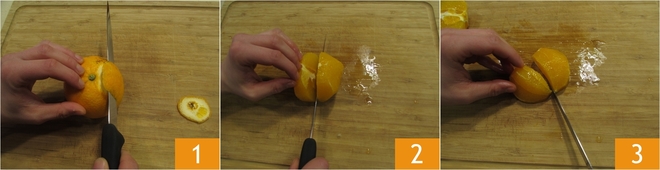
To prepare the orange marmalade, start by sanitizing the jars and lids, referring to the Ministry of Health guidelines at the bottom of the recipe. While the jars are boiling, begin the preparation: first, peel the oranges completely 1, removing all the white parts 2. Then divide the pulp of each orange in half 3;
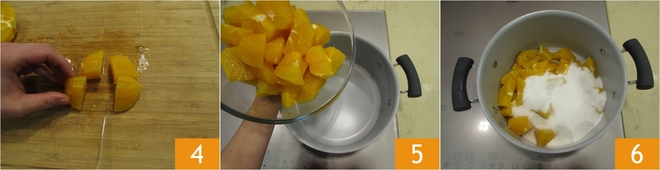
cut each half into 4 pieces 4. Repeat this operation for all the oranges until you obtain 2 lbs of orange pulp. Then transfer it to a pot 5 and add the sugar 6.
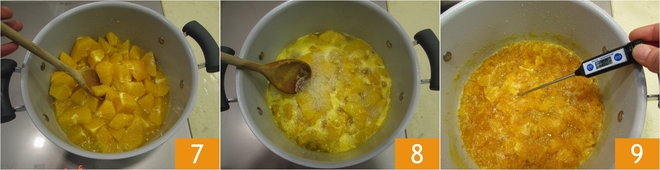
Place on medium heat and as soon as the sugar has dissolved 7 and the pulp has started to break down, lower the heat. Let it simmer, stirring occasionally 8. Using a food thermometer, measure the temperature of the orange marmalade and as soon as it reaches 226°F 9, turn off the heat; it will take about 60 minutes.
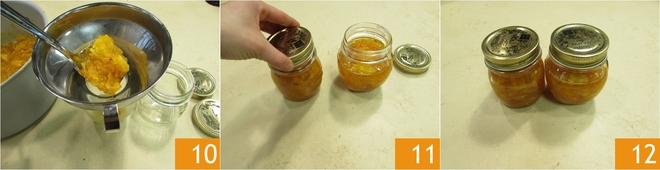
Using a funnel, transfer the hot marmalade into the jars 10, then clean the edges if they have gotten dirty and close with their lids, tightening rather vigorously 11. Turn the jars upside down and let them cool this way before turning them upright again 12. Once the jars have cooled, check if the vacuum seal is intact: you can press the center of the lid, and if you don't hear the classic "click-clack," the vacuum seal is successful. Your orange marmalade is ready, wait a few days before enjoying it!