
How to cut Sponge Cake
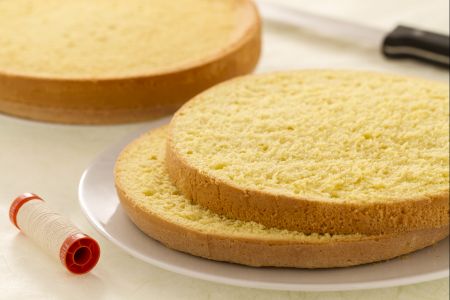
With the cooking school, you will learn two effective methods to achieve a precise cut of the sponge cake using a knife or a nylon thread.
- Easy
- 10 min
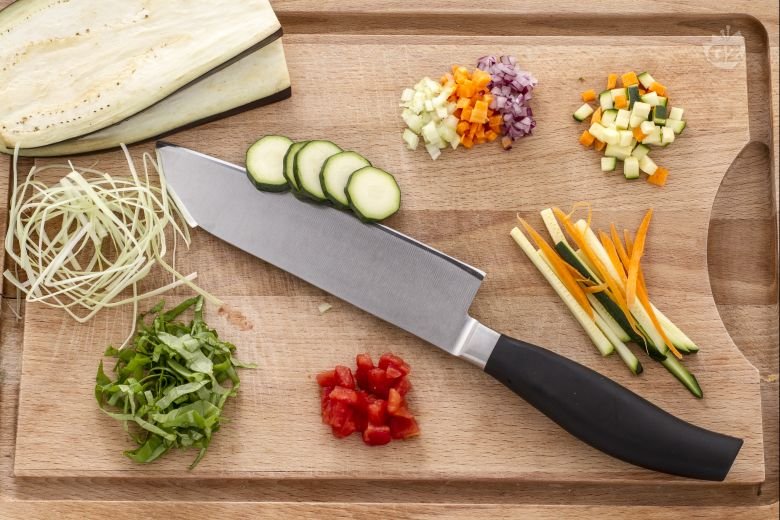
And learning how to cut vegetables is a big deal in Italian kitchens. And look, it's not just about making them look nice. It is about the tender texture and even cooking, which makes every dish super tasty. Techniques like julienne, chiffonade and brunoise? They are not just for chefs—they're essential for classic Italian meals. With a well-sharpened knife and some practice, anyone can nail these vegetable cutting techniques. Really, the secret is in using the heel of the blade for control. For real, it ensures safety and gives you those even, crisp slices that make your plate pop. Some folks find it relaxing once they get into the rhythm, ending up with veggies that not only cook perfectly but also look fresh and bright—like a good Italian meal.
Getting the hang of knife skills for vegetables is all about practice. And you know what? Following a few simple tips helps, too. Italian cooks often say, keep your fingers tucked in, make sure your cutting board does not slip, and start slow—speed comes later. Chopping isn’t a race; it’s about achieving nice, moist pieces that cook evenly. Plus, they absorb flavors way way better. Different cuts, like julienning for a salad or fine dicing for a sauce, really help bring a dish together. And you'll notice regional differences, too. In Northern Italy, cooks might favor chunkier cuts, while in the South, super-thin slicing is super super common for dishes like eggplant or peppers.
Spending a little extra time on these vegetable cutting techniques can make home cooking feel special. It's pretty cool when your veggie prep starts looking clean and professional, even if it's just a simple meal. Mastering these techniques gives you confidence, and soon, it's like second nature in the kitchen. Whether you're prepping for a big family dinner or a quick weekday meal, having solid cutting skills makes your cooking experience enjoyable and efficient. Seriously good stuff.
You might also like:
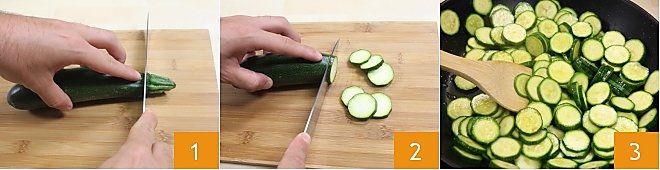
THE RONDELLE CUT The rondelle cut is usually used for cutting vegetables that have a narrow and elongated shape (such as zucchini or cucumbers) and is ideal for pan cooking because the limited thickness of the slices allows for faster and more even cooking. Let's see how to do it. Wash and dry, for example, a zucchini, place it on a cutting board, and remove the ends 1, then proceed to cut it into more or less thin rondelle depending on the recipe you need to prepare 2: thicker if you need to sauté them in a pan 3, thinner if you use them to prepare an omelet.
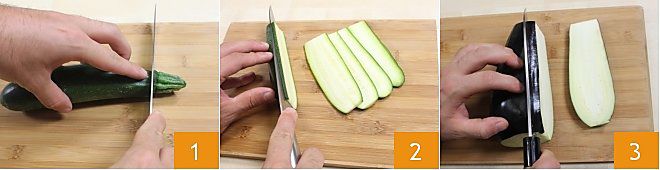
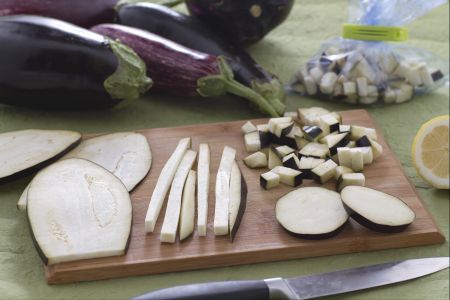
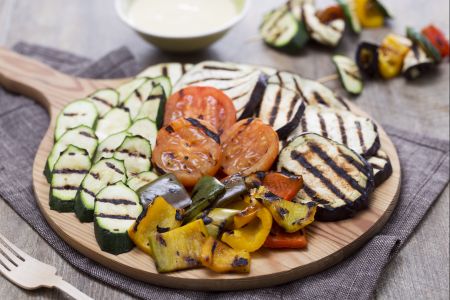
THE THIN SLICES CUT This cut is usually used for grilling preparations and is done by cutting the vegetable along the grain to prevent the slices from falling apart during cooking. Let's see how to do it. Wash and dry, for example, a zucchini or an eggplant, place them on a cutting board, and remove the ends 1, then with a well-sharpened knife, cut them into slices along the length (2-3), obtaining long, thin slices.
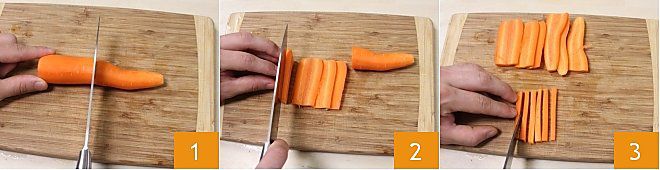
THE STICK CUT Cutting vegetables into sticks is particularly suitable for wok cooking. To achieve this cut, you start from the thin slices cut. Let's see how to do it. Wash and peel a carrot, then place it on a cutting board and divide it in half 1, cut each half into thin slices along the length 2, then cut each slice into sticks about 1/4 inch wide 3.
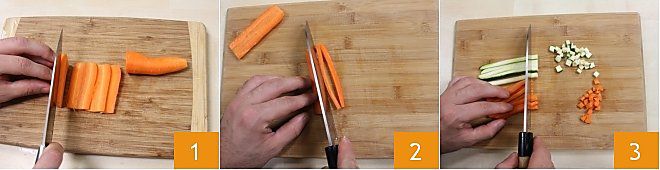
THE BRUNOISE CUT The brunoise cut consists of obtaining small vegetable cubes, about 1/12 inch per side, starting from the stick or julienne cut, and is ideal for preparing cooking bases or using as decoration for dishes. Let's see how to do it. Starting from the slices cut 1, obtain sticks 2, and then reduce the sticks into very small cubes about 1/12 inch per side 3.
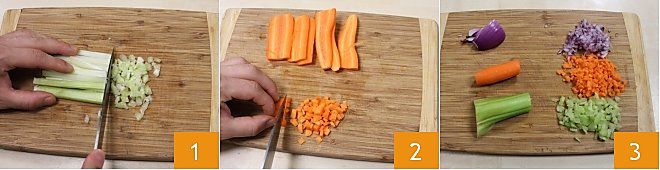
THE MIREPOIX CUT The mirepoix cut refers to the dicing of celery, onion, and carrot, a mix usually used for the preparation of soffritto. This cut is named after its creator, the Duc de Lévis-Mirepoix. Let's see how to do it. To prepare the mirepoix cut, proceed by dicing celery, carrots, and onions, obtaining the classic soffritto mix (1-2-3).
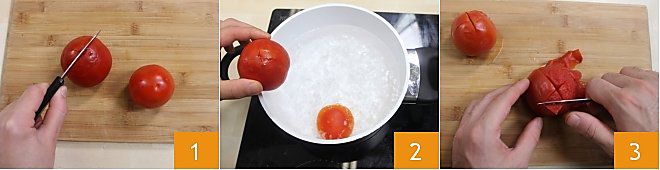
THE CONCASSER CUT The concasser cut is a type of cut used to chop blanched vegetables, particularly tomatoes. Let's see how to do it. Take the tomatoes and make a cross incision on the bottom of each one 1, then plunge them into boiling water, letting them cook for a few seconds 2, drain them, and immediately place them in plenty of cold water to cool them more quickly. Then remove the skin with the help of a knife; thanks to the previous cut, it will be much easier to peel them 3.
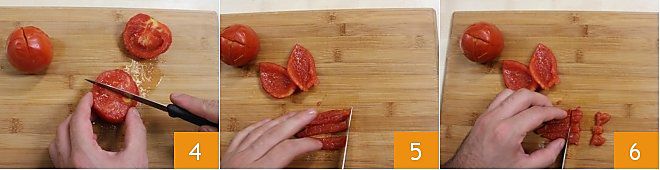
Cut the tomatoes in half and then into quarters, then remove all the seeds 4. Cut each tomato into strips about 1/5 inch per side 5. At this point, you can make cubes 6 that will be useful for preparing sauces, bruschetta, or decorations.
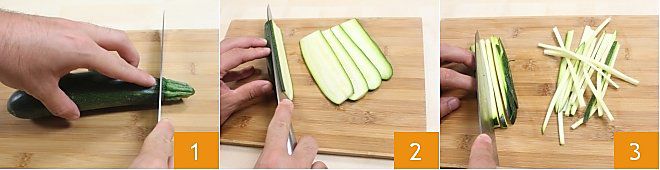
THE JULIENNE CUT The julienne cut consists of making slices about 1/12 inch thick, from which you derive strips of the same thickness. This cut is usually used to enhance preparations such as mixed salads. Let's see how to do it. Wash and dry a zucchini, for example, and place it on a cutting board. Remove the ends, then make the thin slices cut 2 and reduce each slice into very thin, square-section fillets 3. To speed up operations, you can stack the obtained slices and proceed normally with the cut.
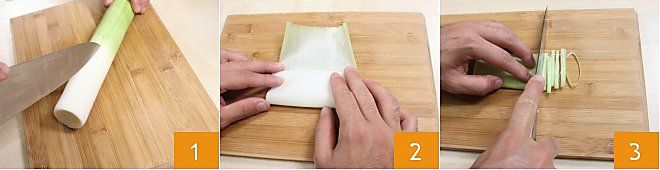
THE CHIFFONADE CUT The chiffonade cut allows you to cut leafy vegetables into perfect strips, and this cut also serves to make even simple salads perfect. Let's see how to do it. The chiffonade cut can be used for wide-leaf vegetables, such as chard or lettuce, and it is perfect for leeks as well. In the case of the latter, remove the ends and cut the stalk to obtain the leaves 1, fold the obtained leaf into three parts 2, and cut thin strips that will be perfect for decorating salads, savory pies, and soups!