

How to clean cuttlefish
Cleaning cuttlefish is often considered a not too easy task, but by following these tips, it will be simple and within everyone's reach.
- Average
- 20 min
- Kcal 362
Asparagus gets tons of love in kitchens every spring, and not just for its tender bite. It’s packed with vitamins and fiber. Really good stuff. This veggie's been around since ancient Mesopotamia and shows up in old Egyptian and Roman food tales. Yet, it’s still a favorite in all sorts of tasty meals. So many types out there! Wild asparagus, for instance, has a stronger taste—really really bold—and goes well in omelettes or soups. Meanwhile, the more common green or white spears can work in everything from salads to pasta. No matter which kind you pick, knowing how to clean asparagus is key, since those little tips and stalks can hold dirt or sand. Which is great to avoid.
For anyone who wants food that tastes fresh and crisp, getting the cleaning asparagus part right totally matters. Main thing? Rinse the spears under cool running water. Pay attention to those delicate tips where grit likes to hide. Some folks even suggest swishing them in a big bowl of water for extra clean results. Pretty simple. You might also hear about snapping off the woody ends—just bend the stalk and it breaks naturally where it goes from tough to moist. And easy to eat. There are several asparagus cleaning methods, but the basics are simple: wash, trim, and maybe peel if the stalks are thick. All these steps help keep the flavor light and sweet, so your dishes don’t get that gritty bite. To be honest, these little kitchen tips ensure your washing asparagus routine is quick and easy. You’ll be set for anything—grilling, steaming, or just tossing spears in a salad. Getting the hang of preparing asparagus this way keeps it at its best and ready for any meal, not just as a boring side but as a real star on the table. And look, whether you're a seasoned chef or just someone who loves good food, knowing how to clean asparagus properly can really make all the difference in your cooking adventures.
You might also like:

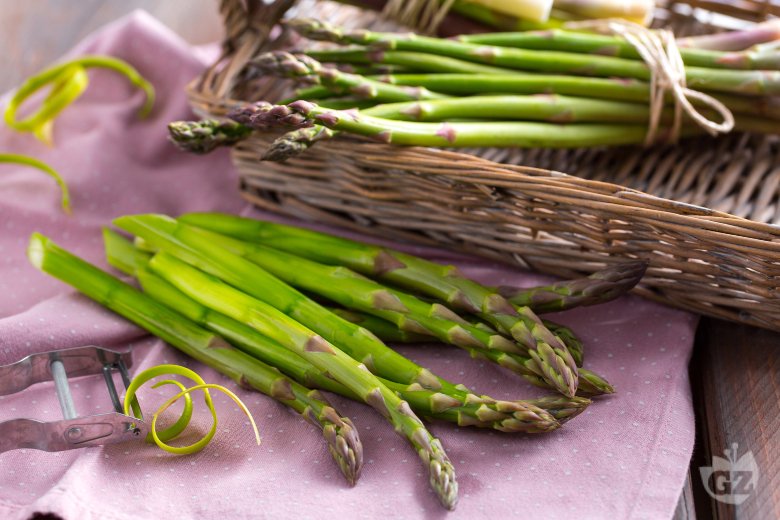
The four main types of asparagus follow the same cleaning process 1. In this case, we used the Green variety. Free the asparagus from rubber bands and remove any rotten stalks or asparagus with damaged tips 2. Then start washing the asparagus thoroughly under running water 3.

Lay them on a cloth and dry them well with kitchen paper 4. Remove the harder white bottom part, trimming them to promote even cooking 5. To know how much stem to remove, you can bend the asparagus, which will break at the junction between the tough part and the more tender part. Start peeling the asparagus with a potato peeler or gently with a small knife, proceeding vertically from top to bottom until the stem is white, removing the green fibrous part 6. Wild asparagus are very tender and thin and do not require peeling.

If you want to use asparagus for pasta or risottos, you can proceed to cut them raw to then use them in different preparations. Then cut off the tips 7: you can leave them whole or halve them 8. Then cut the stem into small rings 9. You will have your asparagus ready to flavor many recipes. You can sauté them in a pan with a drizzle of oil and water as needed until golden, so they will remain crunchy.
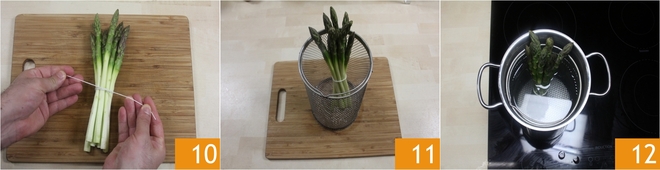
If you prefer to cook them for other preparations or to use them whole as a side dish, proceed to boil them: start by tying the asparagus in a bunch with a kitchen string so they won't scatter and stay vertical 10. Place them in the basket of an asparagus pot 11 that you have filled 2/3 with water and brought to a boil. You can salt the water to your taste. The asparagus tips, the most delicate part, should remain out of the water because the steam will cook them 12. You can choose to close the asparagus pot with a lid. For cooking, you can adjust according to the diameter of the stalk: for medium-sized asparagus, 8-10 minutes will suffice, in any case, before draining them, try piercing the tips with the tines of a fork: they will be ready when they are tender but still firm. The cooking times will vary based on the thickness of the stem.

Then drain the asparagus and let them cool slightly before using them 13. If you don't have an asparagus pot, you can cook the asparagus, even without tying them, in a very wide pot: once cleaned, place them horizontally in the water when it starts to simmer, taking care that it covers them entirely and doesn't reach an excessive boil, otherwise the tips will fall apart 14. Drain them using a slotted spoon when they are still firm and crunchy 15. You can also steam them: bring the water to a boil, place the asparagus on the basket, cover with the lid, and cook for 15-20 minutes, depending on the size. Once ready, you can enjoy them following the recipe for Asparagus Milanese. Finally, you can enjoy your asparagus raw: peel the stems with a vegetable peeler to make them thin, season with oil, salt, and pepper. Alternatively, you can cut the asparagus as shown in the raw process or blend them for various preparations. Discover all our asparagus recipes.