
Truffle fettuccine
This gourmet pasta dish combines al dente fettuccine with a rich, creamy truffle-infused sauce, perfect for special occasions or a weeknight treat.
- Easy
- 30 min
Truffles from Piedmont, Italy, are seriously treasures of the culinary world. I mean, they're known for their delicate aroma and distinctive hazelnut notes. Really, these underground fungi, often called the "magic sculptures of the earth," are super super prized. Knowing how to clean truffles is really essential, especially with the esteemed tartufo d’Alba. Thing is, the cleaning process for white truffles is super gentle; you should never wash them with water. Instead, just use a soft brush to remove soil, preserving their tender surface and rich earthy scent—gotta love it. Black truffles, or tartufo di Norcia, can handle a quick rinse in cold water. Both types need a final brushing to ensure no dirt messes with their sweet, funky flavor that's so so valued.
When it comes to cleaning fresh truffles, the goal is to keep their natural goodness without altering their unique vibes. In Piedmont, white truffles are reserved for simple yet elegant dishes like poached eggs or risotto. Or even shaved raw over pasta. And listen, this lets their moist richness really shine. Black truffles, with their more robust flavor, are usually added towards the end of cooking in warm dishes, boosting each bite with an earthy intensity. Once that careful brushing is done, storing them right is key. Truffle storage tips include wrapping them in paper towels, changing the towels daily, and keeping them cool to retain their aroma. Also, avoid too much moisture and never seal them tightly—really important. That's part of why Piedmont’s truffles have such a stellar rep. Whether you're learning how to clean truffles or just enjoying a crispy truffle shaving on your eggs, every part of this tradition reflects the care and passion of Piedmont’s culinary scene. It's pretty much what makes truffles so special and revered in gourmet food. For real.
You might also like:

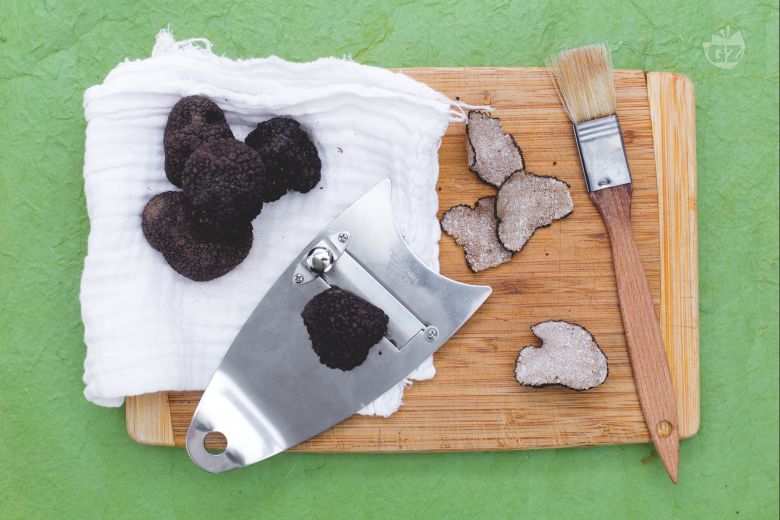
To store the truffle you have purchased or received as a gift, you can keep it for a few days in a perfectly clean and dry glass jar. To retain all its fragrance, it is necessary to maintain a correct level of humidity inside. For this purpose, it is recommended to wrap it, without washing it, with dry, clean gauze 1, or with kitchen paper or a piece of fabric without laundry odors. The important thing is that it is wrapped with breathable material that allows oxygen exchange. Then place it in a dry, clean glass jar 2, close the lid 3, and store the jar in a cool place, even on the least cold shelf of the refrigerator, for about a week.

When it comes time to use the truffle in your preparations, if it is a black one, rinse it under cold running water to remove excess dirt 4 and clean it thoroughly by removing all impurities using a brush or a semi-hard bristle brush (if it's a white truffle, you can use a brush with very soft bristles) 5. Once this is done, the truffle will be ready to be thinly sliced with the special truffle slicer 6, to season first courses, eggs, or flavor tender fillets!