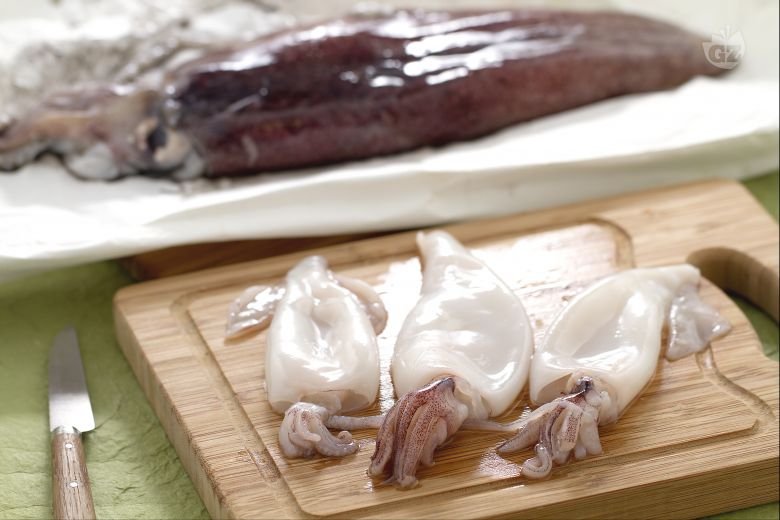


Stuffed Squid
Stuffed squid is a classic seafood main course with a Mediterranean flavor, made with simple and tasty ingredients: discover the recipe!
- Average
- 60 min
If you love Italian seafood, knowing how to clean squid is absolutely essential, especially when you’re diving into fresh calamari from the Mediterranean. And look, in places like Sicily and along Italy’s stunning southern coast, making sure your seafood is as fresh as possible is like a way of life. Really. When picking calamari, folks focus on the bright, intense color of the skin—this shows it's ready for cleaning and promises that tender texture that's just perfect for fried calamari or even those slow-cooked stews. Recognizing the difference between true calamari and totano by their fin placement is key—really, it changes the taste and moist texture once served.
And the ink? It’s often saved for special dishes like risotto al nero di seppia, where its dark, rich flavor adds something truly unique. In Italian kitchens, mastering how to clean squid is kind of like a rite of passage. It’s more than just removing skin and insides; it's about respecting every part of the seafood, even saving that precious ink. This squid cleaning guide keeps things simple—just the way it should be—so you dodge any rubbery or off flavors. Italians usually rinse the squid well to keep its sweet and tender nature intact. You know, that’s why Mediterranean-style calamari is so loved—whether fried, stuffed, or stewed.
And here's the thing, cleaning right before cooking is key. Freshly cleaned squid for cooking really enhances the flavors. Once you master these classic squid cleaning techniques, cooking seafood at home can feel like a mini trip to the Mediterranean. Really, especially when you nail those golden, crispy rings or a hearty, savory stew. It’s all about embracing the simplicity and freshness of Italian culinary traditions—making your dining experience really really memorable.
You might also like:
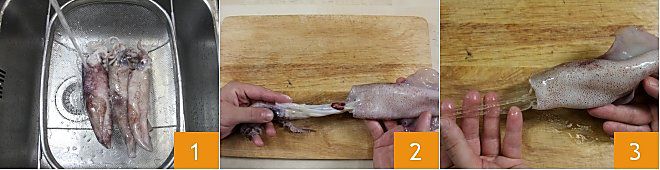
Cleaning fresh squid is a simple operation. All parts of the mollusk can be used, so once detached from the main body, keep them aside. Start by rinsing the squid under running water 1, then with your hands, gently detach the head from the mantle and set it aside 2. Once the head is removed, again with your hands, look for the transparent cartilage quill inside the mantle and gently remove it 3.
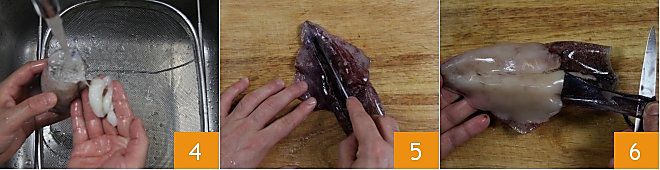
Pass the squid under running water once more, wash it thoroughly and use your hands to remove the innards from the mantle 4. If the squid has an ink sac and you want to use it in cooking, find the sac in the mantle cavity, drain the liquid and store it in a small bowl, while you can discard the innards. Then proceed to remove the outer skin: use a small knife to cut the end of the mantle just enough to grab a piece of the skin 5 and pull off the coating completely with your hands or with the help of a small knife 6.
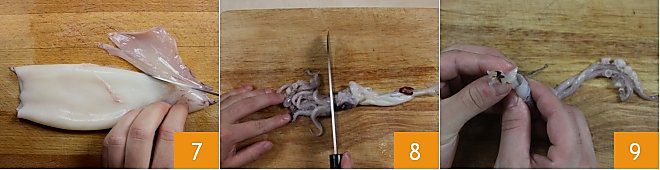
To finish cleaning the mantle, again with a small knife, remove the fins to use them in preparations 7. Now take the head that you had set aside and separate it from the tentacles by cutting just below the eyes with a small knife 8. Take the tentacles and remove the central beak in this way: open the tentacles outward with your hands and push up the central part (i.e., the mouth) 9. If the squid is large, you can avoid separating the head from the tentacles: just remove the eyes and extract the beak from the squid.
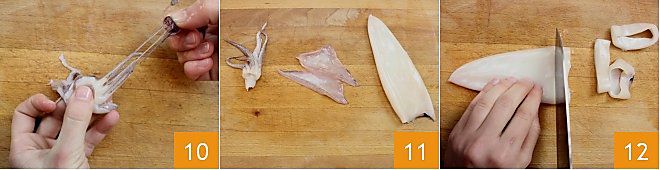
At this point, use your hands to peel the skin off the tentacles 10. Rinse all the cleaned parts of the squid thoroughly under running water, so they are ready to be cut according to the preparations you choose 11. Start with the mantle, which can be left whole if you decide to prepare stuffed squid. Alternatively, for frying, it can be cut into rings with a knife. If the squid is very large, we recommend making rather thin rings to facilitate cooking 12.
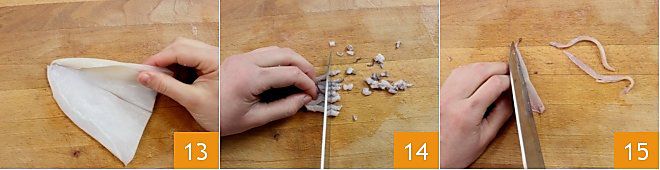
If, instead, you prefer stewed squid, you can open the mantle like a book: use a knife to cut the end and slide the blade along the entire length 13. The tentacles can be left whole or chopped to add them to the preparations 14. The fins can also be cooked: slice them into thin strips and add them to the recipe 15. The cooking times for squid depend not only on the usage but also on the size of the mollusk. It is advised not to cook squid for too long, to avoid it becoming rubbery.