

Risotto with Savoy cabbage, speck, and fontina
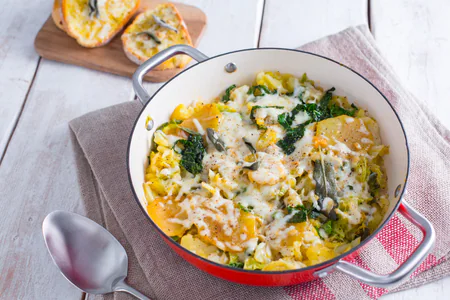
The risotto with Savoy cabbage, speck, and fontina is a creamy and succulent first course, ideal to prepare during the cold winter for a tasty treat!
- Easy
- 1 h 10 min
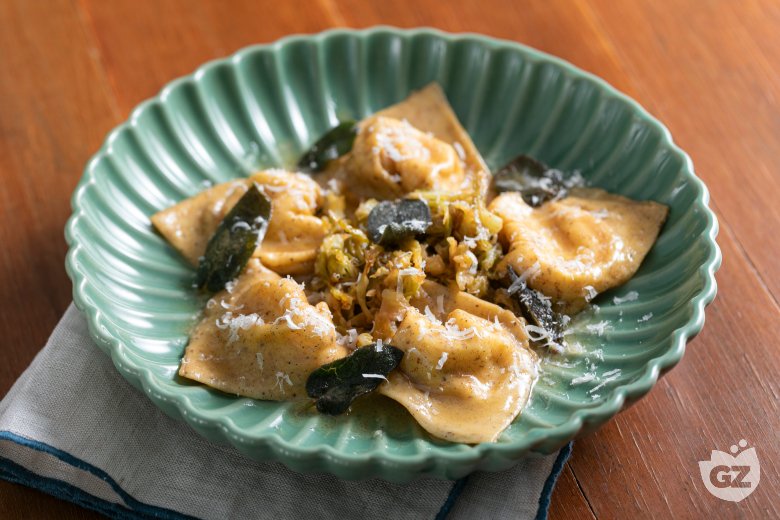
Cappellacci with cabbage and cheese—really a highlight of Lombardy’s mountain food. Especially in Valtellina, folks there, they know how to handle winter vegetables and cheeses. This cappellacci recipe takes its cues from classic Valtellinese dishes like pizzoccheri, using that special buckwheat flour in the pasta dough. Gives it this nutty, kinda rustic flavor, you know? So... You get pasta that’s a bit heartier than the usual stuff. Pretty simple. Perfect for holding a rich cabbage and cheese filling. Savoy cabbage brings a soft bite and just the right touch of sweet earthiness. Then there’s this dreamy mix—creamy ricotta, stretchy fontina, sharp Grana Padano—all melting together inside the pasta. Turns out melty, smooth, and super comforting when you cut into it. Seriously good.
Northern Italians love finishing their homemade filled pasta with burro nocciola, or brown butter—which adds a toasty smell and a deep taste. Sometimes they throw in a bit of sage or mountain herbs, you know? Freshens things up, doesn’t overwhelm. And listen, what’s cool about this dish? It folds in modern twists—like aglio confit, which is slow-cooked garlic. Sneaks in a soft sweetness that balances out the salty cheese and hearty greens.
The result? A plate of Italian stuffed pasta that feels both old and kind of new at the same time. On cold days, or whenever you want food that feels a bit special, cabbage and cheese pasta like this is just the thing to warm you up. People who know regional Italian cuisine will spot those alpine touches right away. And look, even if you’re just a fan of savory pasta fillings, these cappellacci are worth a spot at any dinner table. What makes this dish different is the blend of traditional and modern elements.
The aromatic herbs and the richness of the cheese create a harmony that’s both nostalgic and fresh. It’s a meal that brings a slice of the Italian Alps to your kitchen—perfect for impressing guests or enjoying a cozy night in. Whether you’re craving something familiar or looking to try something new, these cappellacci offer a really good taste adventure. So gather around, savor the flavors, and enjoy the comforting warmth of this northern Italian specialty. It’s a dish that promises to warm hearts and satisfy taste buds, making it a must-try for any pasta lover. For real.
You might also like:
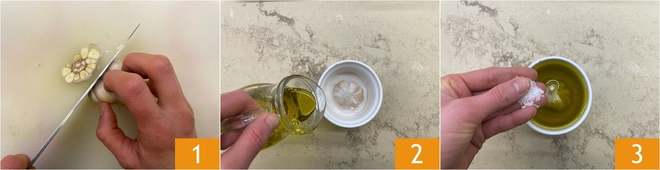
To prepare the cappellacci with savoy cabbage and cheese, start with the confit garlic: cut the base of the garlic bulb 1, place it in a small ovenproof cocotte, cover it with olive oil 2 and salt it 3.
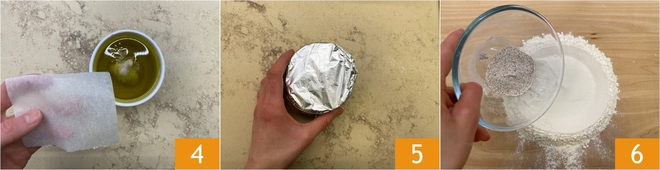
Now wrap the cocotte first in parchment paper 4 and then in aluminum foil 5. Bake in a convection oven at 300°F for 45 minutes. Meanwhile, prepare the fresh pasta: on a work surface, pour the all-purpose flour and buckwheat flour 6.
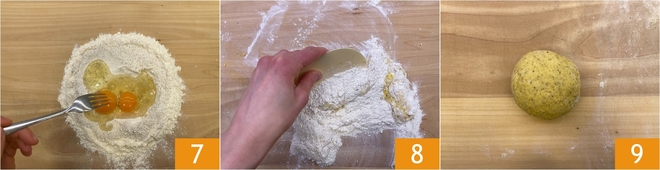
Mix the flours and form a well, then pour the 2 whole eggs in the center. Mix the eggs with a fork to combine them 7, then gradually incorporate the flour using a dough scraper 8. Once the flour is gathered, knead by hand vigorously until you get a smooth, lump-free ball 9. Wrap it in plastic wrap and let it rest at room temperature for 30 minutes.
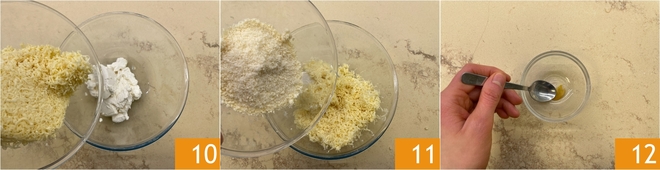
Move on to the filling: in a bowl, pour the well-drained ricotta, grated fontina 10, and grated Grana Padano 11. Now take the garlic cooked in the oven, drain it from the oil and peel it: the cloves should be very soft. Mash one clove with a teaspoon to turn it into a cream 12.
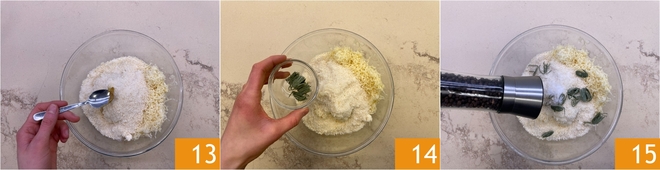
Add the mashed confit garlic to the filling 13, then complete with chopped sage 14, salt, and pepper 15.
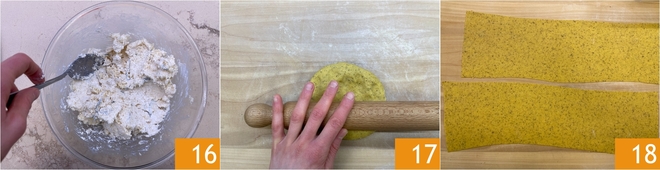
Mix everything to obtain a homogeneous mixture 16, transfer the mixture to a piping bag without a nozzle, and keep it in the fridge. After the pasta resting time, take the dough ball and divide it into 2 parts. Flatten the dough first with a rolling pin 17, enough to obtain a sheet that can pass between the rollers of the pasta machine. Roll out the pasta passing from the thickest roller down to a thickness of 1 millimeter 18. After rolling out the first sheet, be sure to cover it with a damp cloth to prevent it from drying out while you work on the second.
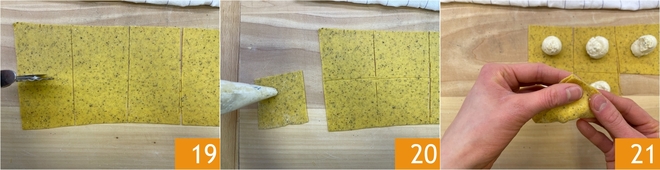
Use a smooth wheel to cut out 2.5-inch squares of pasta 19, then squeeze a dollop of filling in the center 20. Spray the edge with water to better adhere the pasta, then fold into a triangle by matching the opposite corners 21 and press well to release all air.
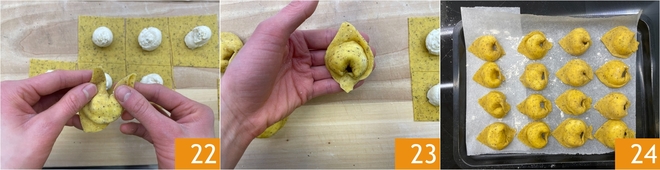
Finally, join the tips 22 to get the typical cappellacci shape 23. As you form your cappellacci, place them well-spaced on a tray lined with parchment paper 34.
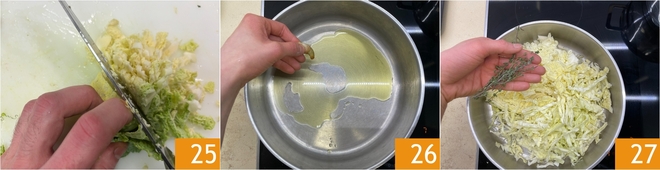
Now focus on the seasoning: clean the savoy cabbage by discarding the outer and tough leaves, then remove the base of the core and cut it into thin strips 25. Heat the oil in a pan with another clove of confit garlic 26, add the cabbage and thyme 27.
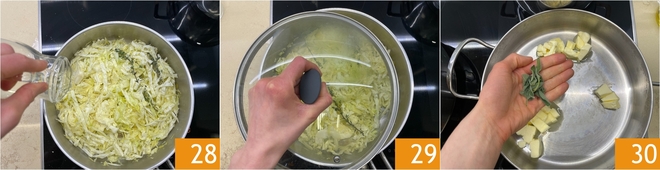
Deglaze with white wine 28, salt and pepper, then cover with the lid and cook for 20 minutes over medium heat 29. Meanwhile, prepare the brown butter: melt the butter in a pan with the sage leaves 30.
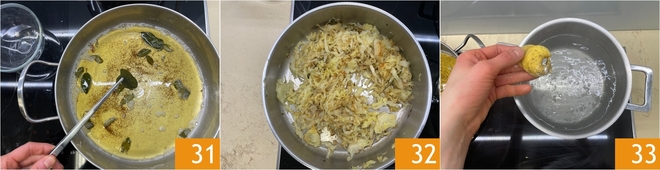
Cook until the butter takes on a slightly amber color and the sage leaves become crispy 31. Set the leaves aside to garnish the plates and keep the aromatic melted butter. By this time, the cabbage will also be cooked 32, so you can boil the cappellacci in salted boiling water 33; it will take about 2-3 minutes.
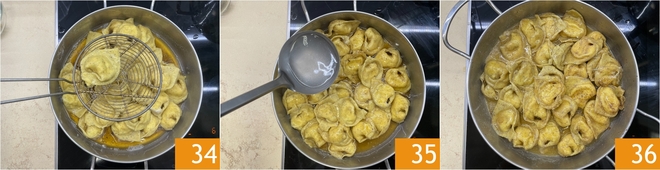
Drain the cappellacci into the pan with the brown butter 34, add a scant ladle of cooking water 35, and toss to flavor 36.
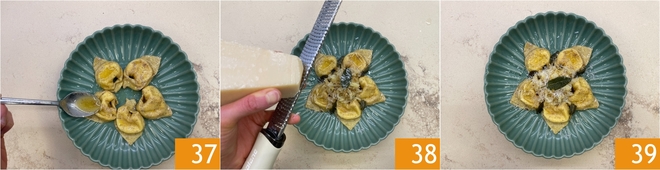
Plate and finish with the cooking sauce 37, sautéed cabbage, fried sage leaves, and grated Grana Padano to taste 38. Your cappellacci with savoy cabbage and cheese are ready to be served 39!