
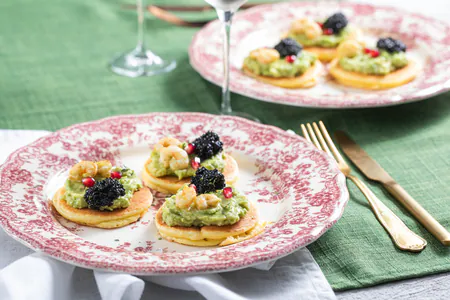
Blinis with caviar
Blinis with Caviar are a sophisticated appetizer, here are the quantities and tips for making them for your Holiday celebrations and New Year's Eve!
- Easy
- 25 min
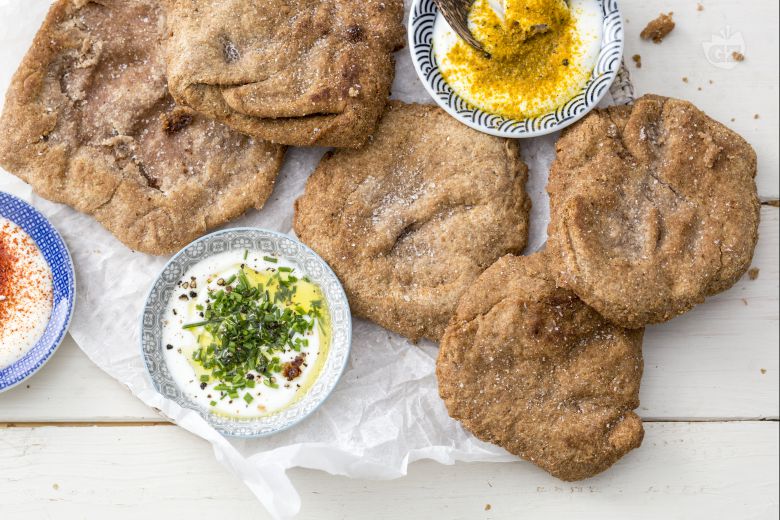
Bannock is, like, a huge part of the North American culinary scene, especially up there with the Inuit in the Arctic regions of Canada. Really interesting, right? This traditional bread goes way, way back with Indigenous peoples who made it using whatever they had—like animal fat, root flour, and even sweet tree sap. Back then, they’d shape the dough onto a stick and cook it over an open fire, giving it that smoky, crisp edge that just screams campfires. Today, traditional bannock recipes have evolved. You’ll find it made with regular wheat flour and yeast, making it simpler to prepare while keeping its rustic, homey vibe. Sometimes, people toss in whole wheat for extra chewiness.
And listen, in many places, bannock is the go-to snack for hikes and camping trips because it’s easy to carry and stays soft for a long time, even when you’re outdoors. When folks think of an easy bannock recipe, they often see it as a quick fix when you need bread fast, but seriously, it’s so much more than that. This versatile bread pairs super well with dips, cheeses, or just a pat of butter. Always brings that warm, golden crust.
In northern communities, bannock is a staple at gatherings—from outdoor feasts to cozy get-togethers—bringing people together over something simple and filling. Pretty much. These days, homemade bannock can be made in a skillet on the stove, so no need for a campfire to achieve that crispy outside and moist inside. Some folks even go the fry bread route or use it as a quick bread to mix things up. And you know what? It’s really cool how each family or group seems to have their own take on it, whether they add whole grains or keep it plain and classic.
Thing is, however you slice it, bannock is more than just food—it’s a significant part of Indigenous bread history, adapted for today’s kitchen without losing its roots. This bannock recipe not only gives you a taste of tradition but also connects you to a piece of North American heritage that continues to be cherished.
You might also like:
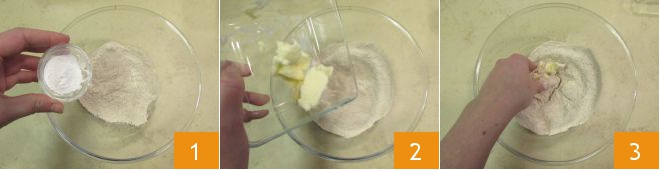
To prepare the bannocks, pour the whole wheat flour and instant yeast into a large bowl 1, mix briefly, then add the softened butter 2 and start working the dough with your hands 3.
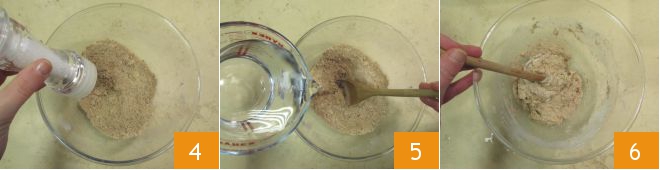
Add the salt 4 and the water, a little at a time 5, and continue to work the mixture with your hands or with a wooden spoon 6.
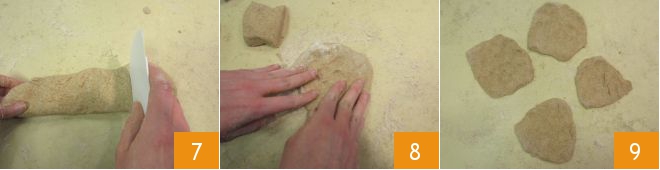
When you have obtained a soft and pliable dough, transfer it to a floured work surface and shape it into a large log, then divide it into 4 parts with a dough scraper 7. Flatten each portion of dough with your hands, using more flour if necessary 8 to obtain 4 fairly thin flatbreads with a diameter of 5-6 inches 9.
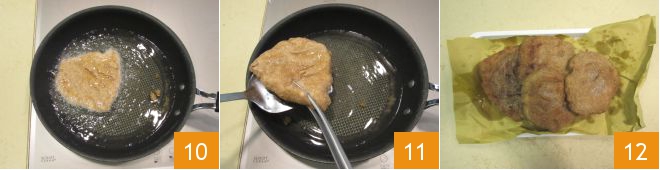
Pour about 1 inch of vegetable oil in a large pan and heat it to 340°F. Fry one flatbread at a time for a couple of minutes on each side 10, using a spatula to turn it without risking breaking it, until it is evenly golden brown 11. Drain your bannocks on straw paper and salt the surface to taste 12!