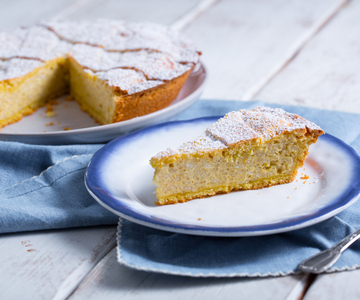
Authentic Pastiera Napoletana
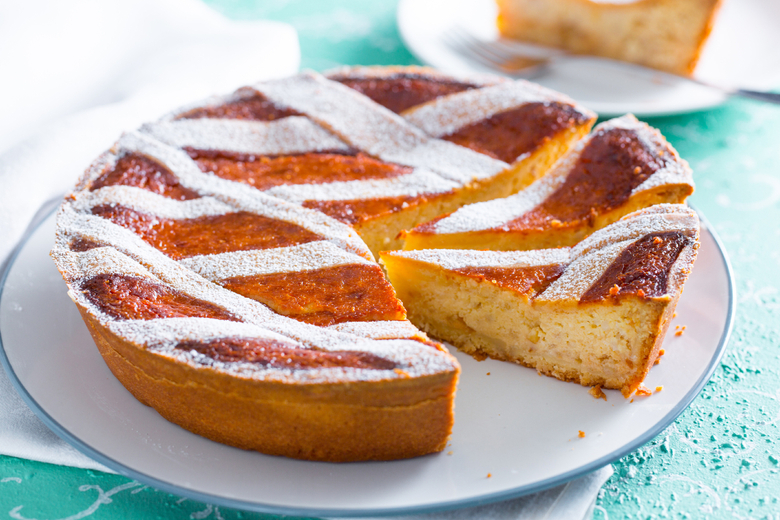
While tiramisu and cannoli went global, Italy's most beloved Easter dessert stayed hidden. Meet Pastiera Napoletana — and the secret that makes it unforgettable.
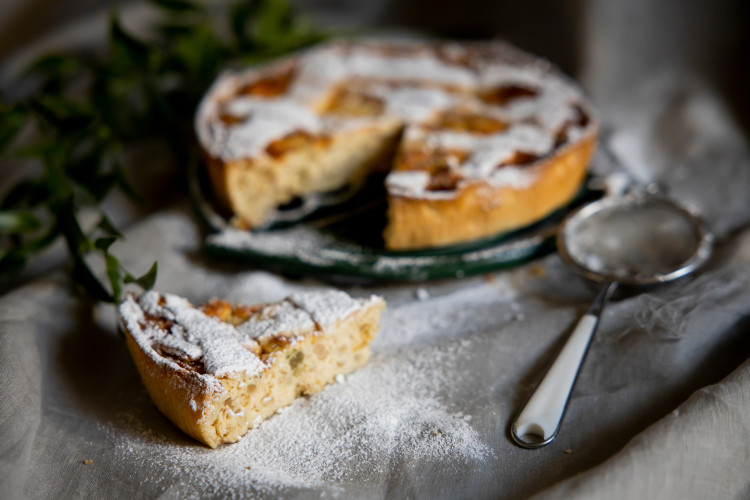
Every Easter, across millions of kitchens in Naples, the same ritual begins days before the holiday. Ricotta is strained overnight. Wheat berries are coaxed into something silky on the stovetop. And a fragrance — orange blossom, cinnamon, candied citrus — begins to drift through apartment buildings.
The dish is Pastiera Napoletana. And if you've never heard of it, you're not alone.
While tiramisu and cannoli have conquered the world, this Easter wheat-and-ricotta tart from Naples has stayed one of Italy's best-kept secrets. Legend has it that Queen Maria Theresa of Austria — famously known as "the queen who never laughs" — tasted a pastiera and smiled in public for the first time. Her husband reportedly said: "It took a pastiera to make my wife smile."
One bite and you'll understand why.
The texture is somewhere between a cheesecake and a custard tart — creamy and dense, with the gentle chew of whole wheat berries running through it. The flavor is floral without being perfume-y, sweet without being cloying. It is unlike anything else on your Easter table.
A few things in this recipe will require a specialty store or a quick Amazon order — and they are completely worth it.
Grano cotto is the defining ingredient: canned cooked wheat that gives the filling its signature texture. Orange blossom water is non-negotiable — it's what makes the pastiera smell and taste like nothing else on earth. And whole-milk ricotta, strained overnight, is the difference between a good pastiera and a great one.
That's it. Everything else you probably already have.
Make it at least one day ahead. Ideally two.
Fresh out of the oven, the pastiera is good. But overnight in the refrigerator, something extraordinary happens — the flavors meld, the filling firms into silky perfection, and the orange blossom blooms in a way it simply can't when the tart is still warm.
In Naples, tradition says to make it on Holy Thursday so it's ready for Easter Sunday. Four days of rest. That's how serious they are about it.
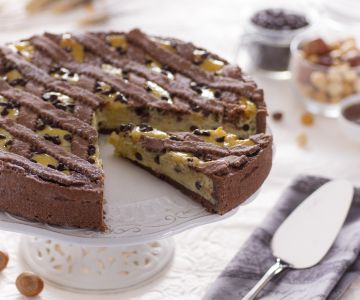
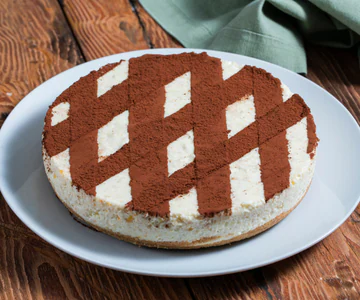
We have the full authentic recipe right here — pasta frolla from scratch, step-by-step filling, lattice top and all. Can't find grano cotto? No problem — swap it with Arborio rice and make our Rice Pastiera: same fragrant filling, same flaky crust, zero hunting down specialty ingredients. Or go completely off-script with the Hazelnut & Cocoa Pastiera for a darker twist, or the Cheesecake Pastiera if you want all the flavor with a no-bake shortcut.
Your Easter table deserves something extraordinary. This is it.