What Happens When the Crêpe Goes Savory
Did you know Italy has its own version of the crêpe, one most Americans have never heard of? These five crespelle recipes, from a cold salmon filling to spinach batter stuffed with pumpkin and speck, show how far the same simple batter can stretch.
One Batter, Five Very Different Dinners
Crespelle are Italy's own answer to crêpes, thin and unsweetened, made from the same basic batter of eggs, milk, and flour. The French version leans sweet, folded around fruit or chocolate; the Italian one goes almost entirely savory, rolled or layered around cheese, cured meat, or whatever vegetable is in season. What changes from one crespella recipe to the next is everything inside: ham and cheese, wild mushrooms, bitter greens, smoked fish, or a mix of fall vegetables. These five recipes make the case for keeping a batch on hand and deciding on dinner after the fact.
Salmon Crespelle
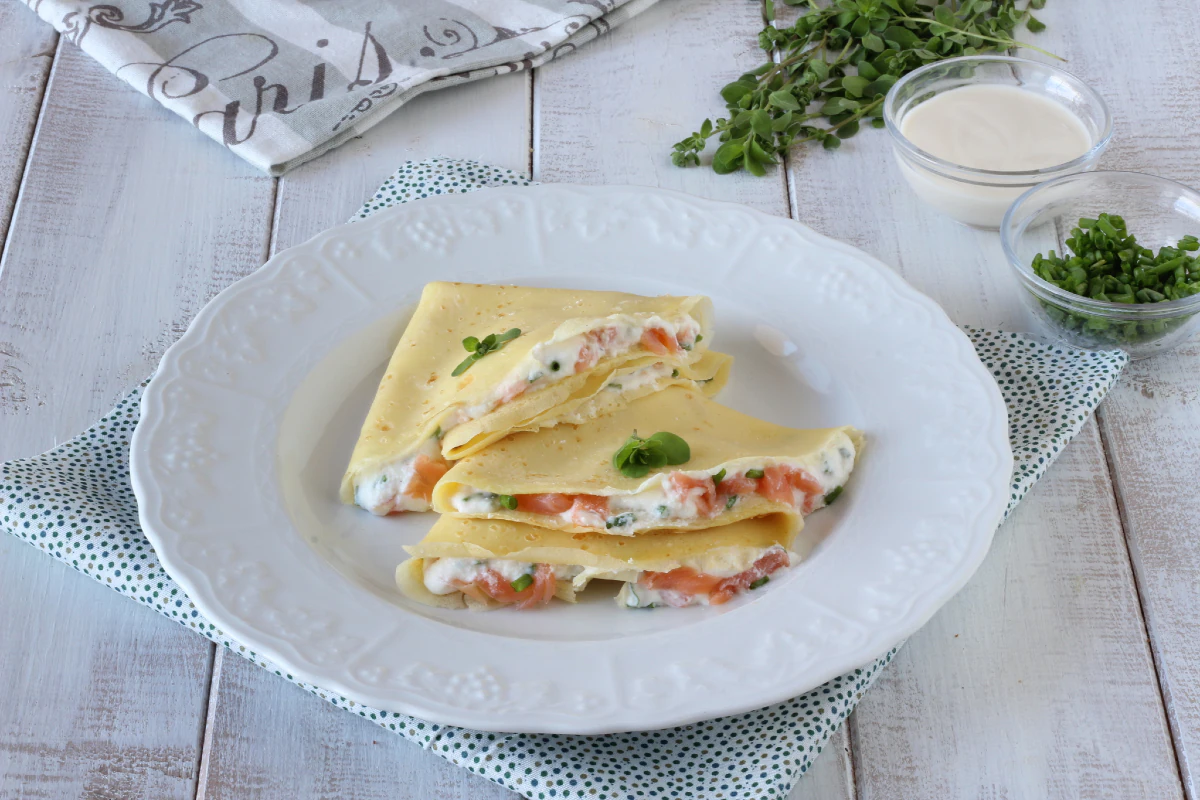

Salmon Crespelle fills each crespella with a mix of ricotta, smoked salmon, chives, and marjoram, rolled up and served straight away, no baking required. It's the lightest recipe on this list, closer to a cold filling than anything cooked twice.
Pro tip: let the crespelle batter rest in the fridge for the full 30 minutes before cooking. Skipping the rest leaves the gluten too tight, which makes the crespelle tear instead of rolling smoothly around the filling.
Ham, Brie, and Walnut Crespelle
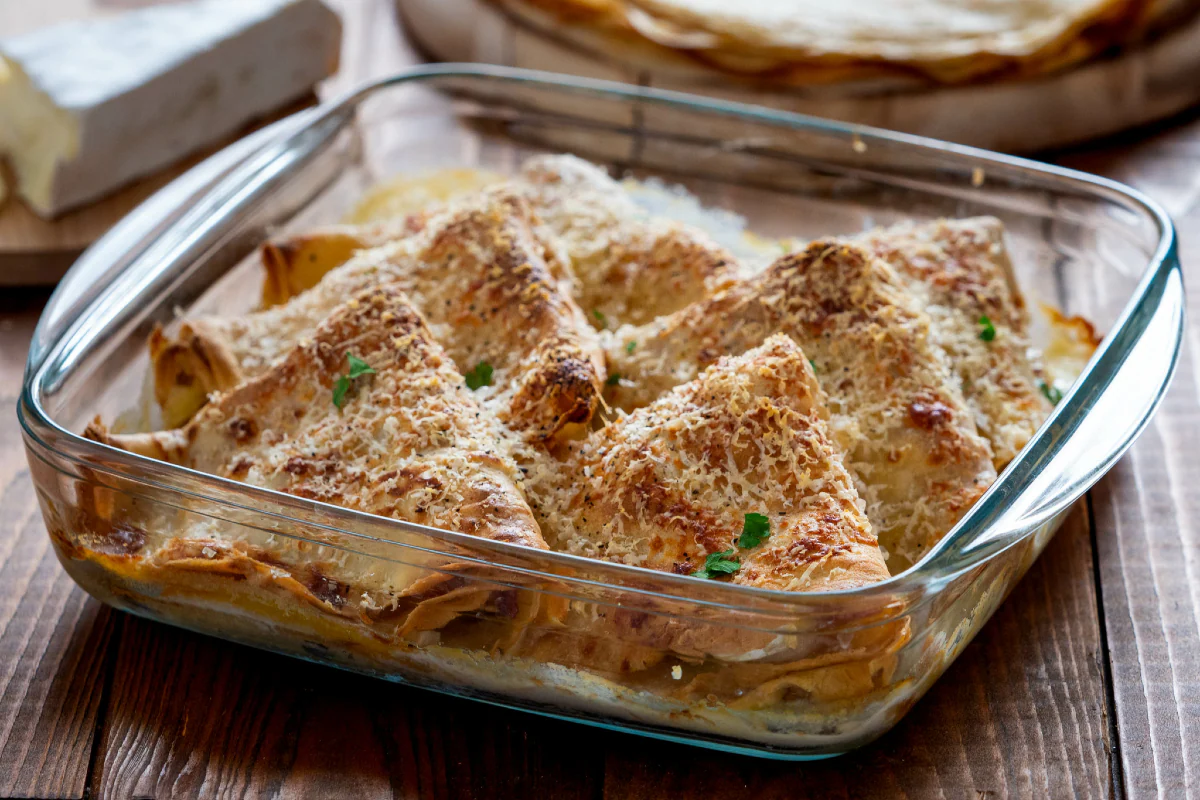

Ham, Brie, and Walnut Crespelle folds ham, brie, and crumbled walnuts into a triangle shape, then bakes the whole batch under a Parmigiano cream sauce until golden. Brie stands in for the more expected fontina or gorgonzola, giving the filling a softer, milder edge.
Pro tip: crumble the walnuts by hand instead of chopping them with a knife. Hand-crumbled pieces stay irregular in size, which keeps some real crunch inside the filling instead of turning to fine dust.
Whole Wheat Crespelle with Mascarpone and Mushrooms
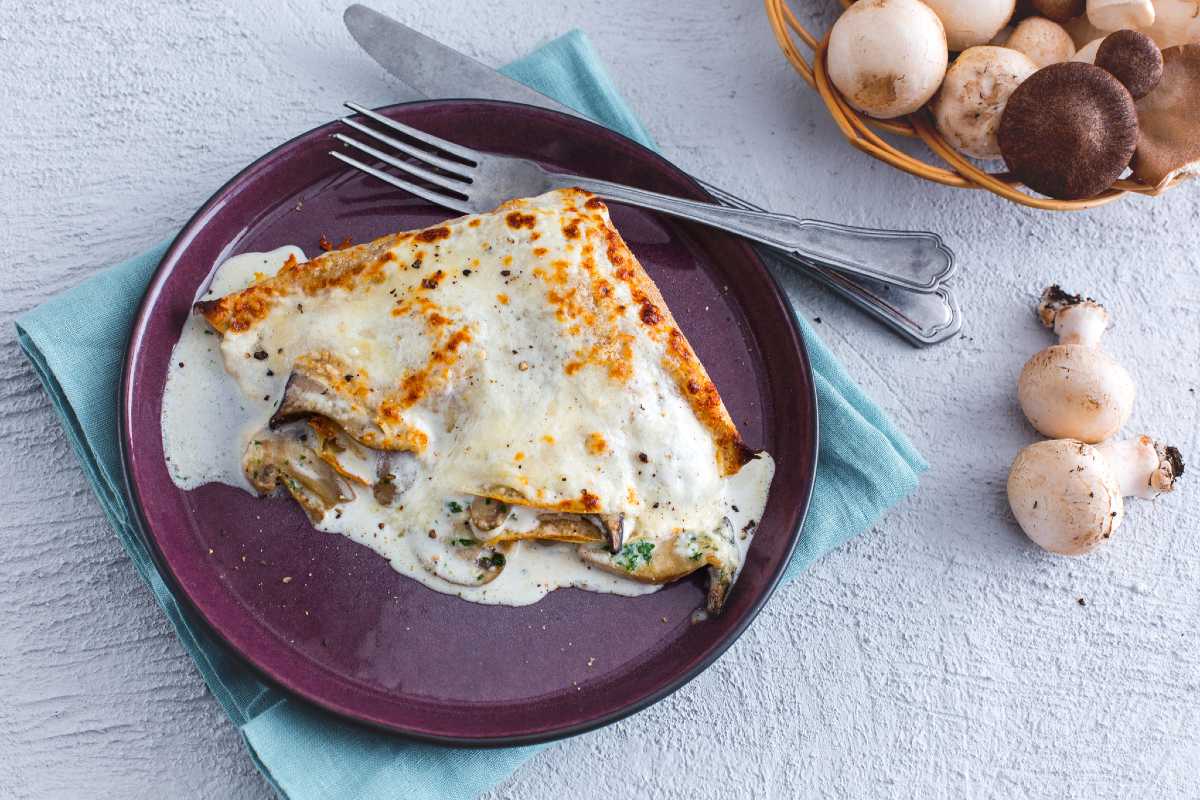
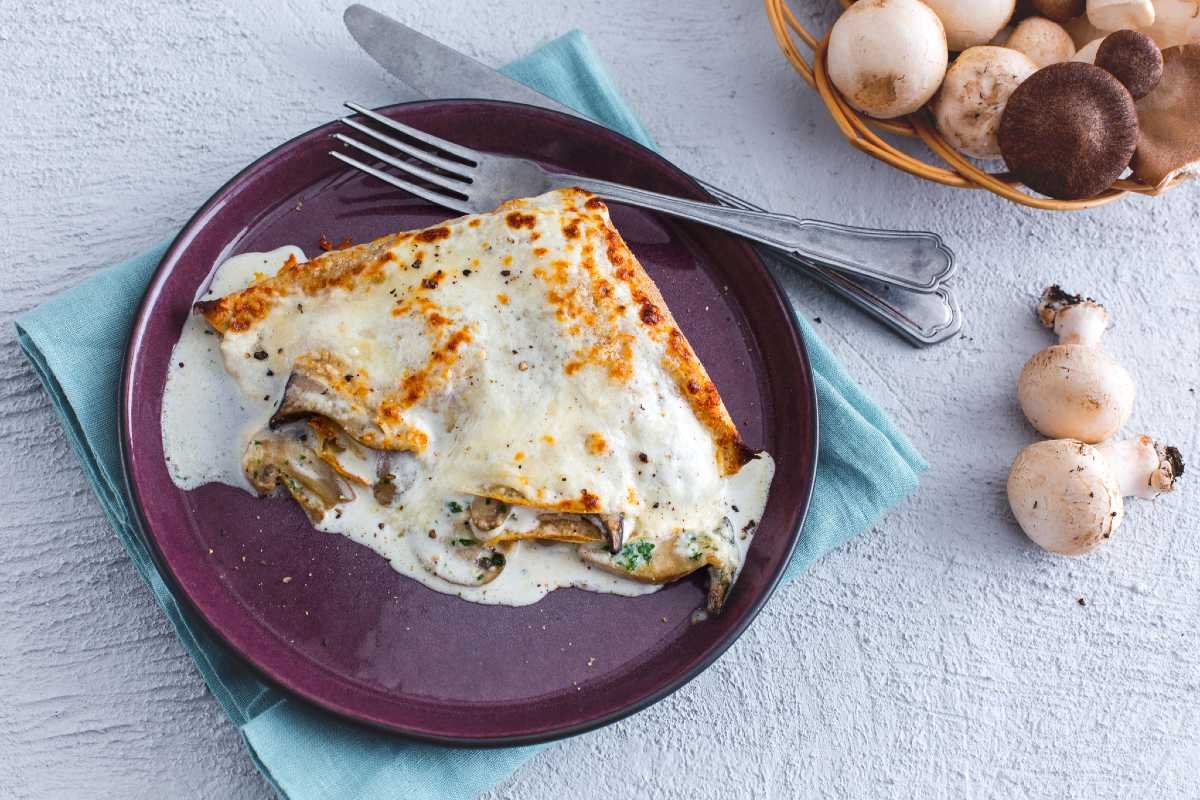
Whole Wheat Crespelle with Mascarpone and Mushrooms builds the batter itself from whole grain flour, then fills each crespella with sautéed oyster and champignon mushrooms bound in a mascarpone sauce instead of the usual béchamel. The whole grain gives the crespelle a slightly nutty edge that plays well against the mushrooms.
Pro tip: remove the garlic clove from the pan as soon as the mushrooms finish cooking. Leaving it in any longer turns the flavor bitter and overpowers the mushrooms instead of just seasoning the oil.
Gorgonzola and Radicchio Crespelle
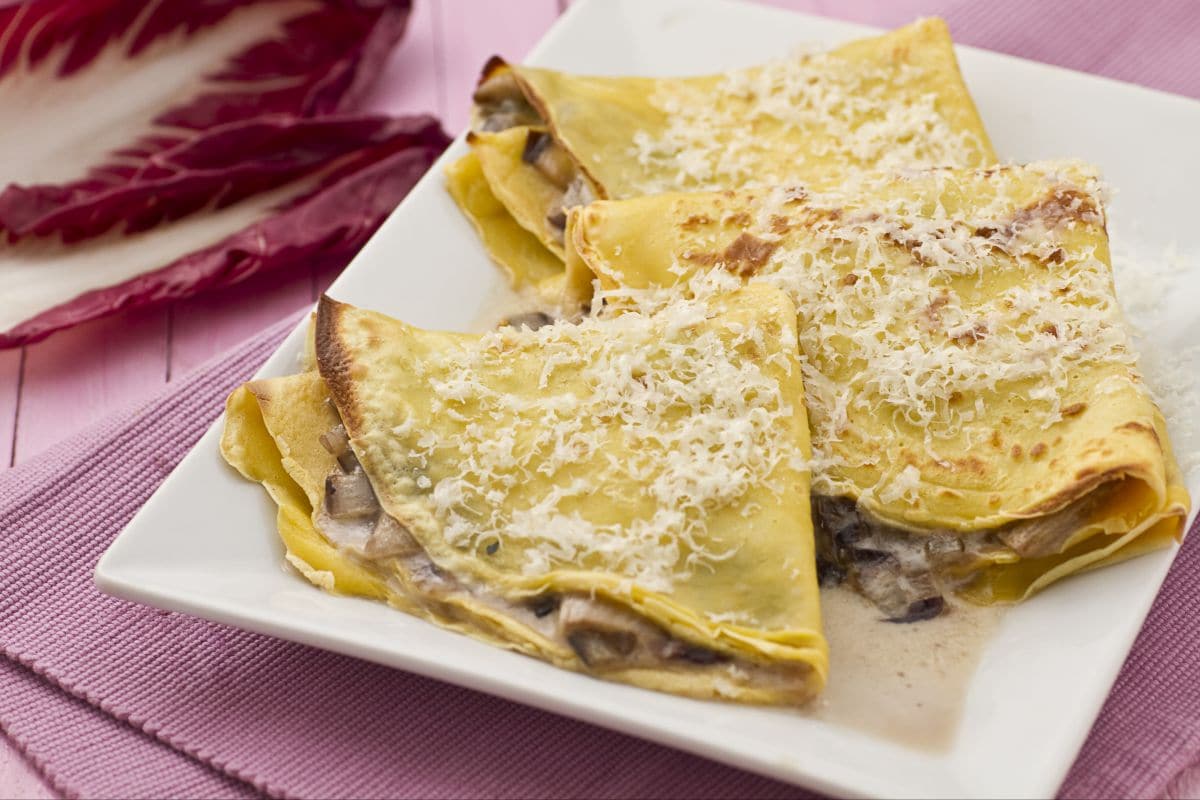
Gorgonzola and Radicchio Crespelle cooks down bitter Treviso radicchio until soft, then folds it into a melted gorgonzola cream before wrapping it inside each crespella and finishing under the broiler. Bitter and sharp instead of mild, the one recipe here built around contrast rather than comfort.
Pro tip: cook the radicchio covered for the first several minutes, not open. Trapping the steam early softens the leaves faster, so they're tender by the time the liquid finally cooks away.
Crespelle with Pumpkin, Speck, and Walnuts

Crespelle with Pumpkin, Speck, and Walnuts mixes spinach directly into the batter for color, then fills the green crespelle with pumpkin, scamorza, crisped speck, and walnuts, finished with a Parmigiano fondue poured over the top. The most involved recipe here, and the only one where the batter itself carries a flavor beyond egg and milk.
Pro tip: squeeze the boiled spinach completely dry before blending it into the batter. Any leftover water thins the batter too much, making the crespelle harder to flip without tearing.
A Format Built to Disappear
A crespella has almost no flavor of its own, just eggs, milk, and flour cooked thin enough to fold. That blankness is the entire point: fontina melts into it, gorgonzola cuts through it, smoked salmon sits on top of it without a fight. The batter never competes with what goes inside, which is exactly why it can hold ham one night and mushrooms the next without either one tasting like a compromise.