
That color usually means the same thing nutritionally: beta-carotene, and with it a natural sweetness that shows up whether the vegetable is roasted, puréed, or pan-fried. It's why pumpkin needs so little sugar to work in a dessert, why carrots caramelize instead of just softening in a hot pan, why turmeric adds warmth as much as color. Orange isn't just how these ingredients look on the plate — it's a rough preview of how they'll taste once they hit heat.
Fall Is Finally Here: Building the Perfect Orange Menu for the Season
What does an entire menu look like when it's built around one color? These six Italian courses, from a turmeric soup to a two-ingredient persimmon pudding, follow fall's favorite palette from starter to dessert.
A Menu the Color of Fall
Fall in Italy brings out an entire palette of orange ingredients well beyond pumpkin: carrots, persimmons, turmeric, all landing on the table around the same few weeks. This is a full menu built around that color, six courses deep, each one letting a different orange ingredient take the lead.
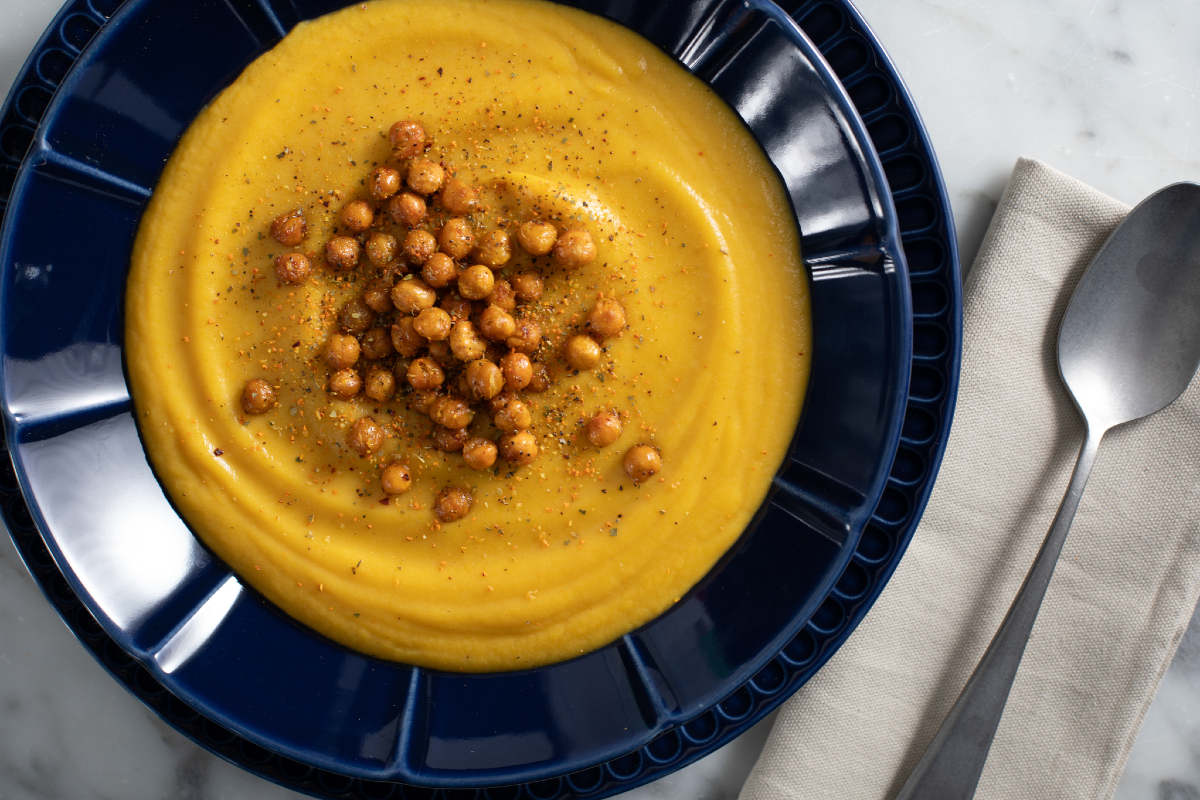
Cauliflower and Turmeric Soup with Crispy Chickpeas
Cauliflower and Turmeric Soup with Crispy Chickpeas simmers cauliflower, potato, and pumpkin together in a leek broth, blended smooth, then topped with chickpeas roasted separately in turmeric and black pepper until crisp. Turmeric does double duty here, coloring the soup and seasoning the topping both.
Pro tip: roast the chickpeas on their own tray rather than adding them to the soup pot at any point. Keeping them dry and separate is what lets them turn genuinely crisp instead of steaming soft from the soup's moisture.
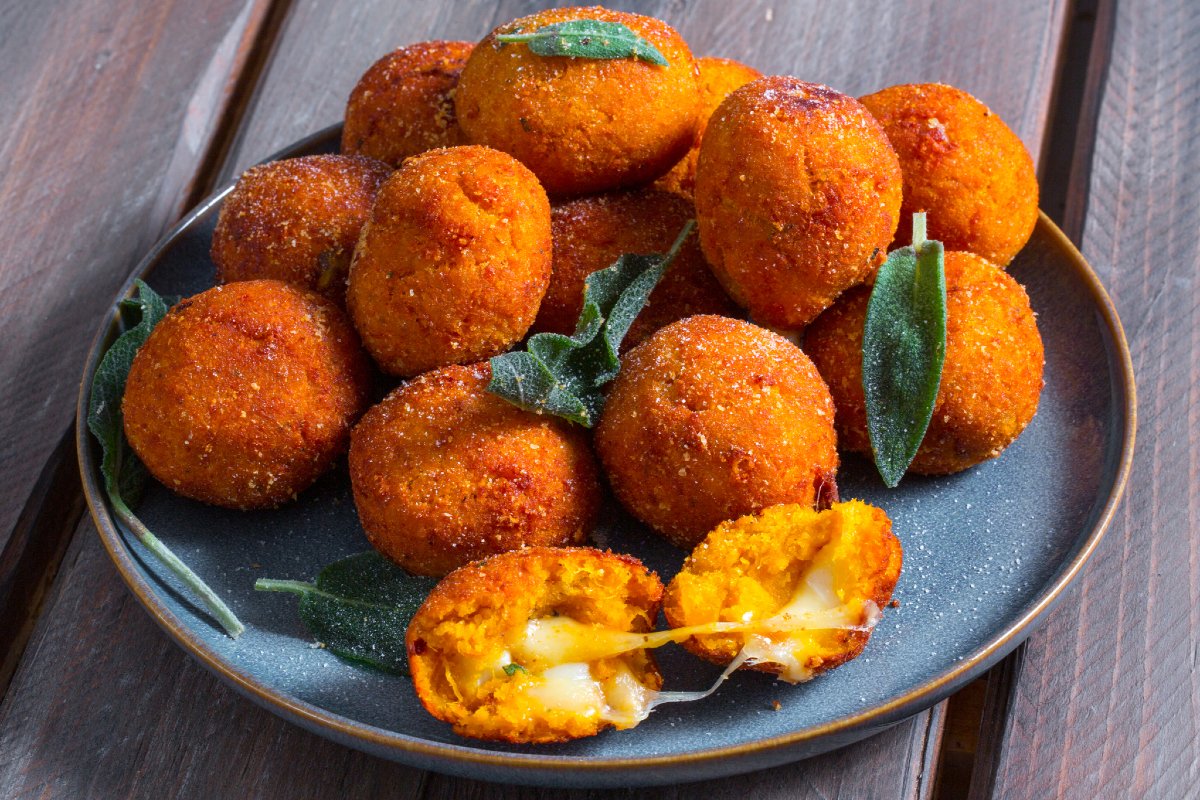
Pumpkin Bites
Pumpkin Bites bake sliced pumpkin until soft, mash it into a dough with breadcrumbs and egg, then wrap each portion around a core of smoked scamorza before frying or baking until golden. The cheese stays hidden until the first bite breaks through.
Pro tip: let the roasted pumpkin cool completely before mixing in the other ingredients. Warm pumpkin releases extra moisture into the dough, which makes the bites harder to shape and more likely to fall apart in the pan.
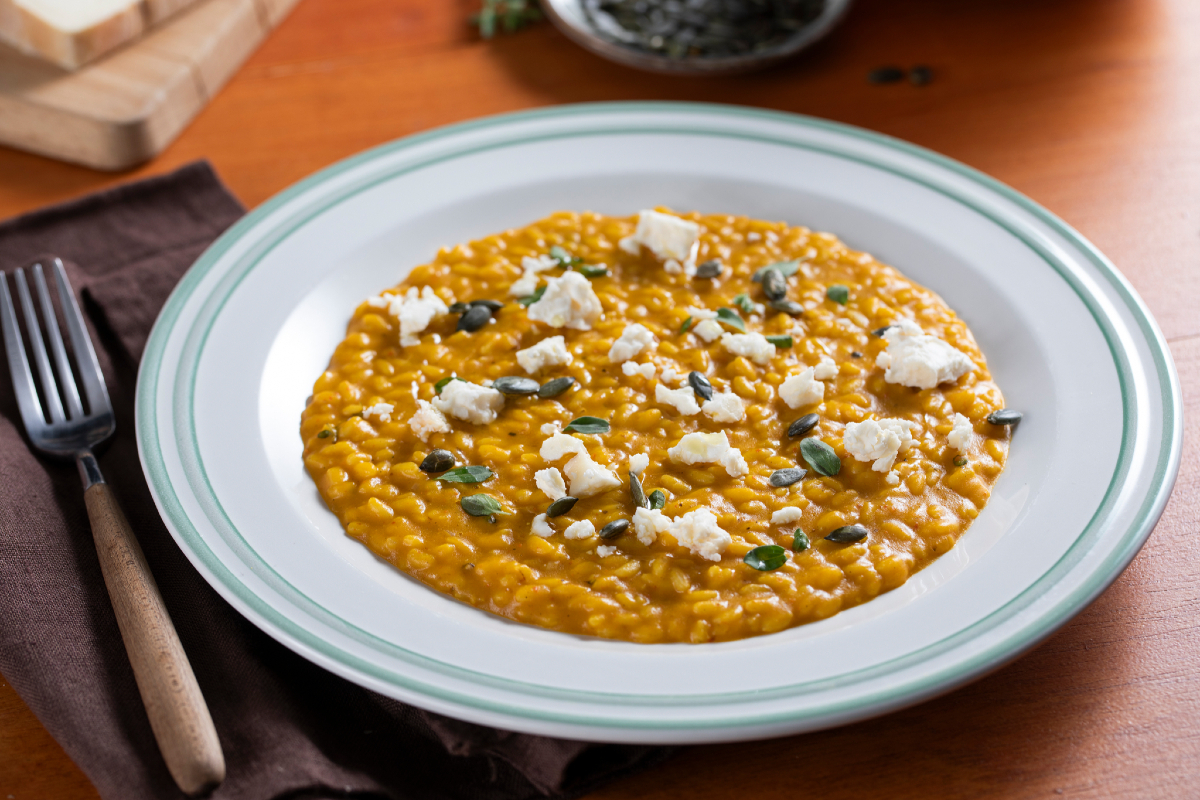
Creamy Pumpkin and Quartirolo Risotto
Creamy Pumpkin and Quartirolo Risotto roasts pumpkin whole in foil, blends it into a silky purée, then folds it into risotto finished with quartirolo and a spoonful of acid butter, made by cooking butter with onion, wine, and vinegar until it turns amber. That acid butter is what keeps the dish from tasting flat despite all the natural sweetness in the pumpkin.
Pro tip: make the acid butter first and let it firm up in the refrigerator while everything else cooks. Adding it cold to the finished risotto is what keeps its tang intact, rather than letting the flavor cook off if it goes in while the pan is still hot.
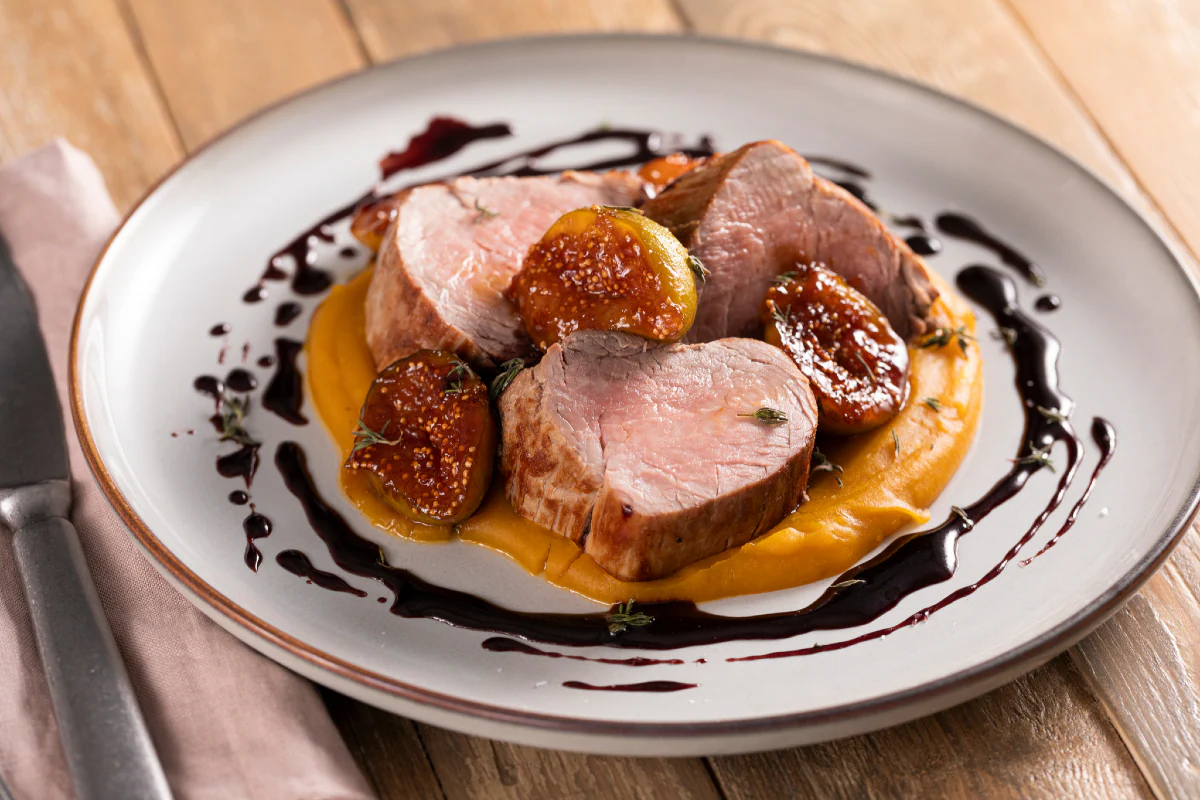
Pork Tenderloin with Pumpkin and Figs
Pork Tenderloin with Pumpkin and Figs sears pork tenderloin with rosemary and sage, then plates it alongside roasted pumpkin and figs, finished with a Port wine sauce that ties the sweetness of both together. The contrast between savory meat and two different sweet elements is the whole point of the dish.
Pro tip: let the Port wine reduce down slowly rather than rushing it over high heat. A slow reduction concentrates the sauce's flavor without turning it bitter, which is what happens when Port is boiled too hard for too long.
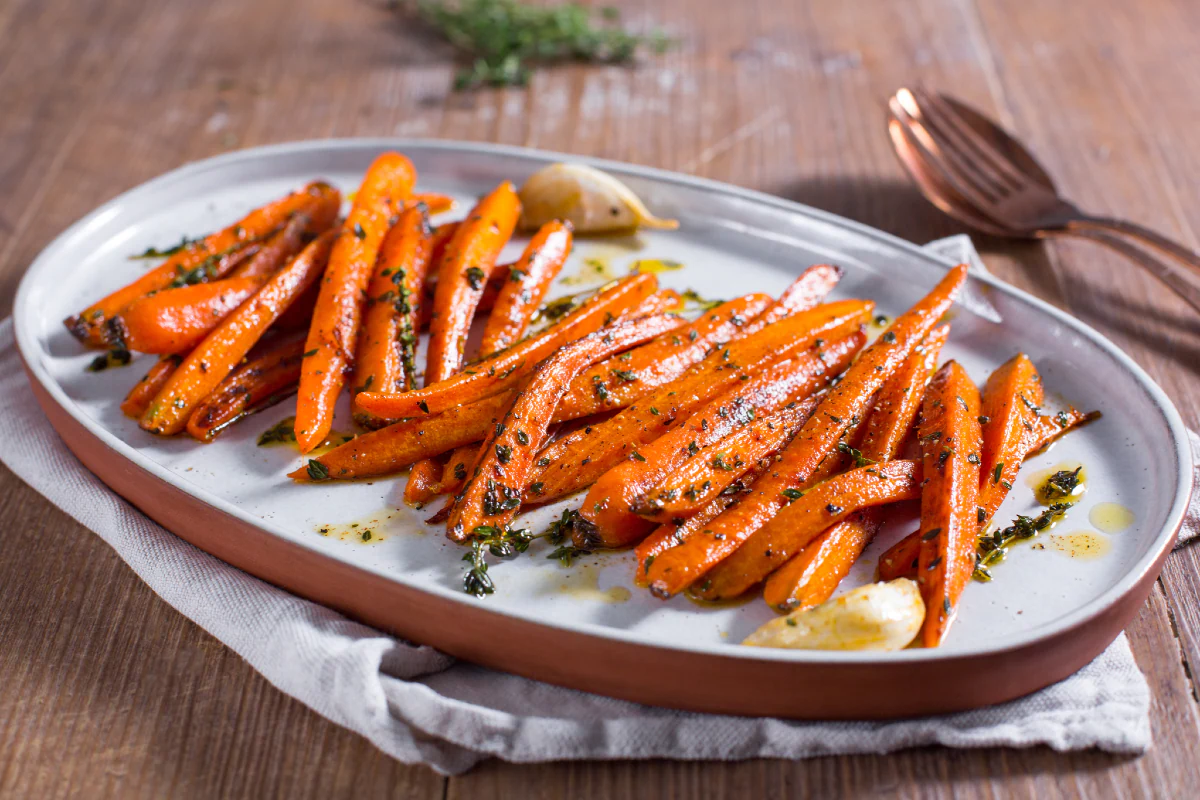
Pan-fried Carrots
Pan-fried Carrots cooks whole carrot quarters in a hot pan with unpeeled garlic and thyme until browned and caramelized at the edges, finished with a touch of paprika. Five ingredients, one pan, done in under twenty minutes.
Pro tip: leave the garlic cloves unpeeled while they cook alongside the carrots. The skin keeps the garlic from burning at high heat while still letting its flavor perfume the oil.
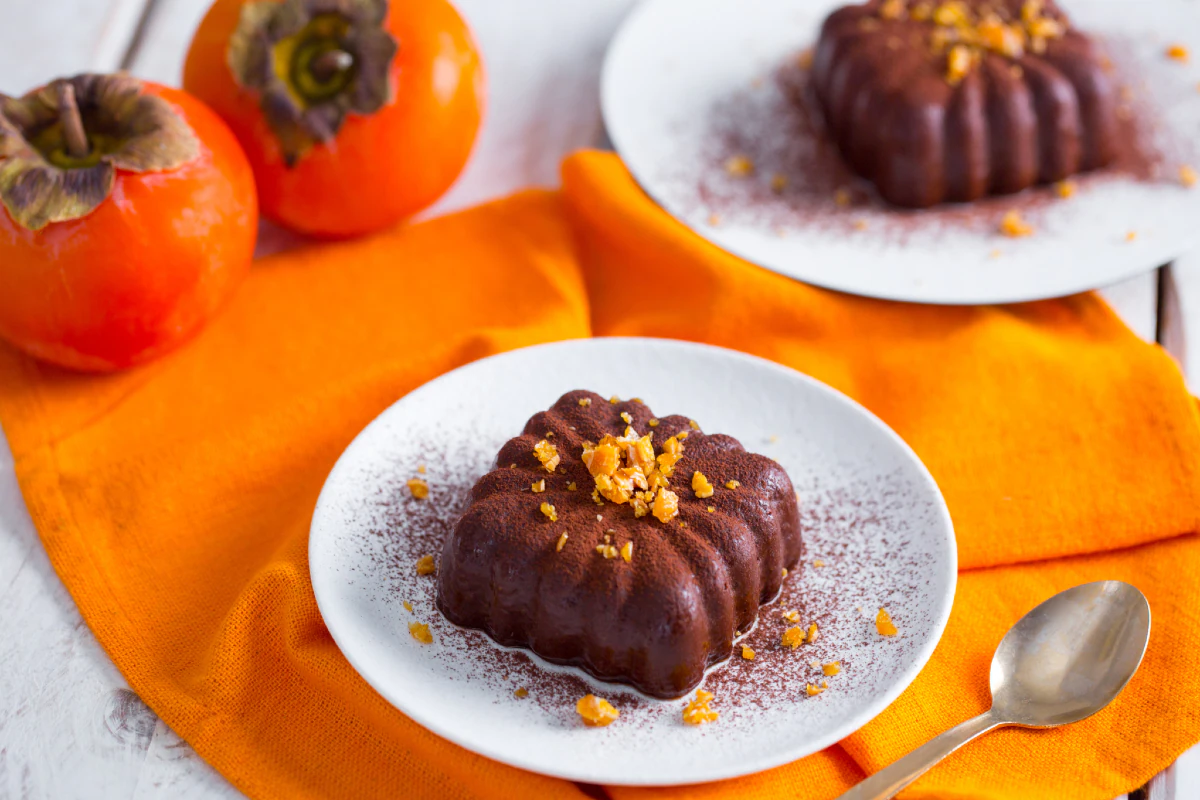
Persimmon and Cocoa Pudding
Persimmon and Cocoa Pudding blends ripe persimmon pulp with unsweetened cocoa powder, nothing else, then sets in the refrigerator until firm. No sugar, no gelatin, no cooking at all — the persimmon's own ripeness supplies both the sweetness and the thickening power.
Pro tip: use persimmons that are fully soft and almost overripe, not firm ones. Underripe fruit lacks the natural sugar and pectin-like thickness that let this pudding set properly without any added gelatin.