5 Recipes for Carbonara, Amatriciana, and Cacio e Pepe
Want to get carbonara’s creamy sauce right? Explore five pasta recipes, including amatriciana, cacio e pepe, and a version that brings all three together, with a specific cooking tip for each.
Carbonara, Amatriciana, and Cacio e Pepe
Guanciale gives carbonara its savory depth, tomatoes distinguish amatriciana, and black pepper shares the spotlight with Pecorino in cacio e pepe. Start with those three classics, then explore pasta alla zozzona and a second carbonara featuring two cheeses.
Spaghetti Carbonara


Spaghetti Carbonara pairs a silky egg-yolk sauce with the savory richness of guanciale. This authentic Roman recipe focuses on the technique that keeps the eggs from scrambling. Pecorino brings a sharp edge, while black pepper punctuates the rich sauce.
Pro tip: take your pan off the heat before adding the egg mixture so residual heat thickens it without scrambling.
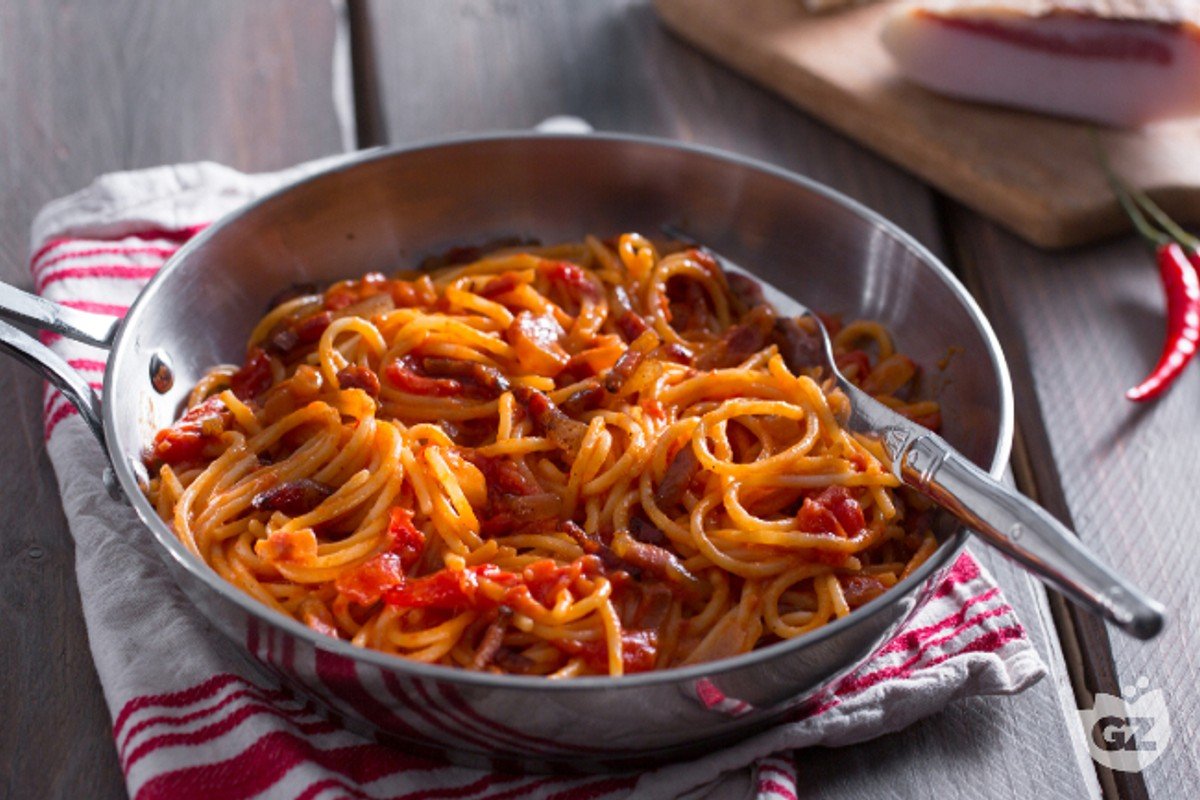
Spaghetti all'Amatriciana

Spaghetti all'Amatriciana brings tomatoes and guanciale together in a sauce with a distinctly savory backbone. Guanciale is central to this version, rather than an interchangeable choice of cured pork. Fresh chile adds heat, and Pecorino Romano gives the tomato sauce a salty, sharp finish.
Pro tip: you can deglaze with white wine for a cleaner finish.
Spaghetti Cacio e Pepe (Pecorino and black pepper spaghetti)

 Aurora Cortopassi
Spaghetti Cacio e Pepe (Pecorino and black pepper spaghetti) puts sharp cheese and peppery heat at the center of every forkful. This cornerstone of Roman cooking calls for just a few ingredients. Without eggs or guanciale, the Pecorino’s character comes through clearly against the black pepper.
Pro tip: cook your spaghetti in about half the usual water to concentrate the starch that helps prevent cheese clumps.
Pasta alla zozzona (Carbonara, amatriciana and cacio e pepe pasta)
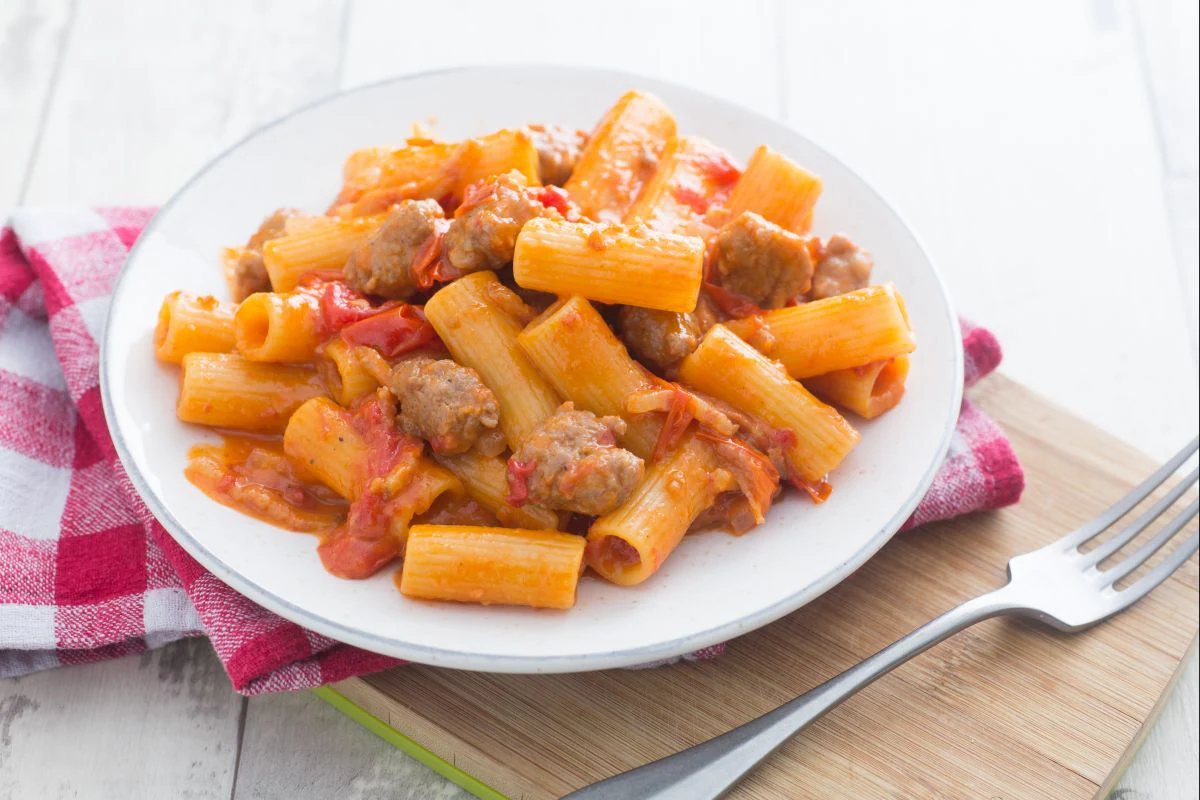
 Manuel Saraceno
- 4.3
- 40 min
Pasta alla zozzona (Carbonara, amatriciana and cacio e pepe pasta) brings a hearty combination of pork, tomatoes, and cheese to rigatoni. It combines elements of all three Roman classics in one recipe. Sausage joins guanciale for extra richness, with egg yolks and Pecorino rounding out the tomato sauce.
Pro tip: if you have leftover pasta, bake it into a gratin the next day.
Traditional carbonara


Traditional carbonara coats spaghettoni in a creamy sauce, with guanciale bringing savory depth. This version uses both Grana Padano and Pecorino Romano, distinguishing it from the first carbonara in this collection. Ground black pepper cuts through the richness of the egg yolks and cheese.
Pro tip: look for guanciale aged three to four months when you shop, the recommended aging range for this recipe.