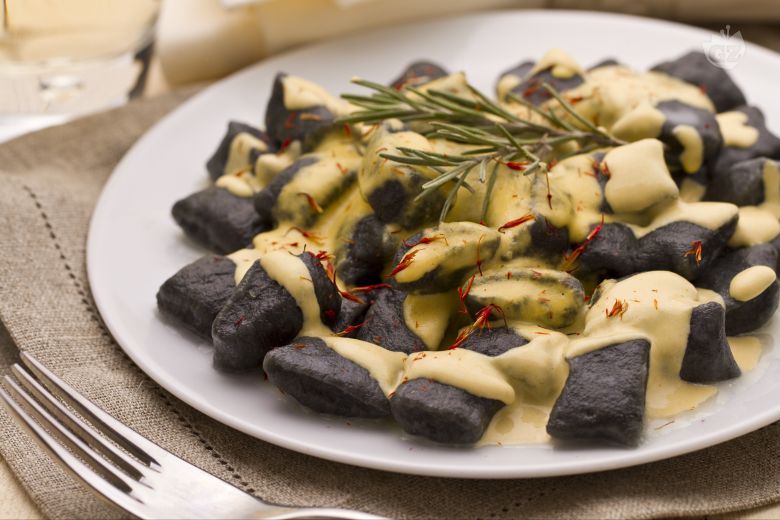


Squid Ink Gnocchetti with Cuttlefish Ragù
Squid ink gnocchetti with cuttlefish ragù is a special main course, a true delight for the eyes and palate. Discover the quantities and procedure!
- Average
- 1 h 10 min
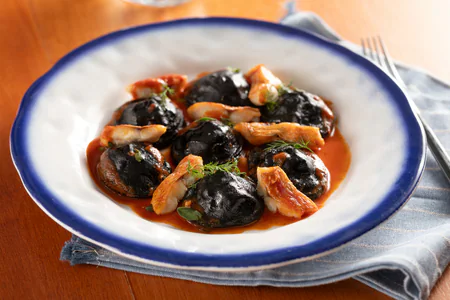
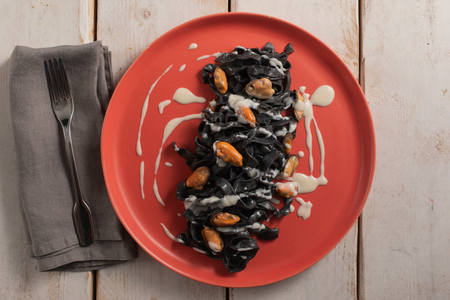
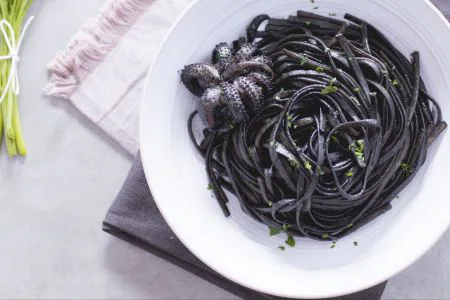
Gnocchetti al nero di seppia, or squid ink gnocchi, is one of those dishes that just grabs your attention. Seriously good. Its deep black color hints at flavors that are both earthy and ocean-like. I mean, the cuttlefish ink pasta brings this mysterious, briny taste. Fans of Italian seafood pasta go nuts for it—especially by the coast. In the beautiful Italian Riviera, you’ll see versions of this dish popping up in trattorias, where people love mixing homemade gnocchi with ink and fresh seafood. The tender texture of the gnocchetti? Perfect match for the creamy sauce. Letting all the flavors soak in.
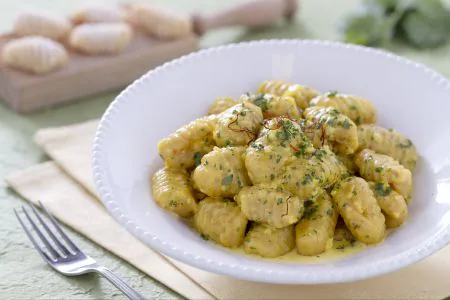
It’s not just about that bold look. Nope. The combo of cuttlefish ink pasta and saffron makes it feel special. You’d think it takes a ton of ingredients, but nope—just a few regional ones. To be honest, there’s a reason this is a real treat in Liguria. Summer nights there? They call for something moist, rich, and just right. The sea bass saffron sauce? Gives the dish its sweet, delicate taste. Plus, saffron adds this hint of golden color against the dark gnocchetti. And cream ties it all together, giving you a silky, velvety finish that hugs each pasta piece. So so good.
Folks in coastal Italy really know how to do it, pairing seafood with saffron. And look, this saffron cream sauce is one of those secret tricks that makes seafood gnocchi shine. Compared to just plain black gnocchi, this has way, way more going on. Thanks to the tender sea bass, the pop of saffron, and all those full-on seafood vibes. Honestly, pairing these flavors is more than taste. It's like putting a bit of Italian summer on your plate.
So when you see that seafood gnocchi shimmering with saffron-infused sauce, you know what you’re in for. A bite of something that shows off what coastal Italian food does best: keep things moist, golden, and really, really tasty with the freshest ingredients. This is the heart of Italian coastal cuisine, where every bite is a celebration of the sea's bounty and the land’s finest offerings. For real, it's something special.
You might also like:

To prepare the squid ink gnocchetti with sea bass and saffron sauce, start by preparing the squid ink gnocchi, Squid Ink Gnocchi to see the procedure.
Then prepare the sea bass and saffron sauce by placing the fish, scaled, gutted, and head removed, in a pan with very little water to ease skinning 2. Once scalded, peel them, cut them into cubes, and place them in a pan with butter, a clove of garlic, and rosemary 3.
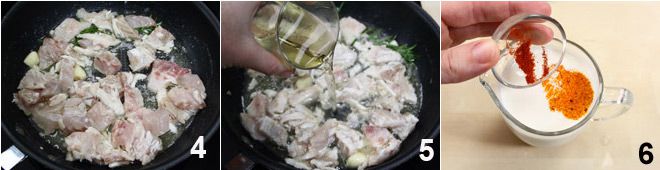
Sauté them 4 and after a few minutes add the white wine 5, let it evaporate, and adjust the salt. Dissolve the saffron in the cream 6, which will be used to flavor the sea bass sauce.
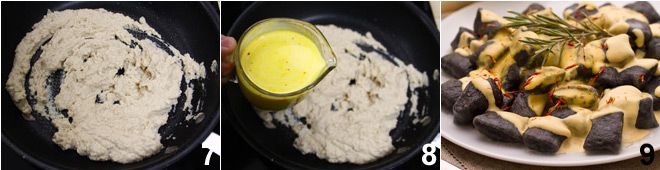
When everything is well flavored, remove the rosemary (and if you don't want to leave it in the sauce, also the clove of garlic) and pour the pan's contents into the mixer. Blend finely 7 and place the obtained sauce back in the pan with the cream and saffron 8; mix the sauce well.
Put the gnocchi in boiling water, and when they float, drain them well and toss them in the pan with the sea bass and saffron sauce, mix the sauce, and plate the gnocchetti 9, sprinkling them with chives or parsley.
Serve immediately.