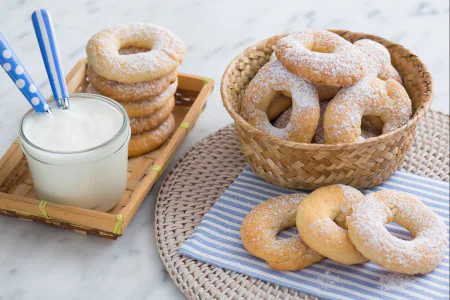


Soft lemon and orange cookies
The soft lemon and orange cookies are wonderfully fragrant treats perfect for accompanying tea or a hot beverage on winter days.
- Very easy
- 55 min
- Kcal 89
These soft lemon gluten-free cookies are pretty much a staple in many Italian homes. Really, they're perfect when you're craving something sweet and a bit tangy with your morning coffee or afternoon tea. Bursting with fresh lemon zest and juice, they offer a bright citrus kick—really hard to resist—that fills your kitchen with an incredible aroma. And here's the thing: the dough is pretty simple. You don't need any fancy equipment, so it’s a fun project to enjoy with kids or just for a quick treat.
While there are loads of regional variations of gluten-free lemon cookies across Italy, this recipe sticks to the basics, letting the fresh lemon flavor really, really shine. You'll get a hint of those classic Italian rice flour biscuits, but these cookies are way more moist and tender, thanks to the gluten-free blend. And look, these soft lemon cookies are perfect for anyone seeking a treat that’s both chewy and a bit golden around the edges.
They fit seamlessly into the tradition of Italian lemon desserts—providing that light and zesty vibe that's just ideal any time of day. Some bakers opt to use almond flour to infuse their cookies with a southern Italian flavor, reminiscent of those tasty Christmas treats from Sicily. Whether you’re new to gluten-free baking or simply looking for something easy and delicious, these cookies are a surefire hit. I mean, the best part? That burst of fresh lemon is perfectly balanced—just enough to complement the soft texture and keep you reaching for more.
These gluten-free lemon sugar cookies are so good, you’ll want to share, but be warned—they disappear quickly! So, maybe double the batch to be safe. Grab a glass of milk or a mug of tea, and enjoy the crispy edges and bright lemon scent—this is what cozy Italian afternoons are all about, filled with flavor and a touch of nostalgia. Really, can't go wrong.
You might also like:
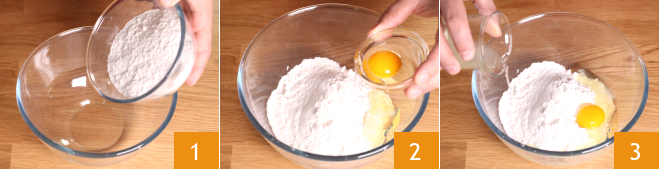
To make soft gluten-free lemon cookies, pour the gluten-free flour mix into a bowl 1, the cold whole egg 2 and the lemon juice 3.
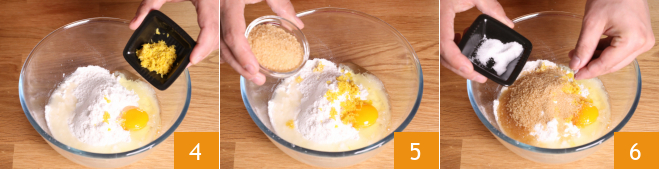
Add the lemon zest 4, the brown sugar 5 and a pinch of salt 6.
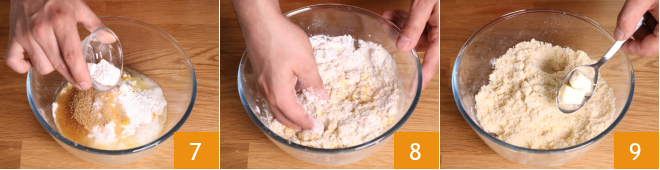
Pour the gluten-free baking powder 7 and start working with your hands so that the powders absorb the liquids 8. Then continue adding the softened butter in small pieces a little at a time 9, kneading gradually to absorb one piece at a time.
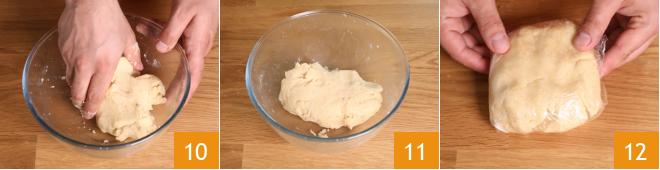
Once you have a homogeneous dough 10 11, form a loaf and wrap it in plastic wrap 12. Let it rest in the refrigerator for 1 hour.
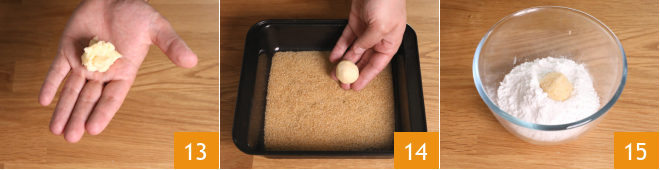
After this time, retrieve the dough, take portions of about 0.63 oz each 13 and form balls: with this dough, you will get about 25 pieces. Roll each ball first in brown sugar 14 and then in gluten-free powdered sugar 15.
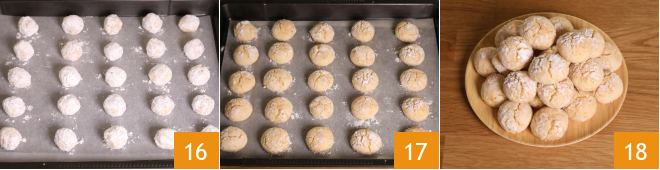
Place the balls gradually on a baking sheet lined with parchment paper 16. Bake in a preheated static oven at 356°F for 15 minutes. Once the baking time is up 17, transfer the soft gluten-free lemon cookies to a wire rack and let them cool completely. The soft gluten-free lemon cookies are ready to be enjoyed 18!