

Ceviche
Ceviche is a typical Peruvian recipe made with raw fish marinated with lime, red onions, and chili pepper. A fresh dish with a bold flavor!
- Very easy
- 20 min
- Kcal 200
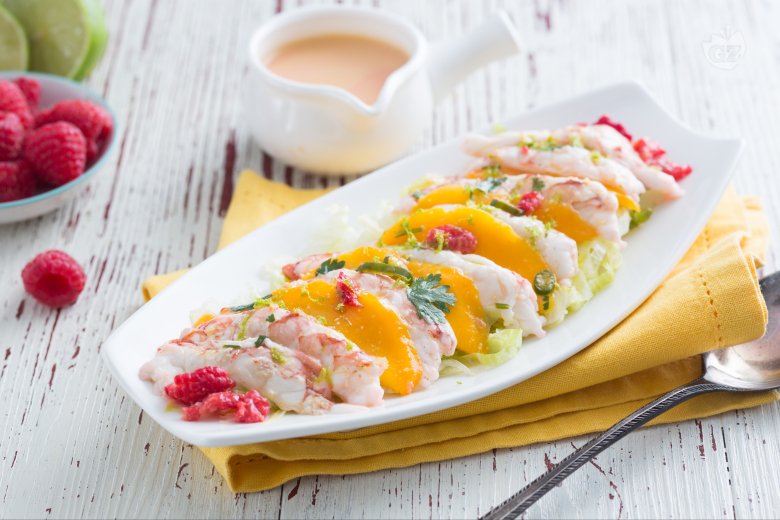
Shrimp ceviche is a refreshing dish that hails from the bright culinary tradition of Peru. This shrimp ceviche recipe brings together a lively mix of flavors, with zesty lime juice marinating the shrimp to make them tender and flavorful without any cooking. Really really delicious. What makes this dish pop is the great combination of sweet mango and a little heat from fresh chili peppers. The juicy shrimp, crisp cilantro, and a hint of grated ginger create a tangy and unexpected taste—perfect for warm weather. Peruvians love enjoying ceviche when it’s hot, and look, this seafood appetizer is perfect for any summer gathering. Seriously, the addition of mango and raspberry isn’t just for show—they bring an exotic twist that pairs beautifully with the moist shrimp, blending traditional flavors with a modern flair.
In Peru, ceviche comes in many varieties. For sure, some folks opt for local fish like sea bass or amberjack, but this shrimp ceviche version feels lighter. Can't go wrong. It's a fantastic easy shrimp ceviche starter. The classic technique? Letting the shrimp bathe in lime juice until they turn that ideal golden pink, absorbing all those juicy citrus notes. Adding mango and raspberries not only enhances the color but also infuses a sweet and refreshing flavor, making it a standout dish on any table. And you know what, while Mexico has its own unique takes, the Peruvian style is known for its bold citrus marinade and the bright blend of fruit and spice.
Whether you serve it as a shrimp ceviche salad or with some crunchy chips, it’s a dish that feels like a mini-vacation. This shrimp ceviche appetizer is always a hit—no question—thanks to its fresh flavors and the great mix of textures. It offers everyone a taste of something special without any fuss—just a bowl of goodness that feels light, bright and a touch adventurous. Perfect for sharing, this dish is a celebration of summer in every bite.
You might also like:

To prepare the shrimp ceviche, first clean the prawns: remove the head and shell 1, then slit the back and remove the intestine 2. Finally, cut the cleaned prawns in half lengthwise with a sharp knife 3. Set aside for now.

Peel the mango 4 and slice into 8 rather thin slices 5, dividing the larger slices in half 6. Set aside and proceed with the dressing.

Pour the lime juice into a tall, narrow container 7, then add the fresh ginger in chunks 8, the oil 9, and salt.

Blend with an immersion blender 10 until you obtain a smooth consistency 11, then add the cilantro 12,

the chili pepper cut into rings 13 and the fresh raspberries 14. Mix gently to combine everything 15.

At this point, take a baking dish and arrange the shrimp inside alternating with the mango slices 16. Pour the obtained dressing over 17, cover with plastic wrap 18 and leave to marinate in the refrigerator for about an hour. If you prefer, you can extend the marinating time up to 8-10 hours.

After this time, remove the shrimp and mango from the marinating liquid 19 and place them on a bed of lettuce, then season with some of the dressing and garnish with grated lime zest 20. Your shrimp ceviche is ready to be enjoyed 21!