

Savory scones with peas and bacon
Pancetta, peas and thyme baked into the dough, cream cheese and prosciutto cotto inside. The savory scone recipe that works as a snack or…
- Easy
- 1 h 15 min
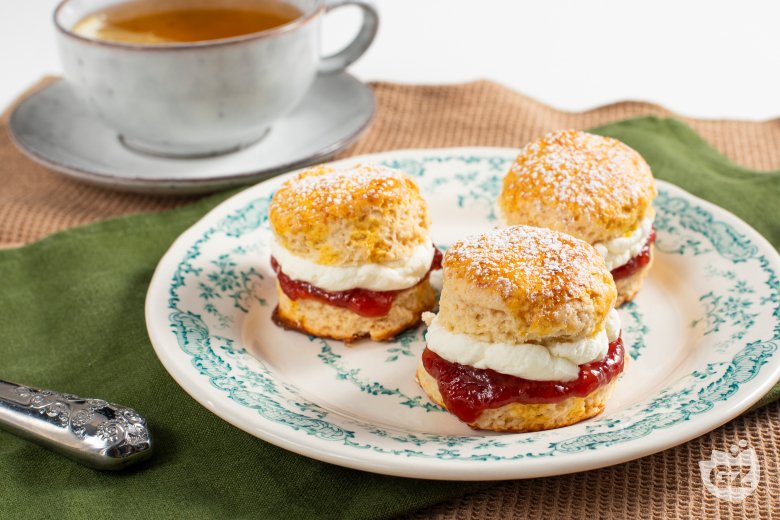
Scones hold a special place in the heart of British ‘afternoon tea,’ where folks gather to chat, sip strong tea, and enjoy a plate of golden, slightly crisp bread rolls. Really good stuff. What makes the scone recipe so inviting is how it serves as a blank canvas for both sweet and savory flavors. Typically round and a bit uneven, they offer that handmade look everyone loves. And the sauce? In classic British tradition, these homemade scones are split open and topped with strawberry jam and thick clotted cream.
Since clotted cream can be tricky to find outside the UK, swapping it with a blend of panna and mascarpone works wonders, giving you the same moist richness and color contrast. You still get all the smooth, tender comfort, plus a nice balance between the tangy cream and fruity jam. So so good. Whether you’re going for a traditional scone recipe or a quick weekend treat, this version fits right in and keeps that authentic British charm. And you know what, these days, people have fun with scone variations, mixing in ingredients like raisins, cheese, or even herbs for a twist that works at brunch or as a snack.
Some prefer the easy scone recipe with just a few basic ingredients, while others get creative, adding orange zest or bits of bacon. No question, no matter how you make them, a plate of fresh, golden scones can make any gathering feel a bit more special. Plus, the best part is, even the simplest batch brings out that cozy, tender crumb and crispy edge people look for in the best scone recipe. Folks in the UK might debate whether to put the cream or jam on first, but either way, the combo is just perfect. Here's the deal, this is the kind of food that invites everyone to slow down, pile on their favorite toppings, and enjoy a tradition with a personal spin.
So, whether you’re sticking to scone ingredients or testing out new flavors, baking scones is all about enjoying good company and really tasty bites.
You might also like:
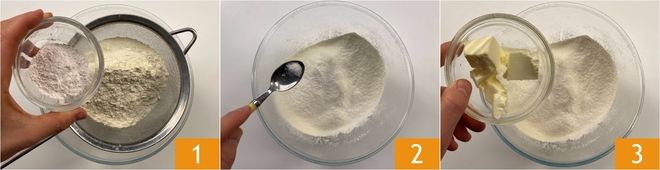
To prepare the scones, first sift the flour and baking powder into a large bowl 1, then add the salt 2 and the cold cubed butter 3.
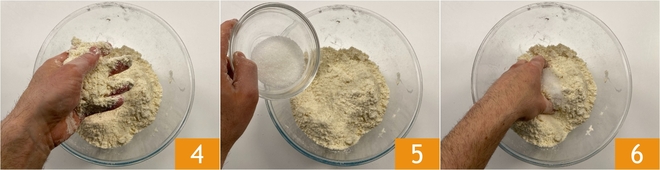
Work with your fingertips until you get a crumbly mixture 4, then add the sugar 5 and incorporate it briefly 6.
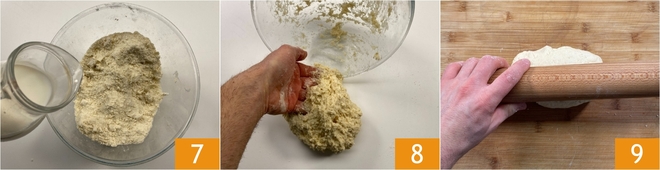
Lastly, pour in the milk 7 and mix quickly; the mixture will be soft and sticky. Transfer to the work surface 8 and continue kneading until you get a homogeneous consistency. Roll out the dough with a rolling pin 9.
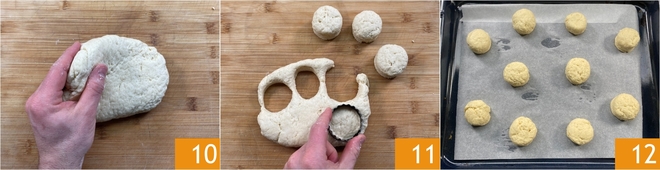
When you have achieved a thickness of 3/4 inch 10, cut out the dough with a pastry cutter with a diameter of 2 inches 11. Knead the scraps again and cut out more discs; you will get about 10 in total. Roll the discs between your palms to make the shape rounder, then place them on a baking sheet lined with parchment paper, keeping them spaced apart 12.
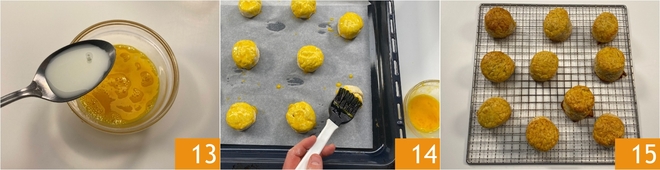
At this point, mix the egg yolk with the milk 13 and brush the surface of the scones 14. Bake in a preheated static oven at 356°F for about 20 minutes. When they are golden, remove from the oven and transfer to a wire rack to cool 15.
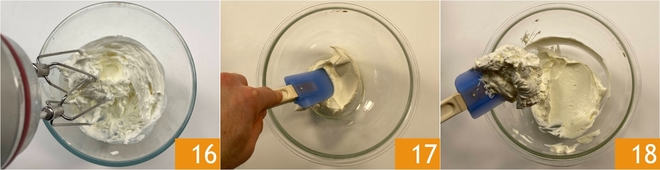
In the meantime, prepare the filling: whip the cream with an electric mixer 16, then work the mascarpone with a spatula in a separate bowl 17. Add the mascarpone to the whipped cream 18.
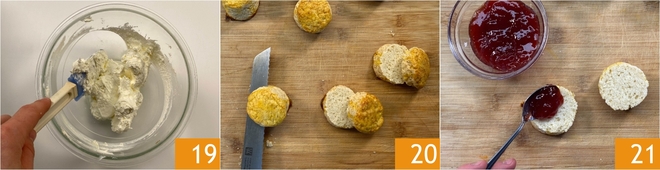
Mix to incorporate until you get a smooth cream 19. When the scones have cooled, cut them in half 20 and fill the base with strawberry jam 21.
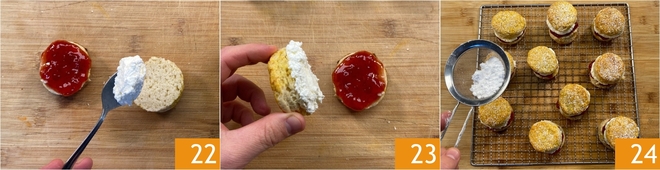
Spread the top part with the mascarpone and cream mixture 22, then close them 23. Proceed in this way to fill all the scones, then dust with powdered sugar 34 and serve!