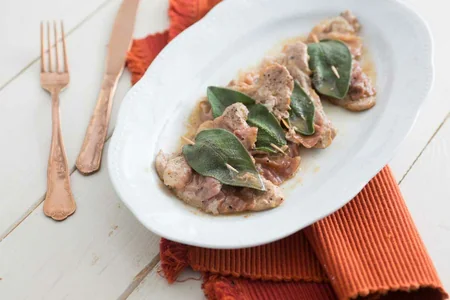
Saltimbocca alla Romana (Roman-style veal cutlets)
Discover the original recipe for Saltimbocca alla Romana: tender slices of veal with prosciutto and sage, ready in 20 minutes.
- Easy
- 20 min
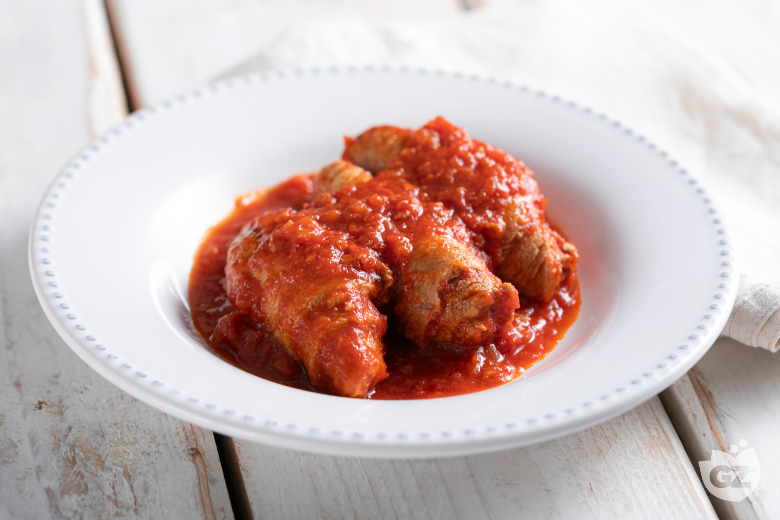
Roman-style involtini is one of those dishes from the stunning Lazio region of Italy that people just adore. It's like the go-to when you want something comforting and kinda special. Really good stuff. Imagine thin slices of veal or beef rolled with savory prosciutto, a strip of tender carrot, and a hint of celery. It's all wrapped up nice and snug. And here's the thing: the real magic happens when these rolls are slow-cooked in a thick, rich tomato sauce. They turn out super moist and bursting with flavor.
It's like the best of traditional Italian recipes—simple stuff, cooked slowly so it becomes tender and juicy. People in Rome are all about this method for that rustic taste. It's hard not to love how everything just soaks up those tomato and herb flavors. The slow simmer really sets this Roman-style involtini apart, making the meat so soft you can almost skip the knife.
Serving these Italian beef roll-ups is almost as fun as eating them. The sauce gets so thick and fragrant that everyone wants a piece of toasted country bread on the side. Seriously good. Italians even have a word for this tasty habit—"fare la scarpetta"—and it’s a must-do with a dish like this. These stuffed meat rolls are perfect for a big Sunday lunch or when you want a taste of Lazio without too much hassle.
The combo of salty prosciutto, sweet carrot, and that slow-cooked tomato sauce means every bite is really hearty. Compared to other beef involtini recipes, the Roman version sticks to simple, rustic vibes, focusing on comfort and real flavor. Across the region, folks know that a plate of homemade involtini with some bread makes for a meal that’s filling and full of old-school charm. It’s a dish that brings people together, pretty much any day of the week, leaving everyone wanting just one more bite. For real.
You might also like:
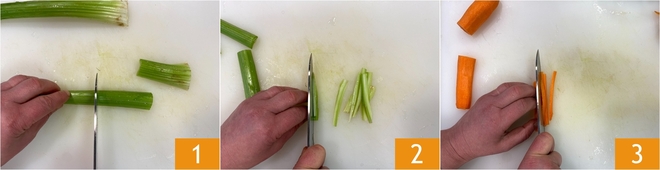
To prepare the Roman-style veal rolls, first cut the celery: chop it into pieces 1 and then into thin strips 2. Move on to the carrot: after peeling it, cut it into thin sticks 3.
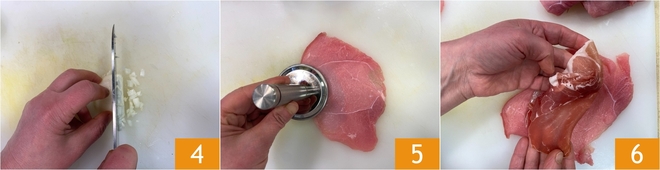
Peel the onion and finely chop it with a knife 4. At this point take care of the meat: lay the slices of veal top round on a cutting board and, if necessary, gently pound them with a meat mallet to make them thinner and more even 5. On each slice place a slice of prosciutto crudo 6.
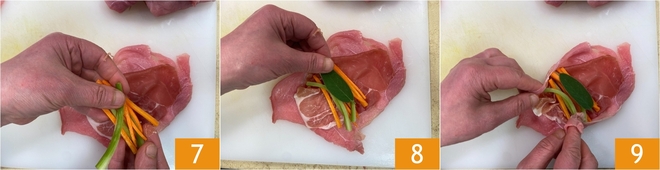
Place a few carrot and celery sticks in the center 7 and finish with a sage leaf 8. Fold the meat closed by turning the edges inward 9.
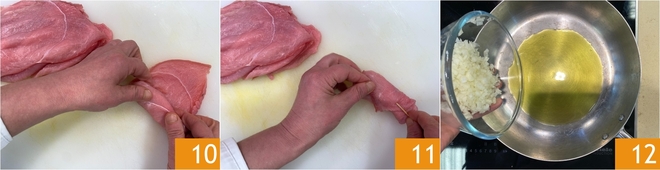
Roll up the slice, sealing the filling inside to form tight rolls 10. Secure them with a toothpick so they keep their shape during cooking 11. Heat the oil in a saucepan, then add the chopped onion 12 and let it sauté over medium-low heat for about 7-8 minutes until it becomes soft and translucent.
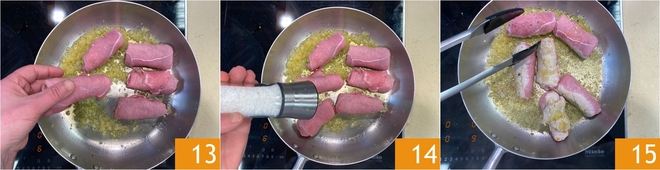
At this point place the rolls in the saucepan 13, season with pepper and salt 14, then brown them for a few minutes, turning them with tongs so they brown evenly on all sides 15.
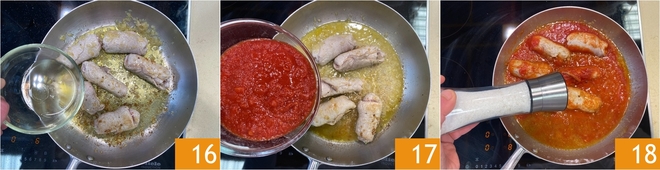
When they are well browned, deglaze with white wine 16 and let the alcohol evaporate completely. Then add the tomato pulp 17, stir gently to distribute the sauce and adjust the salt 18.
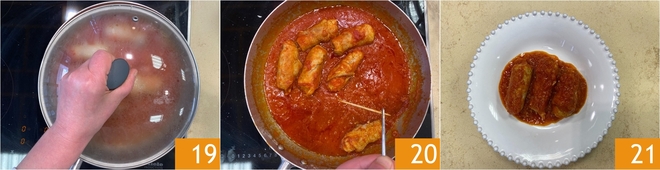
Cover with the lid 19 and simmer gently for about 20 minutes, remembering to turn the meat halfway through cooking. At the end of cooking, remove the toothpicks 20 and serve the Roman-style veal rolls hot in their tomato sauce 21.