


Roman maritozzi recipe
Roman maritozzi are a recipe by chef Fabrizio Fiorani, inspired by the classic Roman version and are rich in cream, raisins, and pine nuts!
- Difficult
- 1 h 20 min
- Kcal 176
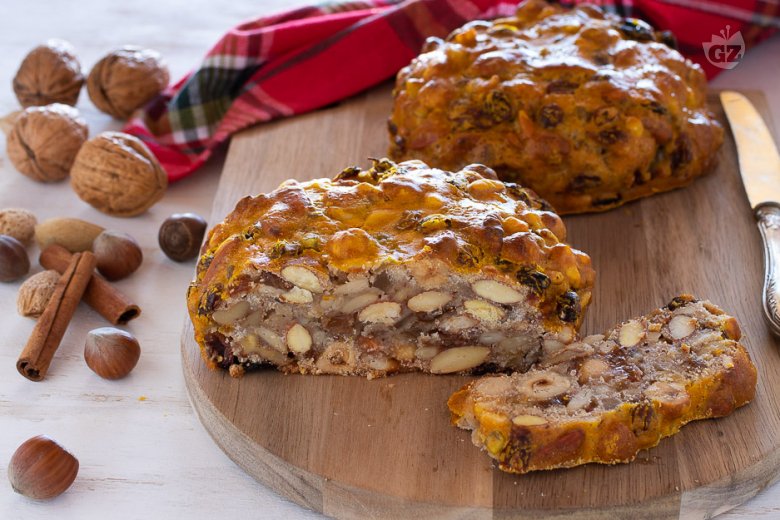
When you think of a traditional Italian Christmas cake, Roman pangiallo definitely stands out. I mean, really stands out. It’s this sweet treat from Lazio—steeped in history—that goes way, way back to ancient Roman winter solstice festivals. So here's the thing: its bright, golden hue comes from saffron mixed right into the dough. Gives it this cool, distinctive color. It is round and rustic, and honestly, when you cut into it, you're met with this tasty mix of moist dried fruits, toasted nuts, and little bites of candied peel—super tasty, really.
For centuries, folks in Rome have been making it with classic pangiallo ingredients like honey, raisins, and different nuts. And you know what? Originally, they’d give it as a good luck charm for the sun's return. Now, it's a beloved staple on tables across Lazio during Christmas and winter holidays. Every bite of this Roman pangiallo recipe carries a bit of old-school Roman pride. The sweet richness of honey blends perfectly with the slightly tangy candied orange and chewy raisins. Seriously good.
This Italian holiday dessert has stood the test of time. Why? Its rich texture and flavor, along with deep meaning for families in the region. And look, while some add different nuts based on what's available, the core remains unchanged—tender inside, a bit of crunch from the nuts, all topped with a saffron glaze. Compared to other festive Italian sweets, pangiallo has this earthy, honest character that makes it really, really special. It's a dessert that feels both ancient and unique, giving you a taste of Roman history with every slice.
People in Lazio take great pride in keeping this tradition alive, making pangiallo Romano a true symbol of festive Italian baking. Whether you're enjoying it with family or sharing it as a gift—so, so heartwarming—this cake brings the spirit and warmth of Italian holiday celebrations. Pretty much. It's cherished in Roman cuisine for sure.
You might also like:

To make the Roman pangiallo, first, soak the sultanas in 1.3 cups of warm water for 30 minutes 1, then squeeze out the excess water. Dissolve 0.35 oz of fresh yeast in 3 tbsp of warm water 2, stirring with a teaspoon 3.

Form a well with the flour and add the sugar 4 and ground cinnamon, pour in the yeast dissolved in water 5, and start kneading to gather the ingredients. Incorporate the olive oil as well 6.

In a bowl, pour the nuts (pine nuts, almonds, hazelnuts, and walnuts), candied citron 7, candied orange 8, egg whites 9, and mix with a spoon.

Add the fruit to the dough 10, also incorporate the well-squeezed raisins 11, and knead by hand 12.

Moisten your hands with water and form two loaves 13. Lay them on a baking sheet lined with parchment paper 14, cover them with cling film, and let them rest for 12 hours in a turned-off and closed oven. After the resting time, prepare a batter with flour, oil 15,

saffron, and water 16, mix with a spoon 17, and brush the loaves with the obtained batter 18.

They should be well-glazed all over their surface 19. Bake in a static oven preheated to 340 °F for 45 minutes. Once cooked, remove the pangiallo 20 and let it cool slightly before enjoying it 21.