
Ogliastra Culurgionis
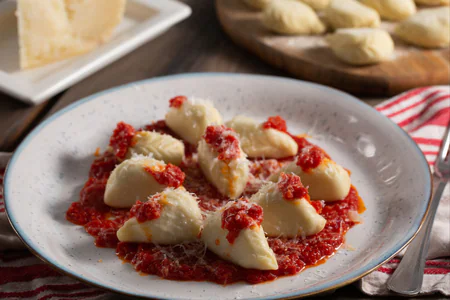
Ogliastra culurgionis are a Sardinian first course: stuffed with potatoes, cheese, and mint, seasoned with simple tomato sauce! Find out how…
- Average
- 1 h 10 min
- Kcal 356
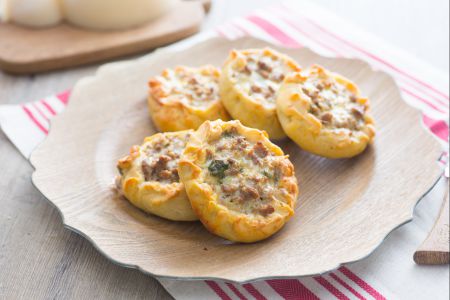
‘Nfigghiulate is that kind of Sicilian stuffed bread that, honestly, just makes you think of festivals and big family gatherings in eastern Sicily. You know, these little pastries come from places like Sortino, right in the provinces of Ragusa and Siracusa—where, to be honest, local food traditions run super deep. And every celebration? It's special.
So here's the thing: what sets a 'nfigghiulata recipe apart is the filling. It's got mentuccia, this wild aromatic herb found all over Sicily. Mix that with sausage and caciocavallo cheese, and you've got a blend of tender bread, moist cheese, and that herbal kick only mentuccia gives. It's really really unique. Folks in Sicily don’t just whip these up for any old day—nope, they save them for festivals or to honor traditions passed down for ages. Seriously, when you smell freshly baked traditional Sicilian bread coming out of the oven, it means a real party is about to kick off.
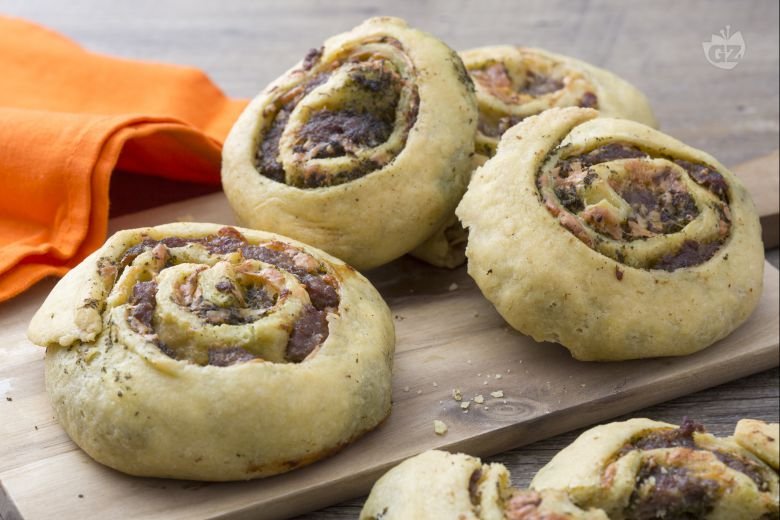
Plus, in Ragusa or Siracusa, people love a good debate over whose ‘nfigghiulate are more crispy or golden outside, or who nails the best sweet or tangy sausage filling. It’s not only about the food; it's about bragging rights and those old-school recipes that families have kept forever. The Sicilian savory pastry is usually rolled up and shaped into spirals or logs, so every bite—every single one—has that perfect mix of filling and bread.
Thing is, each family adds their own twist. Some pile on more cheese, others more mentuccia—depends on what’s growing wild or what the season brings, you know? This really showcases Sicilian baking where the focus is totally on local ingredients and hanging out together. Whether you’re prepping for a holiday or making sure the kids get a taste of true Sicilian cuisine, you’ll feel like you've got a genuine piece of Sicily in your kitchen with every bite. And it's easy to see why these pastries are such a big deal at every eastern Sicilian festival.
You might also like:
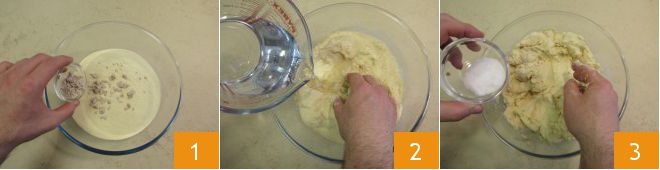
To make the ‘nfigghiulate, first, prepare the dough: put the semolina in a bowl and crumble in the yeast 1, then gradually pour in the water while kneading with the other hand 2. After incorporating the water, add the salt 3.
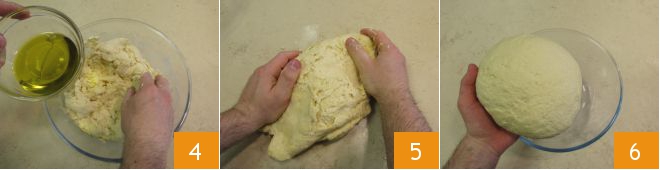
Finally, add the oil gradually 4 and continue kneading until the mixture is smooth 5. Transfer the dough to a bowl 6, cover with plastic wrap, and let it rise for at least 3 hours at a temperature of 78°F-82°F.
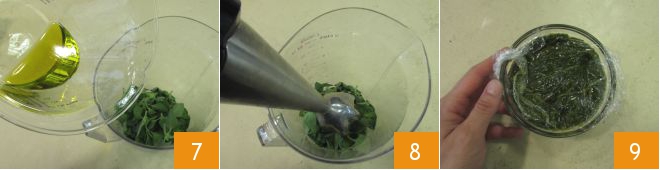
In the meantime, wash and dry the calamint, put it in a tall, narrow container, and add the oil 7. Blend with an immersion blender 8 until you get a creamy consistency. Cover the obtained pesto with plastic wrap in contact 9 and store it in the refrigerator until it's time to use it.

Finally, grate the caciocavallo with a large-holed grater 10 and crumble the sausage in a bowl, removing the casing 11. After the rising time, the dough will have increased in volume 12.

Roll out the dough with a rolling pin to a thickness of about 1/25 inch 13, then grease the sheet with a knob of lard 14. Spread the calamint pesto over the entire surface and sprinkle with grated caciocavallo 15.

Add the crumbled sausage too 16 and roll up the dough sheet 17, then cut the roll obtained into slices about 2 3/8 inches thick 18.

Place the slices on a baking sheet lined with parchment paper and press them with the palm of your hand 19. Bake in a preheated static oven at 356°F for about 40 minutes 20. Once baked, let them cool slightly and then enjoy your ‘nfigghiulate 21!