

Marinated croaker
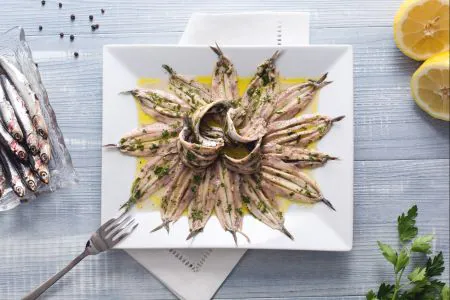
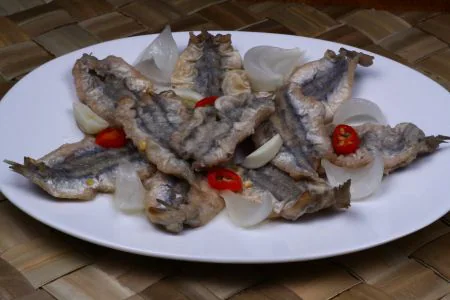
The marinated croaker, scented with citrus, is a fresh and refined fish appetizer, perfect for celebrations. Find out here how to prepare the recipe!
- Difficult
- 40 min
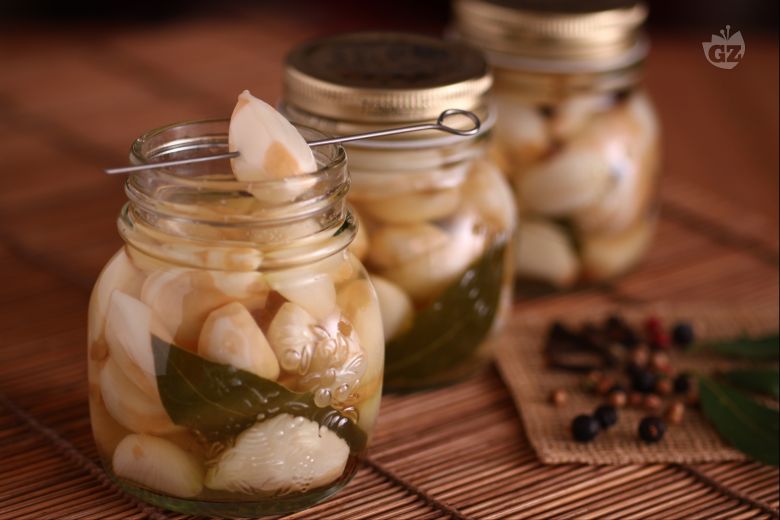
Marinated garlic, or aglio marinato, is something you'll find all over Italy. It's perfect when you want that tasty garlic flavor without the punch of raw garlic. Seriously good stuff. In Italian kitchens, marinated garlic is everywhere—snack, appetizer, or key ingredient—offering all the benefits of garlic minus the harshness.
The secret? Soaking garlic cloves in a garlic marinade recipe that usually mixes oil, vinegar, herbs like oregano, and a little chili for some heat. Leaves the cloves tender, with a delicate, almost almond-like taste. Really, it's way way different from raw garlic's sharpness. Some regions get fancy, adding capers or chopped herbs, which really infuses every bite with a burst of Italian flavor—pretty much makes it extra special. And look, this doesn’t just taste good; it also makes garlic easier on the stomach, which is great if you love the flavor but hate the aftereffects.
And here's the thing, many Italians use garlic preservation methods like this to savor flavors year-round. A jar of pickled garlic in oil or vinegar means you can add moist, savory notes to salads, grilled veggies, or even just bread. Pretty simple, really. It’s a classic in antipasto spreads, sitting right next to olives and cheeses, offering a soft, mellow zing. So so different from raw garlic. This tasty treat has fans outside Italy too. Why? Because homemade garlic recipes like this are not just delicious—they’re super super practical.
You get a versatile condiment that enhances sauces, tops pizzas, or is just enjoyed solo. Plus, since marinated garlic isn’t as strong as fresh, it blends easily into dishes where regular garlic might be way too overpowering. For those into both flavor and the well-known garlic health benefits, this simple Italian favorite covers all the bases. I gotta say, it is an easy way to enjoy garlic without any fuss.
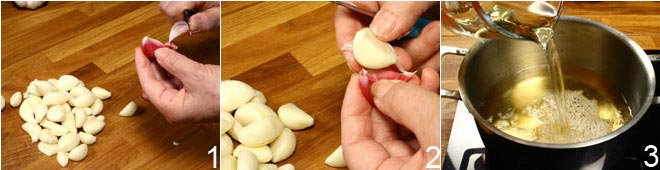
To prepare marinated garlic, first start by sanitizing the jars and lids as indicated in the Ministry of Health guidelines found at the end of the recipe. Once this important task is completed, take the heads of garlic, separate the cloves 1, and peel them 2. Then take a large pot and pour in the vinegar and white wine 3.

Also add the pepper, bay leaves, juniper berries, and cloves 4, and finally the salt and sugar 5. Turn on the heat and bring everything to a boil. Once the ingredients reach boiling, add the garlic cloves 6, letting them boil for 1 minute. At this point, you can proceed with bottling: fill the jars you have previously sanitized with the garlic cloves and pour the hot vinegar and wine mixture over them, stopping 0.5 inches from the rim, ensuring to evenly distribute the spices among the jars. If using jars with screw-on lids, tighten them well but not too much. Now, proceed with boiling the jars, or pasteurization, following the instructions in the Ministry of Health guidelines mentioned at the end of the recipe. If using jars with screw-on lids, once the jars have cooled, check if the vacuum has been properly achieved: press in the center of the lid, and if you don't hear the typical "click-clack," the vacuum has been achieved. If after reboiling you notice small air bubbles forming while the jar is still hot, tap it gently on a surface to bring the bubbles to the top, and they will naturally disappear. If using jars with rubber seal closures, when consuming the marinated garlic, test the vacuum by pulling the appropriate tab: if pulling it produces a sharp noise, it means the contents have been stored with a proper vacuum. Conversely, if pulling the tab the seal feels "soft," it means the vacuum was not properly created, and it's best not to eat the contents. Your marinated garlic is ready to enjoy!