

Mackerel en Papillote
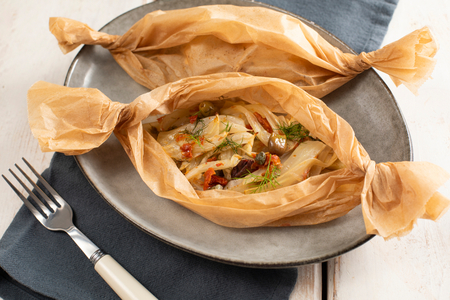
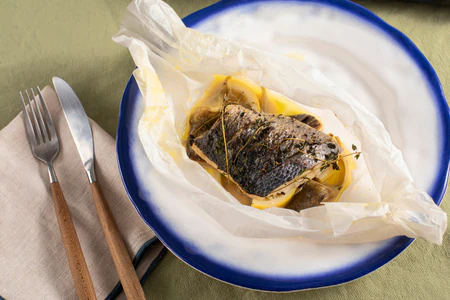
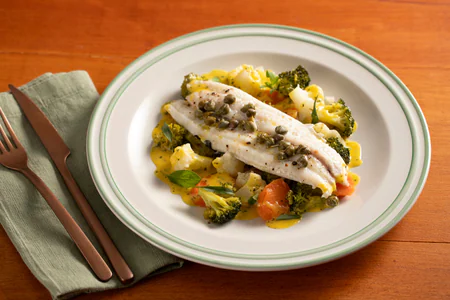
Mackerel en papillote is a genuine and fragrant fish main course, made with many tasty summer and spring vegetables.
- Easy
- 40 min
- Kcal 285
Cooking en papillote is like this awesome Italian trick that makes dinner feel special and super easy. Really easy. The idea? Just wrap up your food—like fish or chicken—in parchment paper or maybe fig leaves, and bake it. So here's the thing: it is called "cottura al cartoccio" in Italy, and it mixes steaming and baking. Makes everything tender and really really flavorful.
Italians love to get creative with packet shapes. You’ve got your "pacchetto regalo" (gift package) or "fagottino" (little bundle)—pretty fun, right? Depending on where you are, they might use aluminum foil or even silicone. Whatever's handy. This technique? It locks in all those juicy flavors. Even simple stuff, like vegetables or fish, turns out impressive. Seriously good.
And listen, if you're after a quick, healthy meal, cooking en papillote is the way to go. Perfect for busy weeknights because you just wrap it up, toss it in the oven, and boom—done before you know it. This method is great for lighter meals—Italians say it keeps nutrients intact. Plus, you do not need much oil or butter. You'll find en papillote recipes for everything from fish and seafood to chicken and veggies. For real.
Fish en papillote is a favorite in Italy, especially down south with all that fresh seafood. It's a fresh twist on heavier fried stuff, and it’s like eating at a seaside trattoria. Really. The delicate texture and aromatic steam that greets you? It's a treat. No question. No wonder people keep going back to this en papillote method—it's easy, tasty, and feels fancy, even on a regular night. Cannot go wrong with that.
You might also like:
.jpg)
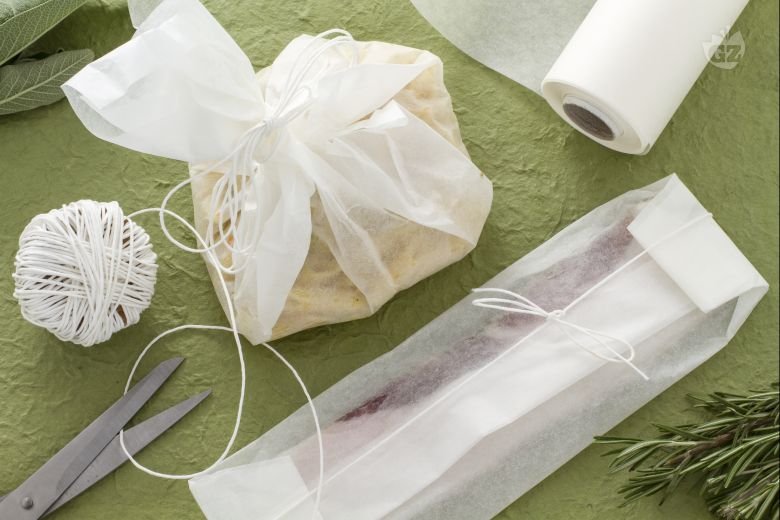
GIFT PACKAGE PAPILLOTE The "gift package" papillote is the easiest to make and can be used to cook whole fish, such as a sea bream or a sea bass. To make this type of papillote, cut a rectangle of parchment paper that is longer and wider than the fish you are preparing, then place the sea bream in the center of the sheet 1 and fold the long sides of the parchment paper over the food 2 and overlap them 3,
.jpg)
then seal everything by folding the short sides inward, as if you were closing a gift package 4. Secure the package by tying the longer part with tightly tied kitchen string 5 and finish with a bow 6 so the papillote will be perfectly sealed!

BUNDLE PAPILLOTE The "bundle" papillote is recommended for cooking fish steaks or fillets, or small food items (such as pasta or vegetables). To make it, cut a circle or square of parchment paper that is larger than the dish you are preparing: we chose to use pasta. Place the pasta, previously cooked al dente and dressed, in the center of the sheet 1; lift the edges of the sheet upwards and gather them in your hand as shown in the photo 2, then close and seal the bundle papillote by tying it with kitchen string and making a tight knot 3.

SQUARE PAPILLOTE The "square" papillote is very simple to make, does not require string for closure, and is very nice to bring to the table; it is particularly suitable for cooking bulky foods. To make it, cut two squares of parchment paper that are wider than the dish you need to cook; we chose to use a sea bream. Place the fish in the center of the first sheet, overlap the second 1 and seal the square by folding the edges together toward the inside for all 4 sides 2. Finally, fold each side several times so that the papillote is well sealed 3.