

Zucchini cordon bleu
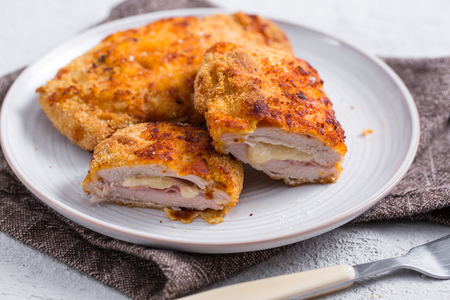
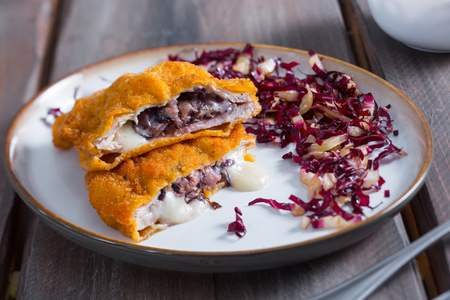
The zucchini cordon bleu are an appetizing variant of the classic meat medallions, which contain a tasty and stringy filling!
- Easy
- 35 min
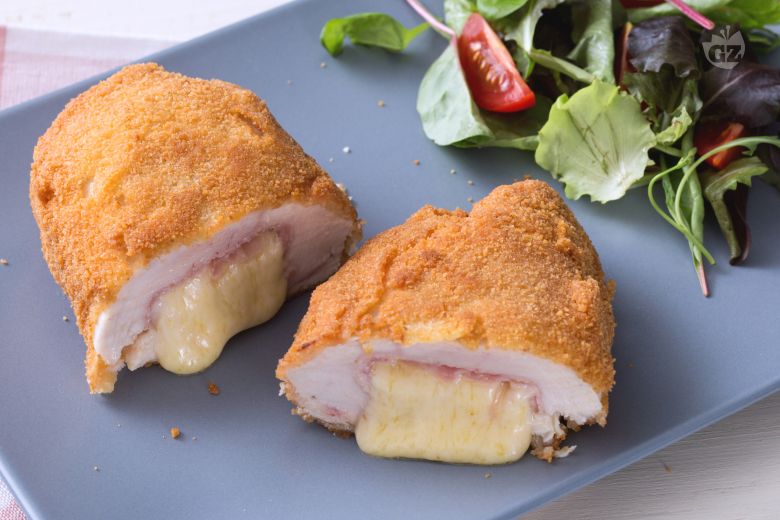
Cordon Bleu is built on a combination that's hard to argue with: two layers of tender meat wrapped around a double-flavored filling that melts and stretches the moment you cut in, all sealed inside a crispy, golden crust. Where it came from, nobody can quite agree — the origins are genuinely mysterious, which may explain how freely it has traveled across borders and how comfortably it landed in everyday home cooking around the world, including in Italy, where it has become a reliable fixture on the dinner table.
Adults and children tend to reach for it equally, pulled in by that contrast between the crunchy exterior and the molten, savory center. It's the kind of main course that satisfies without demanding much explanation, and the appeal turns out to be just as strong when the meat gives way to vegetables. Five variations follow here — zucchini, eggplant, squash, polenta, and fennel — each one carrying the same logic of crispy outside, melting filling within. Try them all and decide which version earns a permanent place in your rotation.
You might also like:
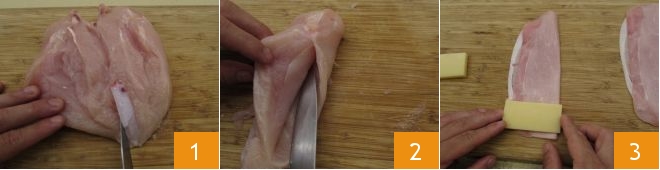
To make the cordon bleu, cut the whole chicken breast in half 1 and trim away any fatty parts. Take one half of the chicken breast and make a side incision to form a pocket 2, trying to leave three of the four sides attached; if you cannot manage that, leave at least the longest side intact. Place a slice of ham and top it with a piece of Gruyère 3
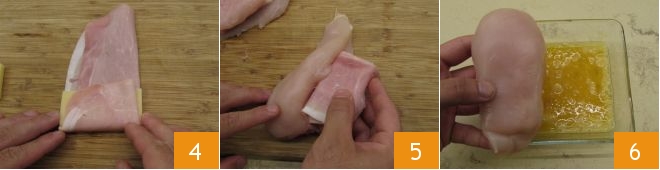
and roll the cooked ham to wrap the cheese 4, fill the pocket with the stuffing 5 and fold the meat over itself. Proceed in the same way with the other chicken slice. Then prepare two bowls: one with breadcrumbs and the other with eggs beaten with salt. Dip the 2 cordon bleus in the egg on both sides 6, making sure the chicken slices are completely coated with egg;
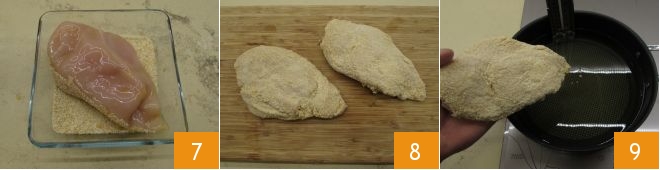
then coat them in breadcrumbs 7, pressing so they adhere well and evenly over the entire surface 8. While breading, you must keep the edges of the meat tightly closed so they seal perfectly and nothing leaks out during frying; if you want, you can help seal the meat with toothpicks. The cordon bleus are ready for frying: heat vegetable oil in a pan and as soon as it reaches 329°F-338°F (we recommend using a food thermometer to monitor the oil temperature), immerse one cordon bleu at a time and cook for about 4-5 minutes per side or until nicely golden.
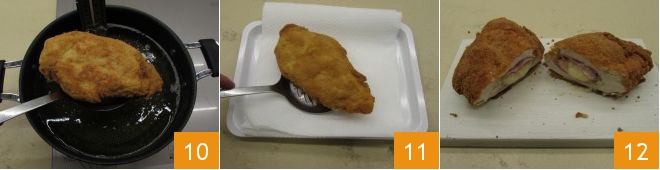
Drain the cordon bleu 10 and place it on a tray lined with paper towels to blot excess oil 11. Serve your cordon bleus piping hot and gooey! 12.