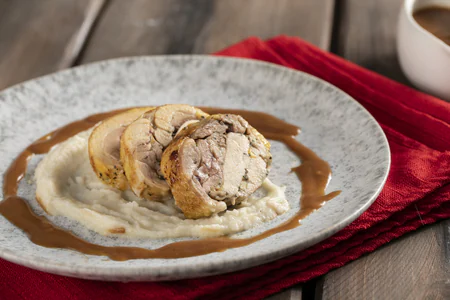

Ravioli with capon broth
Ravioli with capon broth are an essential first course on Christmas or New Year's tables
- Difficult
- 4 h 35 min
- Kcal 347
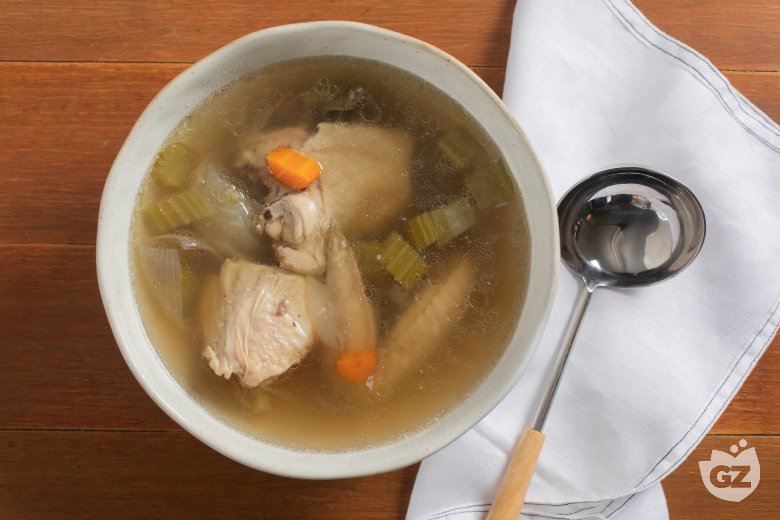
When the weather turns chilly in Northern Italy, kitchens in regions like Emilia-Romagna, come alive with the comforting aroma of capon broth. Seriously good. This traditional staple is more than just a simple soup; it's a centerpiece in Italian culinary tradition. The capon broth recipe starts with a tender capon, simmered slowly alongside carrots, celery, and onion. Thing is, this slow cooking is key, as it allows the rich, deep flavors to develop, releasing an aroma that fills the kitchen with warmth and nostalgia.
Adding herbs and a touch of spice enhances these flavors, making the broth clear yet packed with a golden hue and deep taste. Homemade capon broth serves as the perfect base for many classic Italian dishes. It's especially popular in filled pasta dishes like tortellini in brodo, cappelletti or anolini, bringing the savory goodness of tradition to holiday tables. Even ravioli or a risotto can benefit from this traditional Italian broth, adding layers of flavor that make each bite memorable.
Stuffed capon dishes or capon rollè also gain a new dimension when paired with a splash of this moist, flavorful broth. But here's the thing: it is not only reserved for special occasions; a simple bowl of capon soup can transform an ordinary evening into a comforting experience. The broth captures the sweet, meaty notes of capon and vegetables, offering a taste that's both old-school and incredibly satisfying. It's the kind of festive broth recipe that binds together the core of Italian flavors, making every meal feel like a celebration. Whether it's for a family gathering or a quiet night in, capon broth really brings a piece of Italian tradition to the table, inviting everyone to savor its charm. Really really good.
You might also like:

To prepare the capon broth, first rinse the meat under cold running water 1 to remove any impurities. Then place it in a large pot with the water 2 and bring to a boil over high heat. Meanwhile, prepare the vegetables. Cut the celery into pieces 3.

Do the same for the carrots 4. Cut the onions in half 5 and remove the skin 6.

When the capon cooks, it releases foam, remove it gently with a ladle 7. Add the sage, rosemary 8, and bay leaves 9.

Add the juniper berries 10, cloves 11, and onions 12.

Continue with celery and carrots 13. Add a handful of coarse salt 14 and bring back to a boil. Once boiling, lower the heat to a minimum. During the first 20-30 minutes of cooking, more foam will form on the surface, remove it with the ladle 15. Partially cover the pot with a lid and cook for at least 4 hours. The longer it cooks, the tastier the broth will be. Remove any foam that forms over time and clean the edges of the pot with a brush. If it reduces too much, you can add more water.

Once cooked, you can serve the capon immediately with the broth 16; alternatively, you can strain the broth through a colander 17 or cheesecloth and use only the broth for your preparations 18 and enjoy the boiled capon as a second course.