


Pumpkin Brioche Bread
Pumpkin brioche bread: a soft bread enriched with raisins, perfect for breakfast, a snack, or a treat. Irresistibly soft and sweet!
- Average
- 1 h 35 min
- Kcal 338
Brioche bread is a classic French favorite that just adds a touch of elegance to any meal. Really. Whether it's a cozy breakfast or an afternoon snack, this brioche bread recipe turns ordinary moments into something special. And, you know, what makes brioche bread unique is its soft, moist texture and slightly sweet flavor, thanks to its rich, enriched dough. In France, it's often shaped into a loaf, known as bauletto, resulting in beautiful slices perfect for various uses. Some love it for making tender French toast or pain perdu, while others enjoy it simply with jam or Nutella.
The bread's delicate aroma fills the kitchen, creating a warm, inviting atmosphere even before it is out of the oven. Across Europe, pan brioche inspires a variety of sweet rolls, like wool roll bread with its swirled design or soft, golden buns that turn breakfast into a treat. Really, really delightful. The homemade brioche bread journey is rewarding and surprisingly straightforward, offering fantastic results right from your kitchen. With a few simple tips, even beginners can achieve a light, fluffy loaf that everyone will love. Which is great.
This easy brioche recipe is incredibly versatile—pair it with coffee in the morning, craft delicious sandwiches, or transform leftovers into something entirely new. To be honest, many say that French brioche bread is a step up from regular white bread, with its buttery taste and soft crumb. Whether you’re sticking with the loaf or experimenting with brioche buns, this bread brings a bit of French baking magic into your home. Each slice is a reminder of the easy joys of life, making every moment feel a little more special. So, go ahead and give this recipe a try, and watch how it becomes a favorite at your table, offering both warmth and nostalgia with every bite. Really, can't go wrong.
You might also like:

To prepare the brioche bread, first place all the ingredients in the freezer for 15 minutes, except for the butter, then start with the dough. Pour the bread flour and the sugar into the bowl of a stand mixer with a hook attachment 1, then crumble the yeast with your hands 2. In a separate bowl, place the eggs, honey 3, and vanilla extract.

Beat the eggs 4 and pour the mixture into the mixer 5, turn it on at low speed and add the milk gradually 6. Knead until the dough is smooth and elastic, which will take about 5-10 minutes. Occasionally detach the dough from the hook and flip it, so it will become elastic more easily.

Add the salt 7. Once it is well absorbed, add the butter one piece at a time, waiting for the first to be well incorporated before adding the next 8. Do not rush; this is a delicate and crucial step. Once you have obtained a homogeneous dough, which will require about 15 minutes of work, transfer the dough to a lightly buttered surface. Give it a few slap & fold reinforcements, then form a ball 9.

Transfer it to a lightly buttered bowl 10 and cover with plastic wrap. Let it rise for 2 hours at room temperature to double in volume 11, then place the dough in the refrigerator overnight (8-10 hours). After this time, flip the dough onto a surface, form a cylinder, and cut it into portions of 3.5 oz each 12.

You should get 6 pieces 13. Work one piece at a time on the surface, adding very little flour, otherwise, it will not create friction. First, you need to stretch them out to obtain a rectangle and then roll them on themselves; turn the small cylinder 90° and repeat the same operation 14. Do the same for all 6 pieces, trying to achieve a slightly oval, elongated shape 15.

Butter and flour two large molds of 6.5x3.5 inches, 3 inches high and place inside each one 3 portions of brioche bread, placing them side by side and spacing them about 0.4 inches apart 16. Cover with plastic wrap 17 and let rise for 2-3 hours until they have tripled in volume 18.

When there is about half an hour left until the end of the rising, beat together egg yolks and milk 19 and use them to brush the brioche bread 20. After 30 minutes, the egg will be completely dry; you can do a second brushing 21.

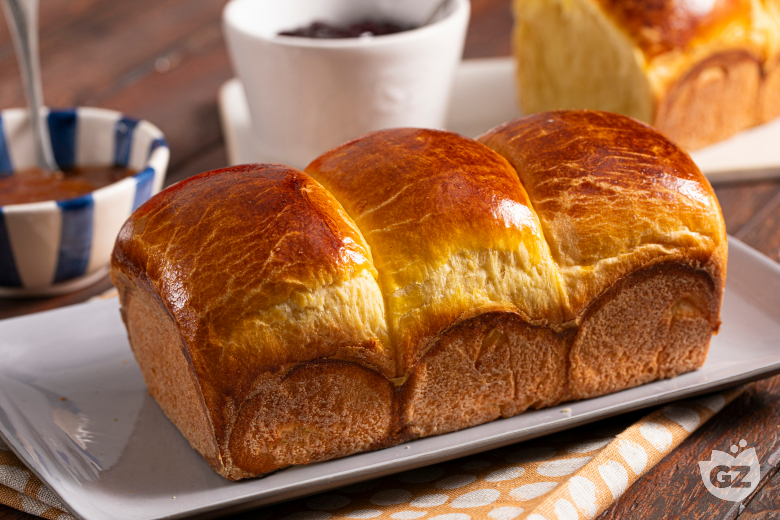
Bake in a preheated convection oven at 340°F for 15-18 minutes. When they are golden brown, remove them from the oven 22 and let them cool on a wire rack 23. Your brioche bread is ready to serve 34!