

Crushed Olives
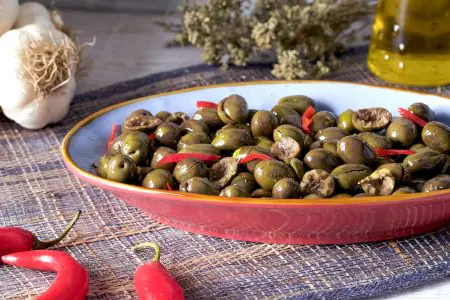
Crushed olives are a typical side dish from Southern Italy, tasty and appetizing, also to be enjoyed with slices of rustic bread.
- Easy
- 30 min
- Kcal 189
Bringing a taste of Southern Italy to your table, olives in brine are a tasty tradition cherished in regions like Sicily and Naples. And here's the thing, these olives aren't just a salty snack; they're a crucial part of Mediterranean dishes, really enhancing flavors in everything from Sicilian caponata to Neapolitan insalata di rinforzo. Plus, picking fresh, firm, and tender olives is key to getting that perfect preservation. The tangy brine does wonders, boosting their natural flavor—making them super versatile for antipasti or even fish and meat dishes. In Southern Italy, homemade brined olives are a staple, and to be honest, celebrated for their rich, slightly salty taste that becomes more crisp and savory over time. So good.
Thing is, in the heart of Southern Italy, brined olives recipes can totally vary, with each town adding its own twist. Some might toss in a bit of lemon or a hint of chili for an extra kick—super super tasty. These olives go amazingly well with cheese and bread, or you can chop them into salads and sprinkle over roasted meats and fish. Pretty much perfect. The brine gives a moist, savory punch, pulling out the olives' natural flavors and making each bite feel special. Also, the olive brine health benefits are often praised for naturally preserving freshness. Curing olives at home is a way to keep those traditional tastes alive, and there's something really satisfying about crafting such a rich and flavorful treat with your own hands. Whether enjoyed as a snack or tossed into your favorite Italian dishes, these olives add a genuine homemade touch every time. The process of making these olives in brine is simple yet rewarding, connecting you to the heart of Southern Italian culinary tradition. Honestly, can't go wrong.
You might also like:
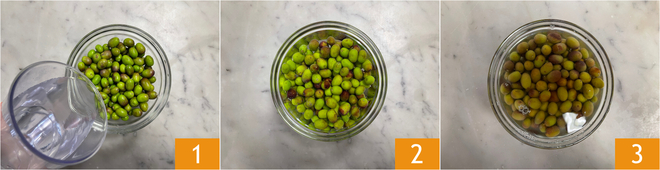
To prepare the brined olives, first select only the intact ones. Discard any olives that show even a slight bruise, as these could compromise the final result. Wash the olives under running water, and once they are thoroughly cleaned, place them in a large bowl and cover them completely with water 1. Place a weight on the olives to keep them submerged. Change the water daily for 20 days 2. After these days 3, you can proceed to prepare the brined olives.
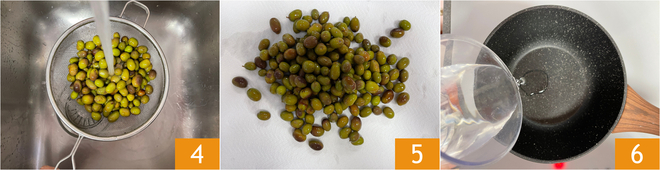
Drain the olives from the water, rinse them 4, and place them on a clean cotton cloth to dry 5. Prepare the brine by pouring water into a small pan 6.
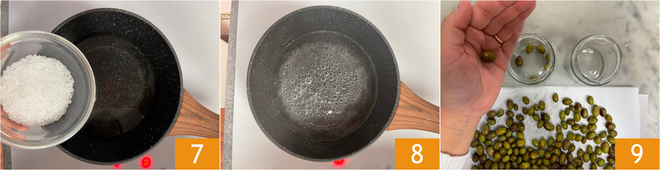
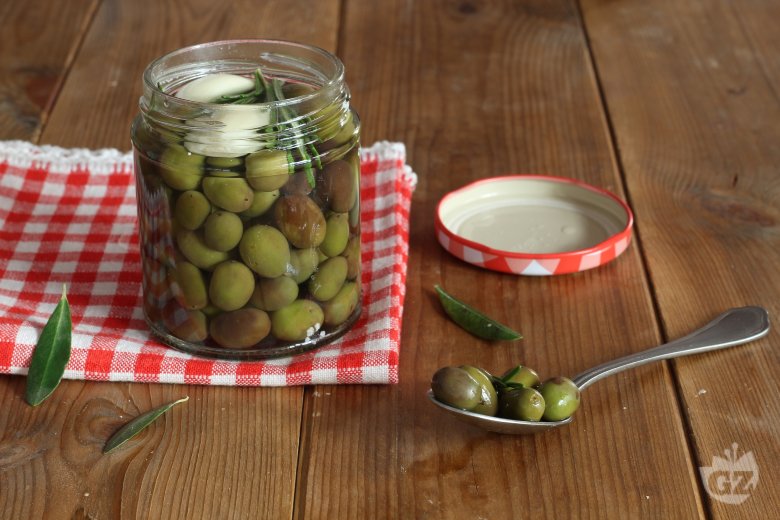
Add the salt 7 and bring to a boil 8. When the brine boils, turn off the heat and let it cool. Distribute the olives in sterilized glass jars 9 following the ministry guidelines found at the bottom of the recipe.
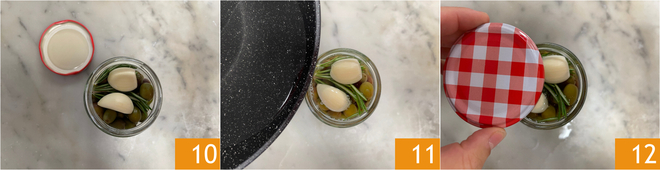
Season with garlic and rosemary 10 and, once the brine is cold, pour it over the olives 11. Close each jar with a lid 12 and store in a cool, dry place away from light. Let your brined olives marinate for at least a month before consuming.